
Lemon verbena essential oil is a scarce, costly citrus with a narrow set of real wholesale buyers. This guide covers how the market for it actually works, what to verify before a large order, and which trades buy it and why.
Compare pound-scale pricing on the bulk page or start with a sample size to test the oil first.
Lemon verbena essential oil is steam-distilled from the slender leaves of Aloysia citrodora, a South American shrub that French and Spanish gardeners have grown ornamentally for generations. The leaves give up very little oil relative to their weight, which is the root of both the price and the reputation covered in why the oil commands a premium over more common citrus notes. A buyer sourcing at volume is effectively bidding on a naturally scarce crop, not a manufactured commodity with elastic supply.
The plant itself, and the distillation choices that shape a given lot, are covered in more depth in a profile of the shrub behind the oil and in an explanation of why the yield runs so small. What reaches a formulator's bench is a top-to-middle note: sparkling, sweet, and lemony, smoother than lemon peel oil and carrying a soft herbal-floral undertone that reads as more refined than a straight citrus.
For buyers who want the fuller picture before committing to a drum-scale order, the complete guide to the oil and the quality guide for purchasing decisions both walk through sourcing considerations in more detail than a single page can.
| Sold as | What it actually is | How to recognize it |
|---|---|---|
| Genuine steam-distilled Aloysia citrodora oil | The true botanical, low-yield and priced accordingly | Matches a lot-specific Certificate of Analysis and, where available, a GC-MS report |
| "Verbena" or "verbena-type" fragrance oil | A synthetic or diluted reconstruction, not distilled from the plant at all | No Aloysia citrodora botanical name on the label; see the honest difference between the two |
| Litsea cubeba sold or blended in as lemon verbena | A cheaper, citral-heavy lemony distillate substituted for the real oil | Smells flat and one-note next to genuine oil; see the classic adulteration story |
| Lemongrass oil marketed as lemon verbena | A different, far less costly lemony oil entirely | Priced well below genuine verbena; see why lemongrass should never carry verbena pricing |
A related mix-up worth knowing before quoting a price is melissa oil, another costly lemon-scented oil that gets confused with lemon verbena for different reasons. The comparison between the two is worth reading before assuming a supplier's claim either way, and a rundown of verbena, vervain, and other mix-ups catches the naming confusion underneath most of these substitutions.
The sourcing trap for lemon verbena is not usually a fake bottle at the retail counter, it is a wholesale quote that looks too reasonable for the batch size requested. Genuine oil at drum quantities is expensive because the crop is expensive to distil; a supplier offering pallet pricing at retail-adjacent rates is very likely quoting litsea cubeba, lemongrass, or a fragrance reconstruction rather than the genuine botanical.
The wholesale buyers for this oil cluster around a handful of trades that value a refined, prestige citrus note and can absorb its price: independent perfumers and eau de cologne houses building fine fragrance rather than mass-market scent, candle and cold-process soap studios formulating a signature line rather than a single batch, and diffuser blend or home fragrance brands that want a citrus note with more polish than lemon peel oil. A guide to using and blending the oil and a rundown of the partner materials it pairs with both reflect how these trades actually build with it.
A second group buys for finished skin and bath goods rather than fragrance alone: bath and body brands and small cosmetic formulators scenting luxury-leaning lotions and soaks at gentle dilution, a use case the label itself calls for care around, see skin basics on dilution and patch testing. Specialty retailers and boutique resellers round out the buyer list, restocking a slower-moving but higher-margin shelf item rather than a commodity oil.
Before placing a bulk order, a buyer should be able to check the following on any lot.
Documentation is the cheapest due diligence available on an oil this easy to cut or substitute. A supplier that hesitates to produce a batch-specific COA and GC-MS report on request is not a supplier to place a drum-scale order with, regardless of price.
Lemon verbena essential oil is sold here across ten sizes, from a half-ounce sample bottle through 400 lbs, so a buyer can match order size to how a formula is actually being tested and scaled.
Full pricing across the pound-scale sizes lives on the bulk order page; the sample and retail sizes are priced on the shop page.
Order a small bottle, 0.5 oz to 2 oz, to confirm the aroma and performance in an actual formula before committing to a larger size.
Cross-check the batch against its Certificate of Analysis and, where a GC-MS report is available, confirm the profile matches genuine Aloysia citrodora rather than a substitute oil.
Request pricing at the pound-scale size the production run actually needs; the bulk page lists tiers from 5 lbs through 400 lbs.
Once a formula is locked, standing orders at a fixed size keep a batch consistent from one production run to the next; reach out directly to set up a recurring order.
The sections below cover the specific trades that buy this oil at volume, and what each should look for before placing a large order.
Independent perfumers and eau de cologne houses buying a refined citrus top note for fine fragrance, not mass-market scent.
Read the sourcing guide →Candle makers and cold-process soap studios formulating a signature citrus line around lemon verbena rather than a single seasonal batch.
Read the sourcing guide →Home fragrance brands and diffuser blend makers building a crisp, elegant citrus blend rather than a single-note product.
Read the sourcing guide →Bath and body brands and small cosmetic formulators scenting luxury-leaning lotions and soaks at gentle dilution.
Read the sourcing guide →Specialty retailers and boutique resellers restocking a slower-moving, higher-margin shelf item rather than a commodity oil.
Read the sourcing guide →Distributors and brokers who buy strictly against documentation, screening out substitute and adulterated lemony oils before they reach a formulator.
Read the sourcing guide →Every batch ships against a published Certificate of Analysis; reach out with questions on sourcing or sizing.
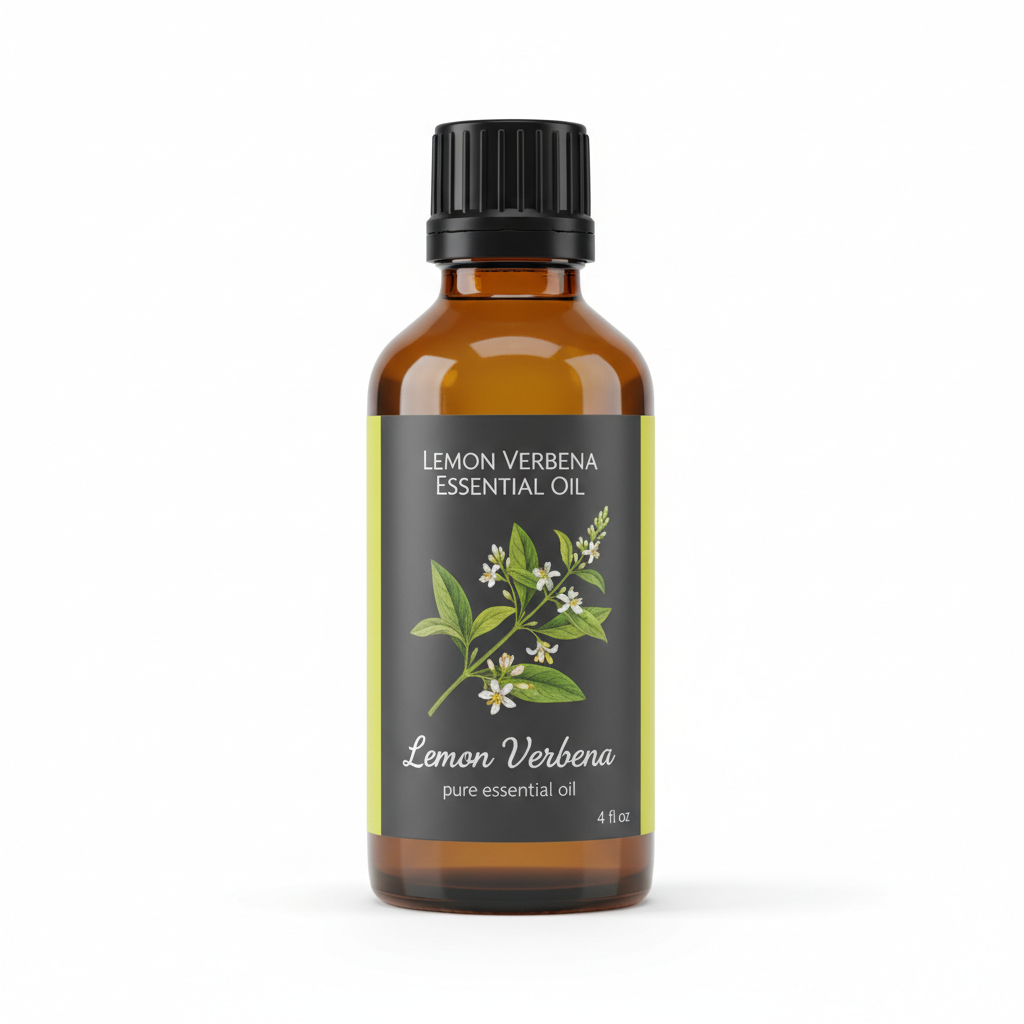
Our own Lemon Verbena Essential Oil, in sizes from 0.5 oz to bulk.
From $12.99
Shop Now →