Lemon Verbena Oil Skin Basics: Dilution, Patch Tests, and Sun Awareness
Lemon verbena essential oil earns its devoted following through a scent that is genuinely difficult to replicate: bright, green, almost fizzy with citrus character, yet anchored by an herbal warmth that synthetic lemon fragrances never quite achieve. If you have just acquired a bottle and you are eager to put it to work in your skincare or fragrance ritual, take a breath first. A few foundational steps stand between you and a confident, enjoyable experience with this oil.
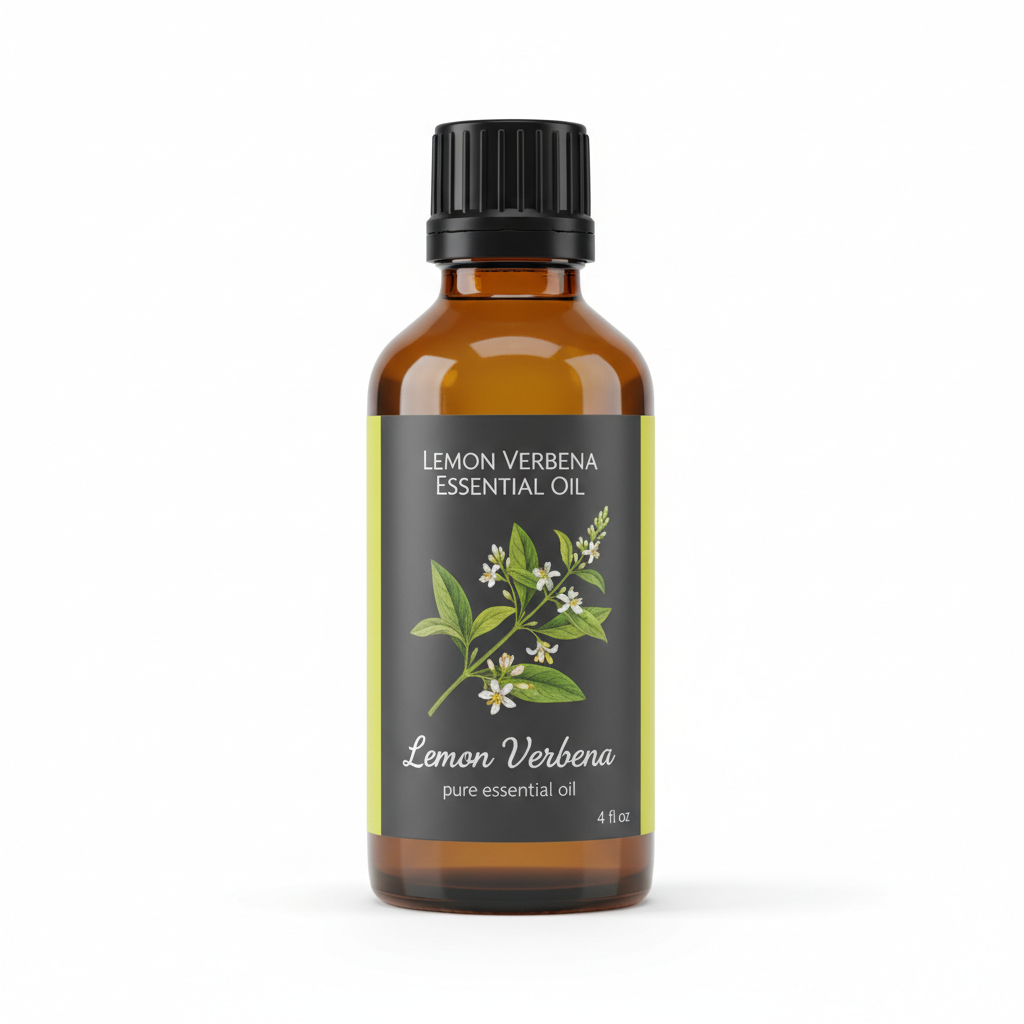
Lemon Verbena Essential Oil
Our own Lemon Verbena Essential Oil, in sizes from 0.5 oz to bulk.
From $12.99
Shop Now →This guide covers the three practical pillars every new user needs: choosing the right lemon verbena oil dilution for your intended use, performing a proper lemon verbena patch test, and understanding essential oil sun sensitivity so that your skin stays comfortable and your results stay predictable. None of this is complicated, but skipping steps can turn a lovely ritual into an irritating one.
For background on what this oil actually is and how it is made, the complete guide to lemon verbena essential oil covers everything from botanical origins to extraction methods. Once you have that foundation, what follows here becomes much easier to apply.
Why These Steps Are Not Optional
Essential oils are concentrated plant extracts. A single drop of lemon verbena oil contains a volume of aromatic compounds that would be spread across a much larger quantity of plant material in nature. That concentration is what makes the oil useful. It is also what makes undiluted skin application inadvisable.
Lemon verbena oil contains citral as a primary constituent. Citral is a natural aldehyde that gives the oil its signature brightness, and it is well-documented in the cosmetic science literature as a potential sensitizer when applied to skin without adequate dilution. Sensitization is a cumulative process: you may apply undiluted oil without any visible reaction the first time, but repeated exposure can trigger a response that affects your ability to use the oil (or related fragrances) comfortably in the future.
The sun sensitivity component is equally worth understanding. Several of the volatile compounds in lemon verbena oil may increase the skin's response to ultraviolet light, a property known as photosensitivity or phototoxicity. This does not mean the oil is dangerous when used correctly. It means that timing, formulation, and sun exposure planning genuinely matter.
What You Will Need
Gather these materials before you begin. Having everything at hand prevents improvisation, which is where most mistakes originate.
- One bottle of high-quality lemon verbena essential oil (look for Aloysia citrodora or Lippia citriodora on the label; see sourcing notes in our lemon verbena FAQ)
- A carrier oil suited to your skin type: jojoba, fractionated coconut oil, and sweet almond oil are all reliable choices
- A small glass mixing vessel or a 10 ml roller bottle
- A calibrated dropper or pipette (these are inexpensive and far more accurate than guessing)
- Clean cotton rounds or a clean patch of skin on your inner forearm
- A pen and small notepad to record your blend ratios and patch test observations
- Mild, fragrance-free soap for washing the area if needed
- Broad-spectrum SPF 30 or higher sunscreen (for any daytime applications)
Part One: Lemon Verbena Oil Dilution
Understanding Percentages
Dilution percentage refers to the proportion of essential oil in a finished blend. It is calculated by drops of essential oil relative to the total volume of carrier. A common reference point: in a 10 ml roller bottle, 20 drops of total liquid equals roughly 1 ml. So 2 drops of essential oil in a 10 ml bottle of carrier equals approximately a 1% dilution.
Here is a practical reference table:
| Dilution % | Drops per 10 ml carrier | Suggested use context |
|---|---|---|
| 0.5% | 1 drop | Sensitive skin, first-time users, facial serums |
| 1% | 2 drops | Daily facial or neck application, delicate skin areas |
| 2% | 4 drops | General body application, hand and arm blends |
| 3% | 6 drops | Occasional use body blends, pulse point rollers |
For lemon verbena specifically, starting at 1% or below for facial use is a reasonable approach given the citral content. The International Fragrance Association (IFRA) publishes usage guidelines for citral-containing materials in leave-on and rinse-off products; if you are blending for others or producing larger batches, those guidelines are worth consulting directly.
Step-by-Step Dilution Instructions
- Start with a clean, dry glass vessel. Residue from previous blends can interact unpredictably with new oils. A quick rinse with rubbing alcohol followed by air drying takes only a few minutes.
- Measure your carrier oil first. Pour your chosen carrier into the vessel up to your target volume. For a first blend, 10 ml is a manageable amount.
- Count your drops carefully. Hold the essential oil bottle at a consistent angle and allow drops to fall slowly. Count aloud. One miscount at this scale shifts your percentage meaningfully.
- Stir gently or cap and roll. A roller bottle can be rolled between the palms for 15 to 20 seconds. Avoid vigorous shaking, which can introduce air bubbles and affect the texture of thicker carriers.
- Label your blend immediately. Write the date, the oil, the carrier, and the dilution percentage. Memory is unreliable; labels are not.
Common Dilution Mistakes to Avoid
- Using a spoon to estimate rather than a calibrated dropper. Drops from different bottle styles vary widely in size.
- Assuming that a higher percentage will produce faster or better results. With sensitizing compounds, more is not more.
- Mixing directly in a plastic container. Many essential oils degrade certain plastics over time. Glass or stainless steel are the reliable choices.
Part Two: The Lemon Verbena Patch Test
A patch test is a straightforward observation exercise. You apply a small amount of your diluted blend to a consistent, low-risk area of skin, wait, and observe. It does not require special equipment. It does require patience.
Step-by-Step Patch Test Instructions
- Choose your test site. The inner forearm, just below the elbow crease, is the standard recommendation. The skin there is relatively thin and reactive, which means it is a good indicator of how more sensitive areas (like your neck or décolletage) might respond. Avoid broken or recently sun-exposed skin for the test.
- Apply a small amount of your diluted blend. A single drop is enough. Smooth it over a coin-sized area with a clean fingertip.
- Do not cover the area. Let it remain exposed to air. Covering can alter how the skin responds and may produce false readings.
- Wait 24 hours before drawing any conclusions. Some people check at 30 minutes and declare success. A more complete picture requires a full day. Some responses take time to develop.
- Observe and record what you see. Note any redness, warmth, itching, or texture changes. Note also if nothing occurs, which is the most common outcome with a properly diluted blend.
- If you notice any discomfort: wash the area gently with mild soap and water, do not apply anything further from that blend, and reconsider your dilution or your carrier choice. If a response feels severe or does not resolve, consult a qualified healthcare provider.
- If no response occurs: you have useful data. You can proceed with your intended use, staying mindful of the sun sensitivity considerations in the next section.
A note on repeat patch testing: If you significantly change your formula, switch to a different batch of oil (even from the same supplier), or have not used the blend in several months, a brief repeat of the patch test is good practice. Oils can vary between harvests, and your skin's state changes over time as well.
Part Three: Essential Oil Sun Sensitivity and Lemon Verbena
This is the section most people skip, and it is the one most likely to produce an unwanted outcome if ignored.
Phototoxicity occurs when certain plant compounds react to ultraviolet light on the skin, potentially resulting in darkening, uneven tone, or discomfort in the exposed area. Many citrus-derived oils carry phototoxic compounds called furanocoumarins. Lemon verbena's phototoxicity profile differs from bergamot or lime, but the citral content and other volatile constituents mean that applying it to skin that will soon be exposed to sunlight is not a neutral act.
Practical Sun Sensitivity Guidelines
- Time your application thoughtfully. If you apply a lemon verbena blend to exposed skin (arms, neck, décolletage), plan to stay out of direct sunlight for at least 12 hours afterward. Evening application for morning outings is a sensible rhythm.
- Covered skin carries less risk. Applying a blend to areas that will remain under clothing during sun exposure reduces the concern considerably. A lemon verbena body oil under a long-sleeved shirt on a sunny day is a different situation than the same oil applied to bare arms at the beach.
- Rinse-off formulations reduce exposure time. A lemon verbena addition to a body wash or a bath soak involves much briefer skin contact than a leave-on serum or roller. The risk profile shifts accordingly.
- Sunscreen is a practical layer of support, not a complete workaround. If you use a lemon verbena blend in a leave-on product during the day, a broad-spectrum SPF 30 or higher sunscreen applied over the area adds a layer of prudence. It does not eliminate the phototoxicity question, but it is a reasonable precaution for incidental sun exposure.
- Be especially attentive in summer months and at higher altitudes. UV intensity varies by season, time of day, and elevation. The same blend used comfortably during a low-light winter routine may require more care during a high-UV summer day.
What to Expect When You Get It Right
When lemon verbena oil is properly diluted, patch-tested, and applied with sun timing in mind, users often report a ritual that feels both grounding and uplifting. The scent is distinctive: there is a green, almost botanical quality to it that most people find brightening for a morning routine and pleasantly settling for an evening wind-down. The history of lemon verbena in European perfumery offers some context for why this particular fragrance character has been prized for centuries.
People who use well-formulated lemon verbena blends consistently describe enjoying the scent longevity on skin when jojoba is used as a carrier, noting that jojoba's similarity to the skin's own lipid profile may support how the fragrance develops and lingers. Results vary, skin types differ, and individual responses to fragrance materials are genuinely personal.
Quick Reference: Before You Apply
- Dilute to 1% or below for facial use; 2% for general body use
- Use glass or stainless steel mixing vessels
- Patch test every new blend for 24 hours on the inner forearm
- Plan for 12 hours between application and significant sun exposure on treated areas
- Label every blend with date, oil, carrier, and percentage
- When uncertain, consult a qualified healthcare provider or a certified aromatherapy practitioner
These steps take only a few minutes to set up and a day of patience to complete. For any oil you plan to use regularly, they are time well spent. If you have questions about oil quality, sourcing, or what to look for on a certificate of analysis, the lemon verbena FAQ addresses those topics in detail. Good materials and good practice together are what make a ritual genuinely worth repeating.