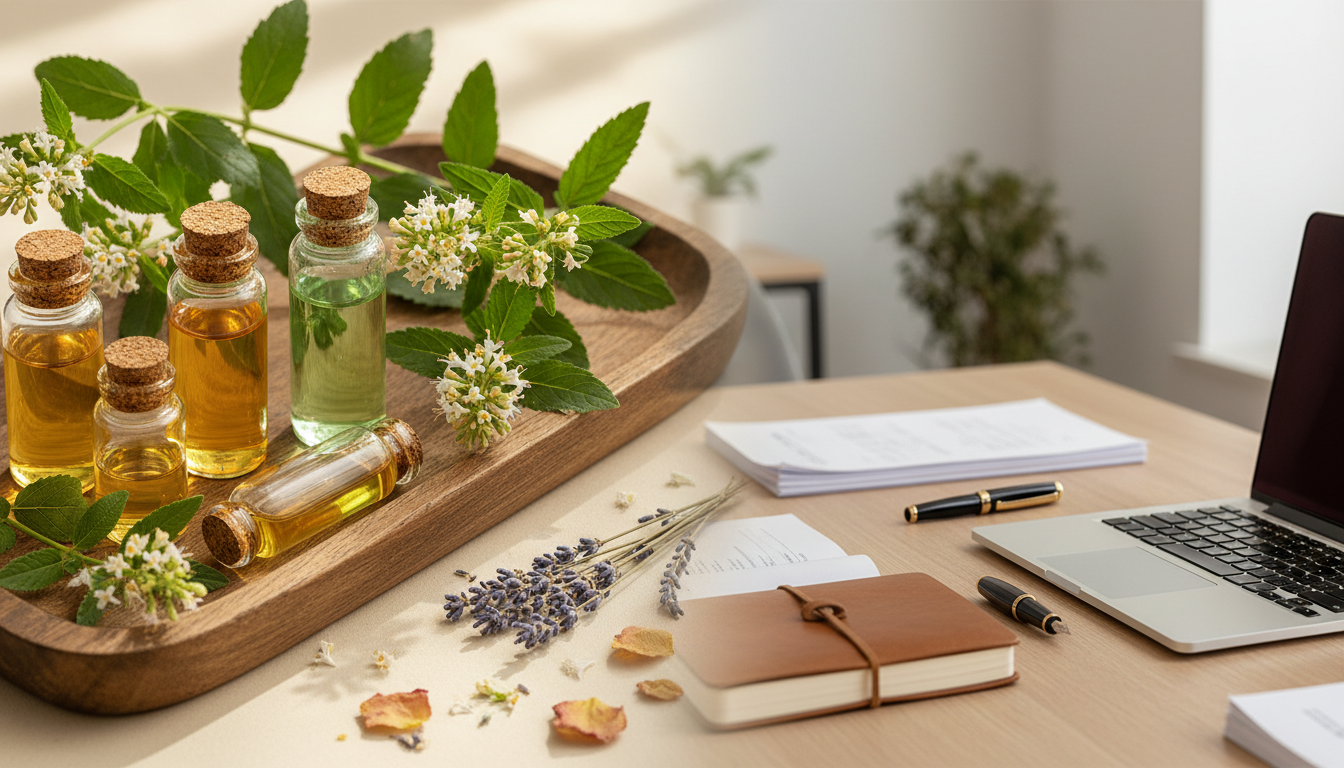
What Blends Well With Lemon Verbena? 12 Refined Partners
Lemon verbena essential oil is one of the more demanding materials in an aromatherapist's kit. Its scent is vivid and specific: a sharp, almost crystalline citrus note layered over a green, herbal warmth that synthetic lemon oils simply cannot replicate. That precision is exactly what makes blending with lemon verbena such a rewarding exercise. Get the partners right, and this oil transforms a composition. Get them wrong, and it disappears entirely or turns sour.
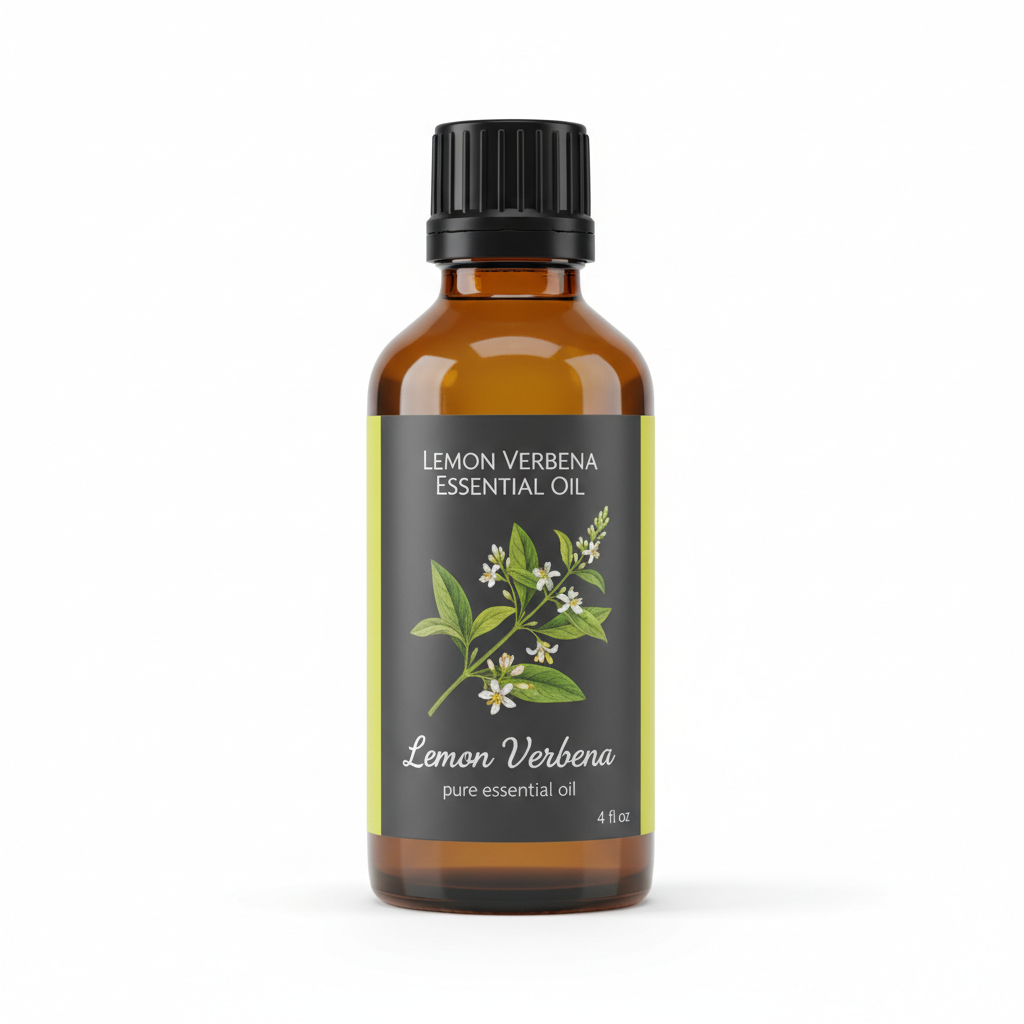
Lemon Verbena Essential Oil
Our own Lemon Verbena Essential Oil, in sizes from 0.5 oz to bulk.
From $12.99
Shop Now →The twelve oils below have been chosen for their ability to support, extend, or beautifully contrast verbena's signature brightness. Each one brings something distinct to the table. Some anchor it, some lift it higher, and others open unexpected directions you may not have anticipated.
1. Bergamot
If lemon verbena blends well with any single oil above all others, bergamot is the strongest argument. Both oils share a citrus-forward character, but they approach it from different angles. Lemon verbena is greener, more herbal, and slightly sharp at the top. Bergamot is rounder, floral, and carries a soft bitterness that adds depth without heaviness.
Together, they create what many perfumers describe as a "luminous" accord. The bergamot fills in the middle of the composition while verbena supplies the high, sparkling top note. In a diffuser blend, a ratio of two parts bergamot to one part lemon verbena tends to perform well as a starting point.
Practical takeaway: For a bright morning diffuser blend, combine bergamot with lemon verbena and a single drop of clary sage. The result reads as clean and energizing without veering into sharp or medicinal territory.
2. Petitgrain
Petitgrain is distilled from the leaves and twigs of the bitter orange tree, and its profile is dry, woody, and green with a faint floral note underneath. It is one of the most underused citrus blending partners in home aromatherapy, and it pairs with lemon verbena in a way that feels almost architectural. Petitgrain provides structure where verbena provides sparkle.
This pairing works especially well in personal fragrance applications. Because petitgrain sits in the middle register while verbena occupies the top, the two oils create a layered effect that lasts longer on the skin than either would manage alone. Adding a small amount of cedarwood at the base completes the accord into something genuinely wearable.
Practical takeaway: Try equal parts petitgrain and lemon verbena in an unscented carrier lotion at a combined dilution of 1.5 percent. This makes a lightweight, green-citrus body lotion suitable for warm-weather routines.
3. Neroli
Neroli, the steam-distilled flower of the bitter orange, is one of perfumery's great luxury materials. It brings a honeyed, white-floral depth with a faint powdery sweetness. Against lemon verbena's bright acidity, neroli acts as a softening counterpart. The combination suggests cut flowers and a sun-warmed garden without tipping into cloying sweetness.
These two oils appear together frequently in high-end cologne and eau fraîche compositions, and for good reason. Both are associated with the Mediterranean botanical tradition, and their natural kinship comes through in a blend. Because neroli is expensive and potent, use it sparingly: even a single drop in a blend can shift the character significantly.
Practical takeaway: One drop of neroli to two drops of lemon verbena in a personal inhaler creates a genuinely elegant portable scent. Keep the blend simple so neither oil overwhelms the other.
4. Rosemary (ct. verbenone)
The verbenone chemotype of rosemary is a specific variety with a softer, more camphoraceous-yet-refined quality compared to the sharper 1,8-cineole type. Its name actually echoes verbena's own, and the aromatic relationship is more than nominal. Rosemary verbenone adds a crisp, slightly resinous herbal note that grounds lemon verbena without pushing it in a medicinal direction.
This is a particularly strong pairing for skincare-focused applications. Rosemary verbenone has a long history of use in hair and scalp formulations, and when combined with lemon verbena in a scalp serum or hair oil, the two oils create a bright, herbaceous scent profile that feels both clean and sophisticated.
Practical takeaway: Add two drops of rosemary verbenone and one drop of lemon verbena per teaspoon of jojoba oil for a scalp massage blend. Always perform a patch test before applying to the scalp, and avoid use during pregnancy.
5. Lavender (Fine, High-Altitude)
True lavender from high-altitude regions has a cleaner, more camphor-free profile than its lower-altitude relatives. That cleanliness is exactly what the verbena pairing needs. Lavender's soft floral-herbal warmth rounds out lemon verbena's sharper edges without competing for attention in the top notes.
This is one of the most versatile of all verbena pairings for diffuser work. The blend reads as refreshing rather than sweet, herbal rather than floral. It suits living spaces, home offices, and the kind of spring and summer seasonal blending where you want something light enough not to feel heavy on warm evenings.
Practical takeaway: Use a 2:1 ratio of lavender to lemon verbena in the diffuser during a late-afternoon wind-down. The combination creates a calm, bright atmosphere that suits the shift from an active day into a quieter evening.
6. Geranium (Bourbon or Egyptian)
Geranium essential oil occupies a fascinating middle ground between rose and green botanicals. Its rosy, slightly minty, and faintly fruity character makes it one of the most flexible blending oils available. When combined with lemon verbena, it adds a floral dimension that reads as natural and garden-fresh rather than perfumed.
Bourbon geranium from Réunion Island tends to be sweeter and more rose-forward, while Egyptian geranium leans slightly greener and more minty. Either works well with lemon verbena, but the Egyptian variety keeps the blend on the fresher, more herbal side of the spectrum. This pairing is particularly appealing in room sprays and linen mists.
Practical takeaway: Combine three drops of geranium, two drops of lemon verbena, and one drop of cedarwood in a 100ml room spray (with appropriate dispersant). This creates a clean, botanical scent that works well in bedrooms and bathrooms.
7. Cedarwood (Atlas or Virginian)
Every bright top note eventually needs somewhere to land. Cedarwood is one of the most reliable base note companions for citrus and herbal oils, including lemon verbena. Its dry, woody warmth gives verbena's effervescence something to anchor against, extending the overall diffusion time and adding a quiet, forest-like depth.
Atlas cedarwood (from Morocco) is slightly sweeter and more camphor-forward, while Virginian cedarwood is drier and more pencil-shaving in character. Both work in this pairing; the choice depends on whether you want the base to read as warm or dry. For a gender-neutral personal fragrance base, Virginian cedarwood tends to integrate more seamlessly.
Practical takeaway: Use cedarwood as the anchor in any lemon verbena diffuser blend at a ratio of roughly one part cedarwood to three parts of the brighter oils. It will not dominate the blend but will noticeably improve its lasting quality.
8. Vetiver
Vetiver is an acquired taste, but it is exactly the kind of unexpected partner that elevates a competent blend into a memorable one. Its deep, smoky, earthy, and slightly sweet base note creates a dramatic contrast with lemon verbena's airy brightness. The distance between these two oils is precisely what makes the combination interesting.
Use vetiver sparingly in any blend with lemon verbena. A single drop in a diffuser session with three or four drops of lighter oils is sufficient. More than that, and vetiver begins to overpower everything else. When balanced correctly, the pairing has a richness that reads as refined and complex rather than simply citrusy.
Practical takeaway: Combine four drops of lemon verbena, two drops of bergamot, and one drop of vetiver for an evening diffuser blend. This particular combination suits a signature verveine garden-style diffuser session with a sophisticated, grounded finish.
9. Litsea Cubeba
Litsea cubeba is sometimes called May Chang, and it is one of the citrus blending partners that genuine lemon verbena enthusiasts tend to reach for when experimenting. Like verbena, litsea is intensely lemony, but its character is more straightforwardly fruity and slightly floral rather than herbal. Blending the two produces a lemon accord of unusual richness and complexity.
This pairing works beautifully in candle fragrance formulations and soap making, where both oils contribute a bright, clean citrus note that holds reasonably well (though all true citrus and lemon-type oils fade faster than resinous or floral notes in leave-on applications). In a diffuser, the blend is immediately appealing and uplifting in character.
Practical takeaway: Equal parts litsea cubeba and lemon verbena in the diffuser creates a very vivid, clean lemon atmosphere. Add one drop of ylang ylang to soften the sharpness if the combination feels too bright for evening use.
10. Black Pepper
This pairing surprises people who have not tried it. Black pepper essential oil has a dry, spicy, and slightly woody character that has nothing in common with lemon verbena at first glance. In practice, the pepper's warmth acts as a bridge between the bright citrus-herbal top and any woody or resinous base notes you add. It sharpens the overall impression of the blend without adding sweetness.
Black pepper works especially well in masculine-leaning or gender-neutral fragrance compositions that use lemon verbena as a top note. The combination has an energetic, alert quality that makes it particularly suited to morning rituals and active-lifestyle blends. Even a single drop of black pepper makes a measurable difference in the overall character of the composition.
Practical takeaway: In a roll-on personal fragrance at 2 percent dilution, combine lemon verbena, petitgrain, black pepper, and cedarwood in a 4:3:1:2 ratio. This creates a dry, citrus-forward scent with lasting power and complexity.
11. Ylang Ylang
Ylang ylang is a powerful floral with a sweet, almost narcotic depth. It can easily overwhelm lighter oils, which is why it needs to be used with care in any blend involving lemon verbena. When the proportions are right, however, the pairing is lush and beautiful. Lemon verbena's green brightness cuts through ylang ylang's heavier sweetness, keeping the blend from becoming cloying.
This combination has a tropical, summery quality that suits body oil formulations, especially those intended for warm-weather use. Ylang ylang also has a long cosmetic history in hair care, and blending it with lemon verbena in a hair serum produces both an appealing scent and an interesting botanical combination.
Practical takeaway: Use ylang ylang at no more than 10 percent of the overall essential oil portion in any blend with lemon verbena. In a diffuser, a single drop of ylang ylang to three drops of lemon verbena is a practical ceiling to start from.
12. Frankincense (Boswellia carterii or serrata)
Frankincense brings a resinous, slightly balsamic, and quietly spiced depth that works as a considered base for lemon verbena's brightness. The combination is less obvious than citrus-plus-citrus pairings, but it has a meditative, composed quality that suits evening rituals and slow-paced routines rather than morning energy blends.
The carterii species from Somalia tends to be brighter and more lemony in its own right, which creates an interesting resonance with the verbena. The serrata species from India is earthier and more resinous. Both are valid choices, and the selection should be guided by whether you want the blend to feel light and luminous or deeper and more grounded.
Practical takeaway: In a candle or room spray, three drops of lemon verbena to two drops of frankincense and one drop of lavender creates a refined, botanical atmosphere that bridges energetic brightness and quiet depth. This is one of the more versatile blends across different room settings.
A Few Notes on Blending Practice
Lemon verbena essential oil is one of the more costly materials you will work with, owing to the large volume of plant material required for steam distillation and the oil's relatively low yield. That cost is worth accounting for in your blending decisions. Use it purposefully, and partner it with oils that genuinely complement its character rather than simply filling diffuser drops with whichever bottles are nearest.
Dilution matters in every application. For skin applications, stay within a 1 to 2 percent total essential oil dilution for most adults, and always conduct a patch test before broader use. Lemon verbena may cause skin sensitivity in some individuals, particularly at higher concentrations. Avoid use during pregnancy without guidance from a qualified healthcare provider, and keep all essential oil blends away from children and pets unless you have confirmed appropriate safety parameters with a professional.
- Start with small test batches (10 drops total or fewer) before committing to larger quantities.
- Allow diffuser blends to sit for 24 hours before evaluating; the initial impression often shifts as top notes settle.
- Keep notes on your ratios. Lemon verbena blends can be surprisingly difficult to reproduce from memory alone.
- Source your lemon verbena oil from reputable suppliers who provide GC/MS testing documentation. Adulteration is common in this category.
The full context for working with this oil, including sourcing guidance and application techniques, is covered in depth in the complete lemon verbena blending guide. If you are planning seasonal compositions, the spring and summer blend collection offers a curated starting point for warm-weather diffuser work.
Lemon verbena rewards patient, attentive blending. Give it the right partners, and it will consistently be the most distinctive element in your compositions.