
Lemon Verbena Oil vs Melissa Oil: Two Costly Lemon Scents Compared
Walk into any serious aromatherapy cabinet and you'll eventually run into a strange little standoff: two green, lemon-bright oils, both prized, both expensive, and both frequently confused for one another. Lemon verbena oil and melissa oil (sometimes called true melissa or lemon balm oil, though that naming gets messy fast) sit at the premium end of the citrus-scent world for very different botanical reasons. Neither one is the budget lemon oil you'd reach for on a whim. Both ask you to think about what you're actually paying for.
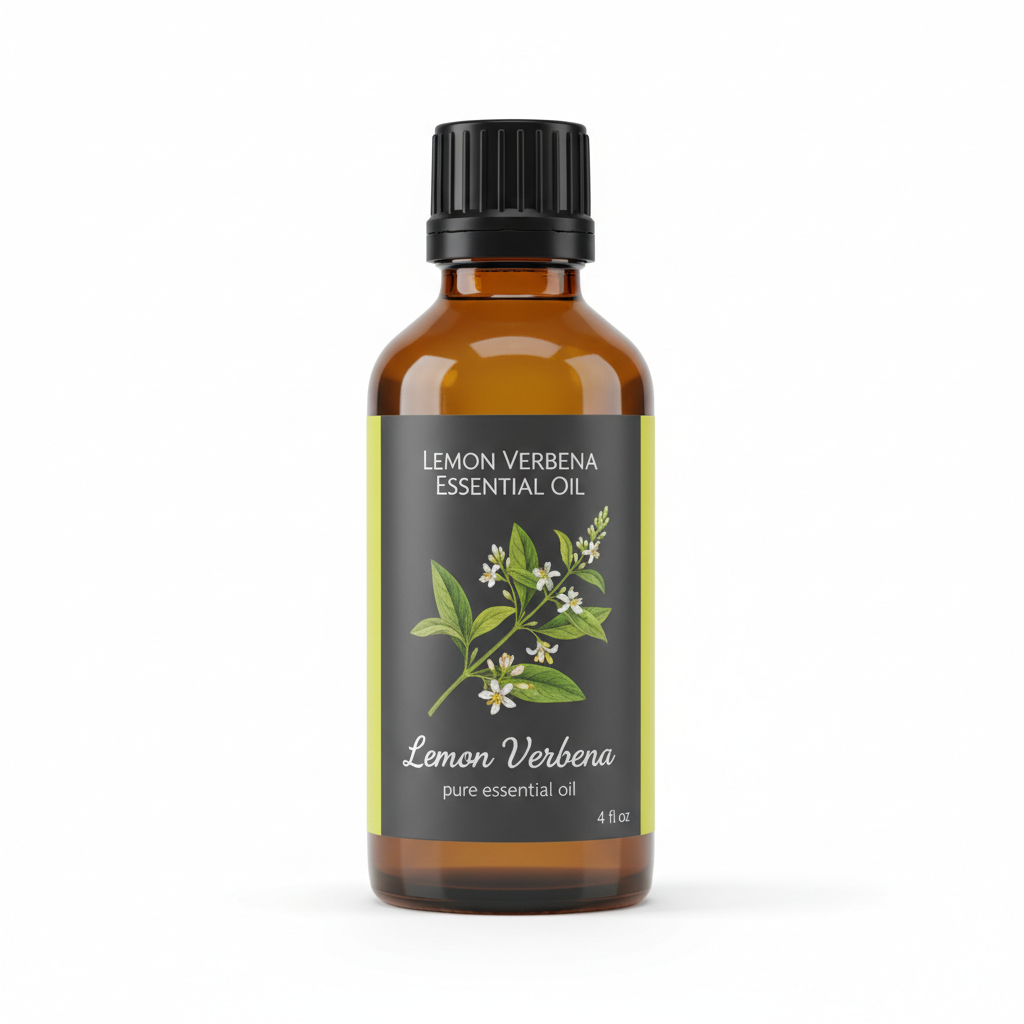
Lemon Verbena Essential Oil
Our own Lemon Verbena Essential Oil, in sizes from 0.5 oz to bulk.
From $10.99
Shop Now →This comparison walks through where each oil comes from, what it smells and behaves like, how the pricing actually breaks down, and which one makes more sense depending on what you're formulating, diffusing, or blending. We'll be direct about tradeoffs on both sides, because a fair comparison is more useful than a sales pitch.
Why Both Oils Command Premium Prices
Lemon verbena (Aloysia citrodora) is a woody South American shrub whose narrow leaves carry a sharp, almost effervescent lemon aroma. It's steam distilled, and while yields are modest compared to something like lemon peel oil, the plant is at least cultivated at meaningful scale in parts of France, Spain, and North Africa.
Melissa oil (Melissa officinalis, also known botanically as lemon balm) is a different story entirely. This is one of the lowest-yielding aromatic plants used in commercial distillation. Producers often report needing several hundred pounds of fresh lemon balm foliage to distill a single pound of oil. That ratio alone explains most of melissa's reputation as one of the most costly single-note oils on the market, frequently priced well above rose or true jasmine absolute per drop.
Here's the honest sourcing note worth knowing before you buy either: melissa oil is also one of the most commonly adulterated oils in the industry. Because genuine yield is so low and demand is steady, a lot of what's sold as "melissa" is cut with cheaper citronellal-rich oils like lemongrass or citronella, or is a lab-reconstructed accord built to mimic the GC-MS profile. If a melissa oil is priced anywhere close to lemongrass, that's a red flag, not a bargain. Lemon verbena has some of the same shadow economy, though less pervasive, since its yield problem is less extreme.
Lemon Verbena vs Melissa at a Glance
| Attribute | Lemon Verbena Oil | Melissa Oil |
|---|---|---|
| Botanical name | Aloysia citrodora | Melissa officinalis |
| Plant family | Verbenaceae | Lamiaceae (mint family) |
| Typical yield | Low to moderate | Extremely low |
| Common origin | France, Spain, Morocco, Argentina | France, Bulgaria, Egypt, Hungary |
| Scent profile | Bright, sharp, green-lemon, slightly tart | Soft, honeyed lemon, herbaceous, subtly floral |
| Relative price per 5ml (retail) | Premium tier | Ultra-premium tier, often 2 to 4x lemon verbena |
| Adulteration risk | Moderate | High, verify GC-MS documentation |
| Best documented uses | Perfumery, room diffusing, skincare formulation | Perfumery, skincare formulation, evening routines |
| Shelf stability | Good with proper storage | Moderate, degrades faster once opened |
Lemon Verbena Oil: Pros and Cons
Pros
- Sharper, more immediately recognizable lemon character, useful when a formula needs a clean top note
- Generally more accessible pricing than genuine melissa, even at the premium end
- Wider cultivation base makes sourcing verifiable, single-origin batches more realistic
- Long history in French perfumery, so it blends predictably with citrus, floral, and woody accords
Cons
- Can read as a touch sharp or one-dimensional compared to melissa's rounder profile
- Photosensitizing potential in some furanocoumarin-bearing citrus-family oils means sun exposure precautions are worth checking on the specific batch
- Quality varies noticeably by growing region and harvest timing, so batch consistency takes some trust in the supplier
Melissa Oil: Pros and Cons
Pros
- A rounder, softer, almost honeyed lemon note that's genuinely distinct from every other citrus oil on the shelf
- Long-standing traditional use in evening wind-down routines and calming diffuser blends, valued for its gentle character
- Small amounts go a long way in a formulation, which offsets some of the sticker shock
Cons
- Price is genuinely difficult to justify for casual or high-volume use
- Adulteration is common enough that buying without lab documentation is a real risk
- Degrades faster once opened, so a costly bottle needs to be used within a reasonable window to get full value
- Some people find the scent almost too subtle after the bracing brightness of lemon verbena or true lemon oil
Lemon Balm Oil vs Lemon Verbena: Untangling the Naming Confusion
A lot of shopper confusion starts right here. "Lemon balm oil" is simply another common name for melissa oil, since lemon balm is the everyday English name for Melissa officinalis. Lemon verbena is a completely different plant family and a different scent chemistry, even though the marketing language on some budget listings blurs the two together.
The practical difference shows up fast on a scent strip. Lemon verbena opens sharp and green, almost like biting into a lemon peel. Lemon balm (melissa) opens softer, rounder, with a honeyed undertone that mellows within minutes. If you've ever smelled true melissa oil next to a "lemon balm fragrance oil" and thought they smelled nothing alike, that's usually because the fragrance oil is a synthetic reconstruction rather than the genuine steam-distilled article. Always check the label for the botanical name, not just the common name, before assuming you know what's in the bottle.
Melissa Essential Oil Price Comparison
This is where the two oils diverge most sharply. A quick scan across reputable suppliers shows genuine melissa oil routinely priced two to four times higher than lemon verbena at equivalent volumes, and sometimes more when the batch comes with full GC-MS testing and a documented chain of custody. That premium isn't padding margin so much as reflecting the sheer amount of plant material required per milliliter.
A fair melissa essential oil price comparison has to account for concentration of use, though. Because melissa's aroma is so potent even in tiny amounts, a small 2ml or 5ml bottle can outlast a larger bottle of a more diffusible oil like lemon verbena, which people tend to use more liberally in diffuser blends. Cost per bottle looks alarming; cost per actual use is closer than it first appears, though still meaningfully higher for melissa.
If a listing advertises melissa oil at a price close to lavender or tea tree, treat that as a signal to ask for lab documentation before buying. Genuine melissa simply cannot be produced at that price point given known yield ratios.
Is Lemon Verbena a True Melissa Oil Substitute?
People searching for a true melissa oil substitute are usually chasing one of two things: the scent, or the price relief. Lemon verbena can serve as a reasonable substitute for the scent goal, especially in diffuser blends and room sprays where a bright, verified lemon note is the priority and the honeyed roundness of melissa isn't essential to the final effect.
Where lemon verbena falls short as a substitute is in fine perfumery and layered skincare formulations, where melissa's specific soft, slightly floral undertone is doing work that lemon verbena's sharper profile can't fully replicate. In those cases, a small amount of genuine, lab-verified melissa blended alongside a larger base of lemon verbena or petitgrain can often stretch a small melissa investment further while still capturing some of its signature roundness.
For anyone formulating skincare with either oil, standard dilution guidance applies: a well-diluted blend (generally no more than 1 to 2 percent in a leave-on product) applied to a small patch of skin and observed for 24 to 48 hours before wider use is the sensible way to check for individual sensitivity. This applies to both oils, and to citrus-family oils generally given their photosensitizing potential. As always, anyone pregnant, nursing, or managing an existing health situation should check with a qualified healthcare provider before adding a new essential oil into a routine.
Best For: Matching the Oil to Your Use Case
| Use Case | Better Choice | Why |
|---|---|---|
| Everyday diffuser blends | Lemon verbena | Brighter projection, more forgiving on cost for frequent use |
| Evening wind-down atmosphere | Melissa | Softer, rounder profile traditionally favored for calm routines |
| Fine perfumery and layering | Melissa (or a verbena-melissa blend) | Depth and roundness that's hard to replicate with verbena alone |
| Budget-conscious formulators | Lemon verbena | Meaningfully lower cost per milliliter |
| Small-batch luxury skincare | Melissa | Scent rarity supports premium positioning, used sparingly |
| Natural cleaning or household sprays | Lemon verbena | No practical reason to spend melissa-level money here |
A good rule of thumb from working formulators: reach for lemon verbena when you need lemon to lead the blend, and reach for melissa when you need lemon to whisper.
Our Verdict
Neither oil is objectively better. They're solving different problems. Lemon verbena earns its price through a sharper, more versatile lemon character that performs well across diffusing, perfumery, and skincare without demanding a specialist budget. Melissa earns its considerably steeper price through genuine scarcity and a scent profile that simply doesn't exist anywhere else in the citrus family, but it asks buyers to do real homework on sourcing before committing.
If you're weighing lemon verbena oil vs melissa oil for a specific project, start with what the formulation actually needs. A room diffuser blend or a household product rarely needs melissa's rarity to succeed, and lemon verbena will do the job at a fraction of the cost. A fine fragrance or a small-batch luxury product built around a genuinely rare note is a different calculation, and that's where melissa's price starts to make sense, provided the bottle comes with the documentation to back up what's actually inside it.
Whichever you choose, buy from a supplier willing to share batch-specific GC-MS testing. That single habit does more to protect your money and your results than any amount of price comparison ever will.