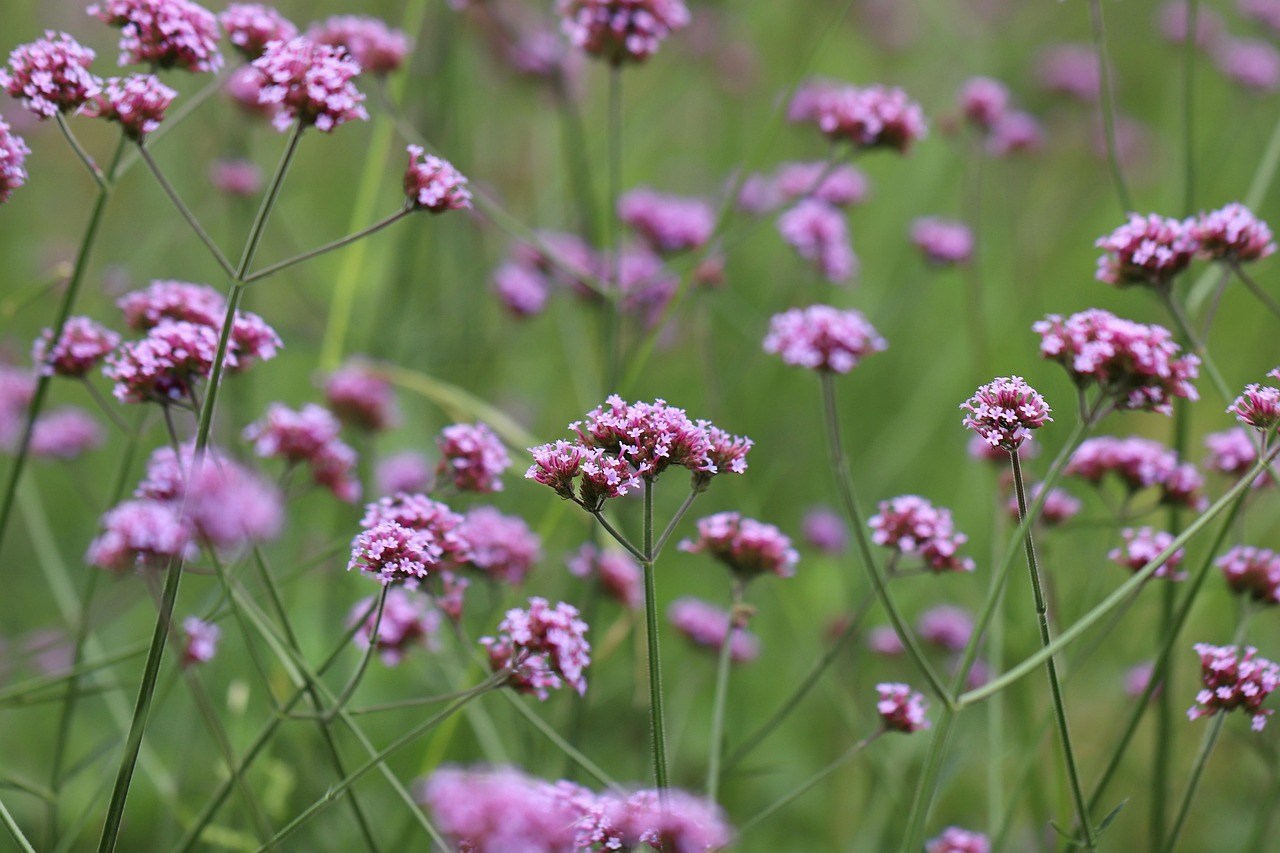
Using and Blending Lemon Verbena Oil: The Ultimate Guide
Key Takeaways
- Genuine lemon verbena essential oil is rare, expensive, and frequently adulterated. Learning to evaluate quality before you buy saves frustration and money.
- The oil's primary aromatic compound, citral, gives it a sharp, aldehydic citrus character that behaves differently in blends than lemon or bergamot.
- Lemon verbena oil blends exceptionally well with other citrus oils, certain florals, green herbaceous notes, and a careful selection of woody bases.
- Dilution is non-negotiable. Always use lemon verbena oil at 1% or lower for leave-on skin applications, and never apply undiluted to skin.
- For diffuser use, small quantities go a long way. This oil projects strongly and can overpower a blend if overdosed.
- Patch testing before any topical use is essential, particularly because citral-rich oils carry a heightened sensitization risk for some individuals.
- Lemon verbena perfume oil in a rollerball format is one of the most wearable and cost-effective ways to enjoy this costly botanical.
What Makes Lemon Verbena Oil Distinct
There is a moment that every lemon verbena devotee describes the same way. You rub a fresh leaf between your fingers, and the scent that rises is almost impossibly vivid: lemon, but cleaner and sharper than actual lemon, with a faintly herbal, almost powdery depth underneath. It smells the way the idea of citrus smells, before the fruit itself adds its sticky sweetness.
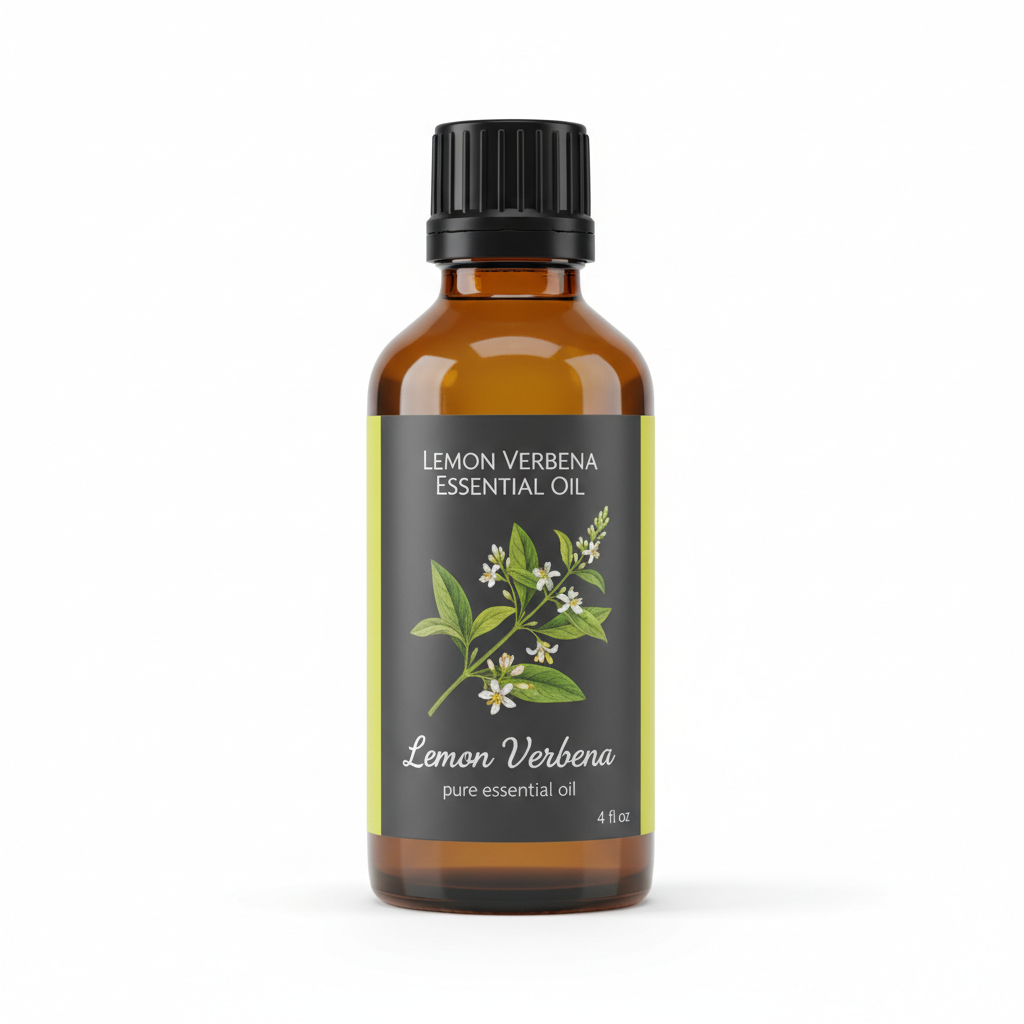
Lemon Verbena Essential Oil
Our own Lemon Verbena Essential Oil, in sizes from 0.5 oz to bulk.
From $12.99
Shop Now →Capturing that in a bottle is the challenge. Aloysia citrodora, the plant behind verbena fragrance, is a South American shrub that arrived in Europe with Spanish botanists in the late 1700s. It became a staple of Victorian perfumery and French colognes, prized for a brightness that no other citrus source could replicate. Then production declined. Demand fell. And by the mid-twentieth century, most products labeled "verbena" were using synthetic citral or lemon-scented alternatives instead.
Genuine lemon verbena essential oil, steam-distilled from the flowering tops and leaves, never fully disappeared. But it became a connoisseur's material: low yield, high cost, and a quality ceiling that rewards careful sourcing. A kilogram of oil typically requires hundreds of kilograms of plant material. That scarcity is why, if you've purchased a very inexpensive "lemon verbena" oil, it is almost certainly either adulterated or a reconstruction built from cheaper citral sources.
This guide assumes you want the real thing, and that you want to use it well.
Understanding the Scent Profile: What You're Actually Working With
The Chemistry Behind the Character
Lemon verbena essential oil is dominated by citral, a naturally occurring mixture of two aldehydes: geranial and neral. Citral content in quality verbena oil typically ranges from 30% to 40%, which is substantially higher than in lemon peel oil. Alongside citral, you'll find limonene, geraniol, linalool, and a range of minor sesquiterpene compounds that contribute the oil's characteristic depth and what perfumers sometimes describe as a "green" or "herbal" roundness.
That high citral percentage explains two things: why the scent is so intensely citrus-forward, and why the oil requires careful handling. Citral is a known sensitizer when used at elevated concentrations on skin. It's a beautiful compound, but a demanding one.
How Lemon Verbena Differs from Its Common Substitutes
Knowing what makes this oil unique will help you blend it better and recognize quality when you encounter it.
| Oil | Primary Character | Key Difference from Lemon Verbena | Blending Behavior |
|---|---|---|---|
| Lemon Verbena (genuine) | Bright, aldehydic citrus; herbal depth; faint powdery dry-down | The reference point | Strong top note; bridges citrus and herbal families |
| Lemon Peel (cold-pressed) | Bright, juicy citrus; sweeter, rounder | Sweeter, less herbal, faster dry-down | Strong top note; limited longevity on skin |
| Lemon Eucalyptus | Citrus-eucalyptol character; medicinal undertone | Sharper, more camphoraceous; different genus entirely | Dominant; can overpower delicate florals |
| Litsea Cubeba | Intensely lemony; clean aldehydic brightness | Higher citral content; less herbal nuance | Good budget substitute in diffuser work; flatter in perfumery |
| Melissa (Lemon Balm) | Softer lemon; herbal, slightly floral | Gentler; lower citral; more complex minor compounds | Better skin safety profile; less projection |
Scent Development Over Time
On a blotter, lemon verbena oil opens with a burst of sharp, almost electric citrus. Within fifteen to twenty minutes, the citral edge softens and a greener, slightly floral middle note emerges. The dry-down is faint and pleasant: a pale herbal whisper that has much better longevity than cold-pressed lemon peel. This development is worth understanding before you formulate, because what you smell in the bottle is not what you'll smell an hour into wear or thirty minutes into a diffuser session.
Diffuser Blending: Creating Atmosphere with Lemon Verbena
General Principles for Diffuser Use
Lemon verbena oil is a strong projector in a diffuser. Its citral content means it fills a room quickly and assertively. A common mistake is treating it the way you would a more restrained oil like sandalwood or cedarwood, adding ten or twelve drops and wondering why the blend feels sharp and fatiguing after twenty minutes.
Start with three to five drops of lemon verbena in a total blend of ten to fifteen drops. Let the blend run for thirty minutes, then pause the diffuser. Assess what you have. Adjust from there. This approach is both more accurate and considerably more economical given the cost of genuine verbena oil.
Room Size and Diffuser Type
Ultrasonic diffusers disperse oil at room temperature, which preserves the aromatic complexity of lemon verbena beautifully. Heat-based diffusers (candle warmers, electric warmers) can accelerate the volatilization of the lighter citrus top notes, leaving a flatter, less vibrant result. For this oil in particular, ultrasonic or nebulizing diffusers are the better choice.
For a standard bedroom or living space (roughly 150 to 250 square feet), eight to ten total drops in an ultrasonic diffuser running on intermittent cycles is a reasonable starting point. Larger open-plan spaces may warrant twelve to fifteen drops total, but increase lemon verbena's share gradually.
Atmosphere-Building with Lemon Verbena Diffuser Blends
The oil's character makes it particularly well-suited to certain atmospheric intentions:
- Morning spaces: Paired with bergamot and a small amount of rosemary, lemon verbena creates a fresh, energized atmosphere that works well in home offices or kitchens during the first hours of the day.
- Evening wind-down: Blended with lavender and a touch of clary sage, the sharpness of verbena recedes into the background and the overall result is considerably softer and more settled.
- Outdoor entertaining areas: In warmer months, lemon verbena diffused on a covered patio alongside citronella and cedarwood creates a bright, pleasant atmosphere. (Note that citronella and lemon verbena are both high-citral oils; use both sparingly to avoid an overloaded result.)
- Neutral spaces: For shared workspaces or studios where individual preference varies widely, a simple pairing of lemon verbena and light cedarwood is clean, unobtrusive, and broadly appealing.
For a full set of tested formulas with drop counts and blending rationale, see our dedicated piece on lemon verbena diffuser blends: 10 crisp, elegant recipes.
What to Avoid in Diffuser Blending
A few combinations consistently produce disappointing results with lemon verbena:
- Heavy resins at high ratios: Frankincense and myrrh are beautiful oils, but at equal or greater ratios to lemon verbena, they tend to bury the citrus top notes completely. If you love the combination, use the resinous oil at 20% or less of the total blend.
- Camphoraceous oils: Eucalyptus globulus and high-1,8-cineole oils create a medicinal sharpness alongside lemon verbena's citral that most people find uncomfortable rather than refreshing.
- Other very high-citral oils at equal ratios: Blending lemon verbena with litsea cubeba at equal parts simply creates an oversaturated citral bomb. If you're using both, lemon verbena should dominate and litsea should function as a small accent.
Perfume and Fragrance Blending: Building a Lemon Verbena Signature
Where Lemon Verbena Sits in a Fragrance Pyramid
In classical perfumery structure, lemon verbena oil functions primarily as a top note. It opens a fragrance with vivid brightness, creates immediate impression, and begins to recede within thirty to sixty minutes on skin. This is consistent with most high-citral materials. The interesting creative challenge is supporting that opening so the fragrance doesn't collapse into nothing once the verbena fades.
There are two main approaches. The first is to build a genuinely interesting heart and base that can stand on their own, letting the verbena be a dazzling introduction to something else. The second is to anchor the verbena character using fixatives: molecules with lower volatility that "hold" the citrus impression longer. Musks, ambers, and certain woody materials serve this function well in lemon verbena perfume oil formulations.
Eau-Style Formulas and Rollerballs
One of the most practical and cost-effective ways to wear lemon verbena is in a rollerball format: a simple dilution in a skin-safe carrier oil (jojoba is the standard choice) at a fragrance-appropriate concentration. This stretches a small quantity of expensive verbena oil into a wearable daily format while keeping dilution safe.
A basic lemon verbena perfume oil rollerball might follow this structure:
- Lemon verbena essential oil: 1% to 1.5% (top note)
- Bergamot essential oil: 2% to 3% (top-to-mid; extends the citrus family)
- Geranium essential oil: 1% (mid note; adds a rosy, green bridge)
- Cedarwood (Atlas or Virginian): 1% to 2% (base; provides quiet warmth and fixative effect)
- Fractionated coconut oil or jojoba: to 100%
At these dilution levels, the blend sits safely within recommended guidelines for leave-on skin application. The result is a quietly sophisticated fragrance that opens with sharp citrus brightness and dries down to a soft, faintly woody warmth.
For a fully developed rollerball formula with step-by-step instructions, see our guide to DIY verbena perfume oil: a classic eau-style rollerball.
Verbena Fragrance in Broader Perfumery Contexts
Lemon verbena has a long and distinguished history in fine fragrance. The traditional "eau de cologne" style built around citrus and herbal materials, originating in Cologne in the eighteenth century, frequently included verbena as a key character note. Contemporary verbena fragrances from major houses tend to use reconstructed or synthetic citral materials rather than the genuine essential oil, partly for cost and partly for consistency. When you formulate with real lemon verbena oil, you get something qualitatively different: a complexity and naturalness that synthetic reconstructions rarely replicate with full fidelity.
The verbena fragrance family sits at an interesting intersection. It shares qualities with citrus fragrances (brightness, freshness, high volatility), herbal fragrances (green depth, slightly rough edges), and chypre-adjacent structures (when paired with oakmoss or vetiver). This versatility is part of what makes lemon verbena such a rewarding blending material for anyone willing to work slowly and carefully.
Perfume Blending Ratios and Concentration Levels
| Format | Total Fragrance Concentration | Lemon Verbena Share of Fragrance | Notes |
|---|---|---|---|
| Rollerball perfume oil | 5% to 8% total in carrier oil | 15% to 25% of total fragrance | Most wearable format; safest dilution |
| Eau de cologne style | 3% to 5% in alcohol | 20% to 35% of total fragrance | Traditional format; citrus dominates |
| Eau de toilette style | 8% to 12% in alcohol | 15% to 20% of total fragrance | Verbena supported by stronger heart/base |
| Room spray or linen spray | 1% to 2% in water/alcohol | Up to 50% of fragrance | Not applied to skin; lower sensitization concern |
Carrier Oils and Topical Use: Dilution, Application, and Safety
The Non-Negotiable: Proper Dilution
Lemon verbena essential oil must always be diluted before any skin contact. This is not a general essential oil precaution note that you can reasonably skip. It is a specific, heightened consideration for this oil. The IFRA (International Fragrance Association) publishes maximum usage levels for citral-containing materials in leave-on cosmetic products. For lemon verbena oil, leave-on applications should stay at or below 1% total oil concentration.
For rinse-off applications (such as a bath blend or body wash), concentrations can be slightly higher, but should still be approached conservatively. The cited safe limit is 2% for rinse-off, though many formulators prefer to stay below that ceiling.
Safety reminder: Always perform a patch test before using any new essential oil blend on skin. Apply a small amount of the diluted blend to the inner forearm, cover with a bandage, and wait 24 hours. Discontinue use if any redness, itching, or irritation develops. Consult a qualified healthcare provider before using any essential oil if you are pregnant, nursing, or managing a chronic health condition.
Choosing the Right Carrier
The carrier you choose affects not only how the lemon verbena oil is delivered to skin, but also how the final blend smells and feels. Some carriers have strong scents of their own that will interact with the verbena's character.
- Jojoba oil: The most neutral, stable, and widely recommended carrier for perfume and facial applications. It has a very light, nearly undetectable scent and excellent shelf life. It absorbs cleanly without a greasy residue.
- Fractionated coconut oil: Similarly neutral and stable, slightly less skin-beneficial than jojoba but very fluid and easy to work with. Works well in rollerballs.
- Sweet almond oil: Slightly nutty scent at baseline, which most people find pleasant alongside citrus. Good for body applications. Shorter shelf life than jojoba.
- Apricot kernel oil: Lightweight, mild scent, good skin compatibility. A nice mid-ground option for body and bath formulations.
- Squalane: Derived from olives or sugarcane, this carrier has an extremely neutral scent and excellent skin feel. Works well for face and neck applications where scent interaction should be minimized.
Avoid using olive oil, avocado oil, or unrefined coconut oil as primary carriers for lemon verbena blends. Their strong inherent scents will compete with and obscure the verbena's bright citrus character.
Topical Application Formats
Beyond perfume rollerballs, there are several other ways to incorporate properly diluted lemon verbena oil into a body care or bath routine:
- Bath oils: A few drops of diluted lemon verbena blend added to a full bath creates a fragrant, pleasant soaking experience. Always pre-dilute in a carrier oil before adding to water. Undiluted essential oil floats on bath water and can cause concentrated skin exposure. For a complete formula, see our piece on DIY lemon verbena bath oil: a softly citrus soak.
- Body moisturizers: Adding a properly diluted lemon verbena blend to an unscented lotion base creates a light, fresh daily moisturizer. Stay at 1% total essential oil or below for leave-on formulations.
- Hair fragrance: A very light misting of a diluted lemon verbena water spray (1% or below) on dry hair can provide a subtle, lingering citrus fragrance that differs pleasantly from applying the same blend to skin.
Populations Who Should Exercise Additional Caution
Citral-rich oils carry specific considerations for some individuals. People with known citrus or fragrance sensitivities should approach lemon verbena oil with particular care and perform thorough patch testing. Individuals who are pregnant or nursing should consult a qualified healthcare provider before using any essential oil topically. Children's skin is considerably more sensitive than adult skin, and essential oil use on children should only occur under professional guidance.
Blending Partners: Which Oils Belong in the Same Bottle
The Best Pairings by Aromatic Family
Lemon verbena oil blends with a surprisingly wide range of oils. The key is understanding what each pairing does to the overall character, and whether that shift serves the goal of your blend.
Citrus Family
Bergamot is the most consistently successful citrus partner for lemon verbena. Its furocoumarin-rich freshness and slight floral quality add dimension without competing. Grapefruit adds a bitter edge that works well in morning-focused diffuser blends. Mandarin softens the blend and adds sweetness. Lime creates a sharper, more cutting opening that some people find vibrant and others find abrasive.
Herbal and Green Family
Rosemary (specifically the ct. verbenone or ct. camphor varieties, used at low ratios) creates a bridge between the herbal and citrus aspects of lemon verbena. Clary sage adds a pleasantly nutty, slightly floral softness. Petitgrain is an excellent choice: it shares some aromatic DNA with lemon verbena's green quality and extends the freshness without adding sweetness. Basil (especially the linalool-dominant type) is underrated as a pairing and creates a surprisingly elegant culinary-fresh result.
Floral Family
Geranium is probably the most versatile floral partner for lemon verbena. Its rosy-green character bridges citrus and floral beautifully. Ylang ylang at very low concentrations (under 2% of the blend) adds a rich, almost tropical depth. Neroli is a sophisticated pairing, creating a blend that reads as simultaneously fresh and refined. Lavender softens everything and is the standard choice for evening wind-down blends.
Woody and Base Family
Cedarwood (Atlas or Virginian) is the workhorse base for lemon verbena blends. It provides quiet warmth and a mild fixative quality without crowding the citrus foreground. Vetiver at very low ratios (1% to 2% in a perfume blend) adds an earthy, smoky depth that creates an unexpected and striking contrast. Sandalwood adds creaminess. Frankincense, used sparingly, adds a resinous softness that grounds citrus blends without burying them.
For an expanded exploration of all twelve of the most refined pairing options with formulation notes for each, see what blends well with lemon verbena: 12 refined partners.
The Pairings to Avoid
Not every oil is a good neighbor for lemon verbena. Heavy, dark, or intensely camphoraceous oils tend to produce results that most people find disappointing at best and unpleasant at worst.
- Patchouli at high ratios: Patchouli's earthy, almost musty depth is simply too dominant. If you love the combination conceptually, use patchouli at 1% or below and let the verbena lead entirely.
- Clove bud: The eugenol sharpness of clove overwhelms lemon verbena's aldehydic brightness and creates a discordant, slightly medicinal result.
- Cinnamon bark: Similar issue: strong phenolic character that fights rather than supports the citrus foreground.
- Tea tree: The cineole-heavy, sharp quality of tea tree creates an uncomfortable clash with lemon verbena's citral character in almost any ratio.
Sourcing and Quality: What Separates a Great Lemon Verbena Oil from a Disappointing One
The Adulteration Problem
It is worth stating plainly: the majority of products sold as "lemon verbena essential oil" at mainstream retail price points are not genuine Aloysia citrodora distillates. They are either reconstructions built from synthetic citral, dilutions of genuine oil into cheaper citrus materials, or outright substitutions (litsea cubeba is a common one).
This is not necessarily deceptive at the budget end of the market. Litsea cubeba, for example, shares significant aromatic character with lemon verbena and serves adequately in many diffuser applications. The issue arises when a product is represented as genuine steam-distilled lemon verbena when it is not. If you are paying less than a meaningful premium for what is described as genuine lemon verbena oil, skepticism is warranted.
What to Look for When Evaluating Quality
Reputable suppliers of genuine lemon verbena essential oil will typically provide the following:
- Gas chromatography/mass spectrometry (GC/MS) reports: These analytical documents show the actual chemical composition of a specific batch. A genuine lemon verbena oil should show citral (geranial + neral) in the 30% to 40% range, along with the characteristic minor compound profile of Aloysia citrodora.
- Country of origin and botanical name: Reputable suppliers list both. Primary producing regions include Morocco, France, and Argentina.
- Extraction method: Steam distillation is standard for genuine lemon verbena oil. If a product lists another extraction method without explanation, investigate further.
- Harvest year and batch number: High-quality suppliers track provenance to this level of detail.
Price as a Quality Signal
Genuine lemon verbena essential oil is not cheap. At the time of writing, quality steam-distilled Aloysia citrodora from reputable suppliers typically retails at significantly higher prices per milliliter than common citrus oils. If you encounter a 10ml bottle priced similarly to sweet orange or lemon oil, the product is almost certainly not genuine. This is not snobbery; it is simple agricultural economics. The yield is low, the cultivation is labor-intensive, and genuine verbena oil commands a real cost.
Infused Oil as an Alternative
For those who grow lemon verbena at home or have access to fresh leaves, a carrier-oil infusion is a genuinely useful alternative or complement to the essential oil. It captures some of the plant's aromatic quality at a fraction of the cost and with very low sensitization risk. The scent is softer and less intense than the essential oil, but for body care and bath applications, the result is beautiful. For a complete how-to, see our guide on how to make lemon verbena infused oil from garden leaves.
Recipes and Formulas: Ready-to-Use Starting Points
Formula 1: Classic Verbena Morning Diffuser Blend
This is a clean, uplifting atmospheric blend designed for use in a shared space during the first hours of the day. The verbena leads; bergamot softens; petitgrain adds a pleasantly green, woody depth.
- Lemon verbena essential oil: 3 drops
- Bergamot essential oil: 4 drops
- Petitgrain essential oil: 3 drops
Total: 10 drops. Add to a standard ultrasonic diffuser with water filled to the recommended line. Run on intermittent cycles (30 minutes on, 30 minutes off) for best results.
Formula 2: Verbena and Lavender Evening Blend
A quieter, softer blend suited to a living room or bedroom during the later hours of the evening. The citrus brightness is present but recedes behind the lavender. Clary sage adds a gentle, slightly nutty complexity.
- Lemon verbena essential oil: 2 drops
- Lavender essential oil: 5 drops
- Clary sage essential oil: 2 drops
- Cedarwood (Atlas) essential oil: 2 drops
Total: 11 drops. Use in an ultrasonic diffuser. The cedarwood provides a mild warming base that rounds the entire blend pleasantly.
Formula 3: Simple Lemon Verbena Perfume Oil Rollerball
A beginner-accessible fragrance formula designed for a 10ml rollerball bottle. All measurements are approximate; adjust by single drops and re-evaluate after 20 minutes of resting time.
Safety note: This formula is designed for leave-on skin application and has been constructed at or below 1% total essential oil concentration. Always perform a patch test before first use. Avoid application to broken, irritated, or sensitized skin. Not suitable for children. Consult a healthcare provider if you are pregnant or nursing.
- Lemon verbena essential oil: 1 drop (approximately 0.05ml)
- Bergamot essential oil (bergapten-free): 2 drops
- Geranium essential oil: 1 drop
- Cedarwood (Virginian) essential oil: 1 drop
- Jojoba oil: to fill 10ml rollerball
Fill the rollerball most of the way with jojoba, add the essential oils, insert the roller ball and cap, then roll the bottle gently between your palms for thirty seconds to blend. Allow to rest for 48 hours before evaluating the final scent. Top notes will be assertive immediately after blending; resting allows the full composition to settle.
Note: Use bergapten-free (FCF) bergamot to avoid phototoxicity concerns on sun-exposed skin.
Formula 4: Verbena Green Chypre Rollerball
This is a more ambitious formula for those comfortable with perfumery principles. It borrows from the chypre tradition: citrus top, green heart, woody-earthy base. The result is considerably more complex and lasting than the simple citrus rollerball.
Safety note: Same dilution and patch testing guidelines apply. Vetiver is used at a very low ratio here; even so, perform a full patch test before wearing on skin.
- Lemon verbena essential oil: 1 drop
- Bergamot FCF: 1 drop
- Petitgrain: 1 drop
- Clary sage: 1 drop
- Cedarwood Atlas: 1 drop
- Vetiver: 1 drop (this is a small but impactful addition; do not increase without re-evaluating)
- Jojoba oil: to fill 10ml rollerball
Rest for 72 hours minimum before final evaluation. Vetiver blends are slow to integrate and will smell notably different after a full resting period than they do immediately after blending.
Formula 5: Lemon Verbena Room Spray
A simple, broadly appealing room and linen spray. This is not applied to skin and uses slightly higher concentrations of essential oil as a result.
- Lemon verbena essential oil: 8 drops
- Bergamot FCF: 6 drops
- Lavender essential oil: 4 drops
- Witch hazel (alcohol-based): 1 tablespoon
- Distilled water: 100ml
Combine essential oils with the witch hazel first and shake vigorously. Add distilled water, transfer to a 100ml spray bottle, and shake well before each use. Essential oils do not dissolve in water; without the alcohol base, the oil will float on top and disperse unevenly. Witch hazel serves as a simple emulsifier and dispersant.
Mist lightly over linens, upholstery, or into the center of a room (not directly onto fabrics that may stain). Shake before each use.
Beyond Essential Oil: The Culinary Connection
A note that sits adjacent to this guide's core focus: the fresh lemon verbena leaf, the same plant that gives us the essential oil, has a distinguished history in the kitchen. Chefs use it in infusions, syrups, and desserts in ways that mirror the aromatic pleasure of working with the oil itself. The botanical is the same; the format and the context differ entirely. If you're curious about that dimension of the plant, our piece on cooking inspiration: how chefs use lemon verbena leaf explores it in depth.
Bringing It All Together
Lemon verbena oil rewards patience. It rewards skepticism about cheap alternatives. It rewards the formulator who takes time to understand how a high-citral material behaves across the arc of a blend's development, from the sharp opening on a blotter to the quiet dry-down on skin an hour later.
The oil's particular position in the aromatic world, at the intersection of citrus, herbal, and floral families, makes it one of the most versatile and interesting materials in a natural perfumer's kit. It is also one of the most frequently misrepresented. Knowing the difference between genuine and substitute, and knowing how to use the genuine article well, is what transforms lemon verbena from a pleasant curiosity into a true signature.
Start with a quality source. Start with small quantities. Blend slowly, rest your formulas, and re-evaluate before you judge. That discipline, applied consistently, is how a single small bottle of this remarkable botanical becomes something you return to for years.