
Why Lemon Verbena Oil Is So Expensive: Yield, Distillation, and Rarity
You found the oil. You saw the price. You closed the tab.
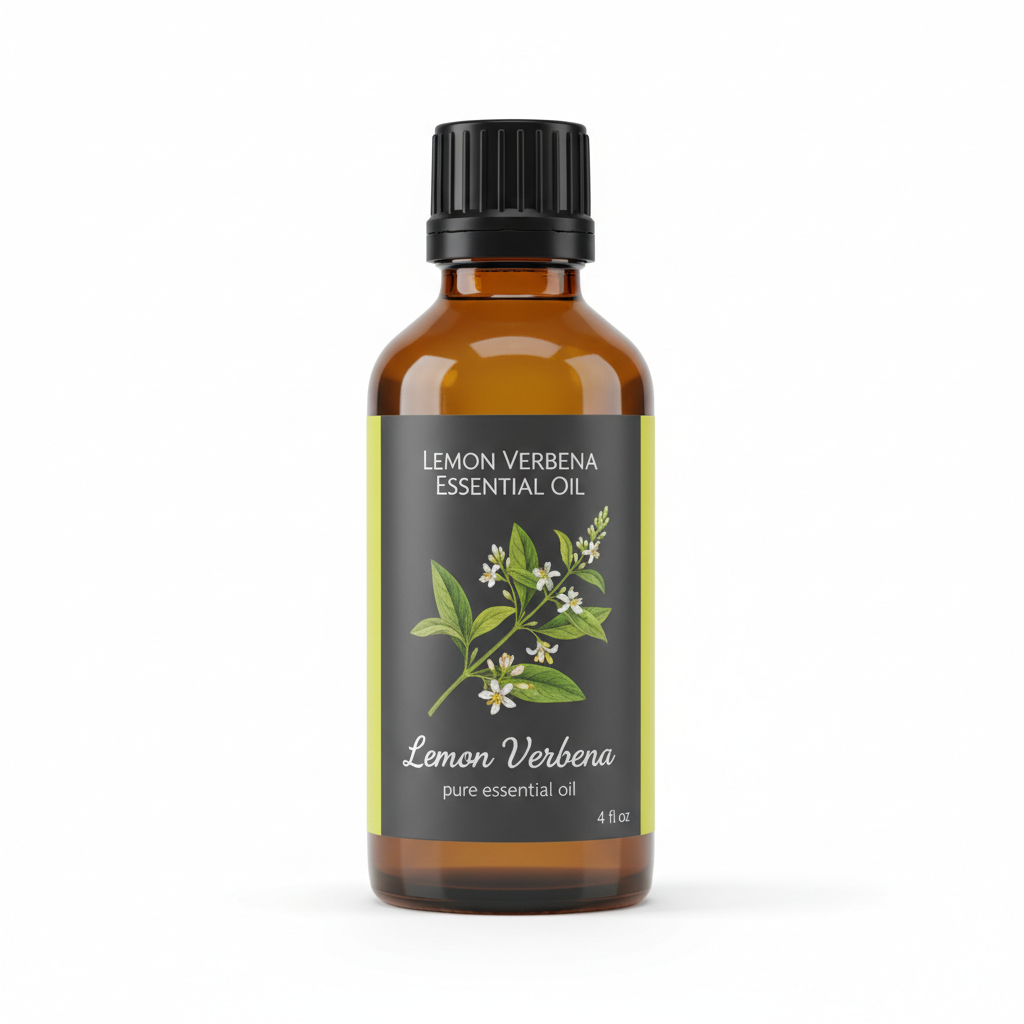
Lemon Verbena Essential Oil
Our own Lemon Verbena Essential Oil, in sizes from 0.5 oz to bulk.
From $12.99
Shop Now →That reaction is completely understandable. Lemon verbena essential oil routinely lists for $30 to $80 per milliliter from reputable suppliers, and a 5 ml bottle from a quality source can easily exceed $150. For anyone accustomed to picking up lavender or sweet orange for a few dollars an ounce, that number feels absurd. It is not. Understanding why lemon verbena oil carries such a high price tag is the first step toward buying it wisely, and toward recognizing the flood of cheap impostors that crowd the market.
The Yield Problem: A Botanical That Hoards Its Oil
Most of the costly essential oils on the market earn that price through scarcity of yield. Lemon verbena (Aloysia citrodora, also sold under the older name Lippia citriodora) is an extreme case. Steam distillation of the fresh leaves and flowering tops produces an oil yield somewhere between 0.03% and 0.08% by weight. In practical terms, that means roughly 1,000 kilograms of fresh plant material yields between 300 and 800 grams of oil.
Compare that to lavender, which yields 1% to 3%, or peppermint at 1% to 2.5%. Even other prized citrus-adjacent oils sit in a more generous range. Lemon verbena sits near the bottom of the yield spectrum for any commercially produced essential oil. Farmers who grow it for distillation are not running a high-volume operation. They are coaxing a small quantity of exquisitely aromatic material from a large acreage of labor-intensive shrubs.
The plant itself does not make this easier. Aloysia citrodora is sensitive to frost, preferring warm, dry climates like those found in Morocco, southern France, Argentina, and parts of Spain. It requires hand-harvesting because mechanical harvesting damages the delicate leaf structure and degrades the volatile compounds before distillation. Labor costs are significant, and harvest windows are narrow.
The Chemistry Behind the Price: What You Are Actually Paying For
Lemon verbena oil contains a complex aromatic profile dominated by geranial, neral (together called citral), limonene, and a compound called verbenalin. The fresh, intensely citrusy top note, paired with a softer, almost floral dry-down, is what perfumers and serious aromatherapy enthusiasts seek. No other single oil replicates it naturally. Lemongrass is sharper and more medicinal-smelling. Litsea cubeba (may chang) shares some citral character but lacks the rounded complexity. Melissa (lemon balm) is closer in botanical family but different in scent and even more expensive.
Because the authentic oil is so scarce and so costly, adulteration is rampant. A bottle labeled "lemon verbena essential oil" is one of the highest-risk purchases in the essential oil market. Suppliers regularly blend lemongrass oil, litsea cubeba, synthetic citral, or Melissa with trace amounts of genuine verbena oil and sell the result as pure. Some bottles contain no verbena oil at all. This is not a fringe problem. Industry insiders consider lemon verbena among the top five most frequently adulterated essential oils globally.
For a full breakdown of common substitutes and how to spot them, read our guides on lemon verbena vs. lemongrass oil and lemon verbena vs. litsea cubeba.
What Quality Looks Like: The Buyer's Checklist
Before you spend significant money on lemon verbena oil, you need a way to evaluate what you are buying. Quality markers fall into a few categories.
Documentation and Transparency
- Gas chromatography/mass spectrometry (GC/MS) report: Any reputable supplier of authentic lemon verbena oil will provide a GC/MS analysis for that specific batch. Look for citral content (geranial plus neral combined) in the range of 25% to 38%, limonene around 10% to 20%, and the presence of caryophyllene and spathulenol as minor components. Absence of a report is a serious red flag.
- Country of origin: Morocco, Argentina, and France are the primary legitimate producers. Some quality oil also comes from Chile and southern Spain. No listed origin is a warning sign.
- Botanical name: The label should read Aloysia citrodora (syn. Lippia citriodora). Generic "lemon verbena oil" with no Latin name leaves you with nothing to verify.
- Distillation method and plant part: Steam distillation of leaves and flowering tops. CO2 extraction exists but is less common; hydrodistillation of fresh material is standard. "Cold pressed" lemon verbena oil does not exist. If you see that claim, walk away.
Scent Profile
Authentic lemon verbena oil smells like fresh lemon zest with a green, herbaceous edge and a soft floral undertone that emerges as it dries down. It is bright without being harsh. The citral note is present but balanced. If the oil smells aggressively sharp, flat, or one-dimensional, you are likely smelling lemongrass, litsea cubeba, or synthetic citral. If it smells sweet and candy-like, that is another red flag pointing toward a synthetic additive.
Price as a Quality Signal
This is where many buyers go wrong. Because lemon verbena oil price is so high, buyers naturally look for cheaper options. The problem is that a legitimately priced bottle signals that the supplier actually paid for the raw material. A significantly underpriced bottle almost guarantees adulteration. Use price as a rough floor, not a guarantee, but recognize that anything under $20 for 5 ml warrants deep skepticism.
Key Features to Compare When Shopping
| Feature | What to Look For | Red Flag |
|---|---|---|
| GC/MS report | Batch-specific, downloadable or on request | No report, or a generic non-batch report |
| Botanical name | Aloysia citrodora clearly stated | Only common name listed |
| Origin | Morocco, Argentina, France, Spain | "Various origins" or no origin listed |
| Price per ml (5 ml bottle) | $25 to $60+ per ml from specialist suppliers | Under $5 per ml from any source |
| Supplier type | Botanical specialist, aromatherapy supplier with reputation | Generic marketplace seller with no verifiable background |
| Scent description | Specific, accurate, mentions herbaceous and floral nuances | Vague "fresh lemon" description identical to lemongrass listings |
| Bottle and packaging | Dark glass (amber or cobalt), proper dropper or orifice reducer | Clear plastic or light-permeable packaging |
Top Picks at Different Price Points
Rather than naming brands (supplier quality and stock change frequently), this section describes the tiers you will encounter and what each typically offers.
Entry Level: $30 to $60 for 1 ml
At this tier, you will find smaller specialist aromatherapy suppliers and a handful of well-regarded online retailers who stock genuine oil in very small quantities. Expect a GC/MS report to be available on request rather than immediately downloadable. Scent quality at this tier is often good, but batch consistency can vary. This is a reasonable starting point for someone new to lemon verbena who wants to verify authenticity before committing to a larger purchase. Always ask for the GC/MS before buying, even if the site does not list it prominently.
Mid Range: $60 to $120 for 2 to 5 ml
The most reliable tier for quality buyers. Suppliers here typically source directly from distillers or work with established import relationships. GC/MS reports are usually batch-specific and downloadable without asking. Scent profiles at this level are often noticeably more complex and true to the plant. Several well-known UK, French, and US aromatherapy houses operate in this range.
Premium and Perfume Grade: $150 and up for 5 ml
At the top of the market, you encounter perfumery-grade lemon verbena oil sourced from specific distilleries in Morocco or Argentina, sometimes with vintage-year notation. These suppliers serve the natural perfumery community and operate with a level of botanical specificity that matches what you would find in high-end French fragrance sourcing. The oil at this tier can show remarkable aromatic nuance and extended shelf stability. If you are blending for serious cosmetic or fragrance work, this is worth the investment.
Red Flags: What to Avoid
The lemon verbena market has more pitfalls than almost any other essential oil category. Keep this list somewhere visible while shopping.
- Prices that seem too reasonable: If the lemon verbena oil price looks comparable to lavender or eucalyptus, it is not genuine. The raw material cost alone makes parity pricing with common oils impossible.
- Large bottle sizes: Authentic lemon verbena oil is rarely sold in quantities above 10 ml from specialty suppliers because inventory turns are small. A 30 ml bottle at a low price should raise immediate questions.
- No botanical name on label or listing: This is standard practice for reputable suppliers. Absence is a deliberate obfuscation technique.
- "Fragrance oil" or "nature identical": These are not essential oils. Fragrance oils are synthetic constructions. They have uses in candle-making and soap, but they are not interchangeable with genuine botanical extracts.
- Marketplace platform listings with no supplier backstory: General e-commerce marketplaces are the primary distribution point for adulterated oils. This does not mean all marketplace listings are fraudulent, but it means the verification burden is entirely on you.
- Scent described as identical to lemon: Lemon verbena is not lemon. If a supplier cannot articulate the distinction, they may not know what they are selling.
Where to Buy Lemon Verbena Essential Oil
Specialty aromatherapy suppliers remain the most reliable source. Look for companies that list their supply chain, provide downloadable GC/MS data, and have been operating for more than a few years. The natural perfumery community maintains informal supplier reputation lists, and those forums are worth browsing before making a significant purchase.
Direct-from-distillery purchasing is possible for buyers in Europe, particularly for Moroccan oil, and some North American suppliers work directly with Argentinian producers. If you find one of these relationships, the provenance documentation is usually excellent.
Our comprehensive guide to buying lemon verbena essential oil covers specific supplier vetting steps in more detail, including what questions to ask before placing an order.
A Note on Skin Safety for Cosmetic Use
Lemon verbena oil is photosensitizing. This means it may increase skin sensitivity when used in products applied to areas exposed to sunlight. The industry standard recommendation is to avoid sun exposure on skin where lemon verbena oil has been applied at skin-contact concentrations. Always dilute properly in a suitable carrier oil or cosmetic base before any skin application. Standard safe dilution for leave-on products is typically cited at 0.2% or lower by industry safety bodies such as IFRA. Perform a patch test before broader use. Consult a qualified cosmetic formulator or aromatherapist for personalized guidance.
A genuine bottle of lemon verbena essential oil represents hundreds of kilograms of hand-harvested plant material, a low-yield distillation process, and a supply chain that spans continents. The price is not a markup. It is an honest reflection of what the oil actually costs to produce. Knowing that makes it easier to trust the expensive bottle and distrust the cheap one.
The Bottom Line on Lemon Verbena Oil Price
Lemon verbena oil is expensive because it is genuinely difficult to produce, yields a tiny fraction of what common oils yield per harvest, and faces constant pressure from adulteration that complicates the market for everyone. For buyers who want the real thing, the path forward is simple: prioritize documentation over price, buy from specialists who can demonstrate their supply chain, and consider a GC/MS report as a non-negotiable starting point rather than a bonus feature.
The oil rewards patience. When you find a legitimate source, the scent is worth every penny of the lemon verbena oil price, and it is an experience that no cheap substitute honestly delivers.