Lemon Verbena Oil FAQ: Your Top Questions Answered
Lemon verbena oil raises the same handful of questions again and again, and most have short answers. Here they are in one place, with links to the longer articles when you want the detail.
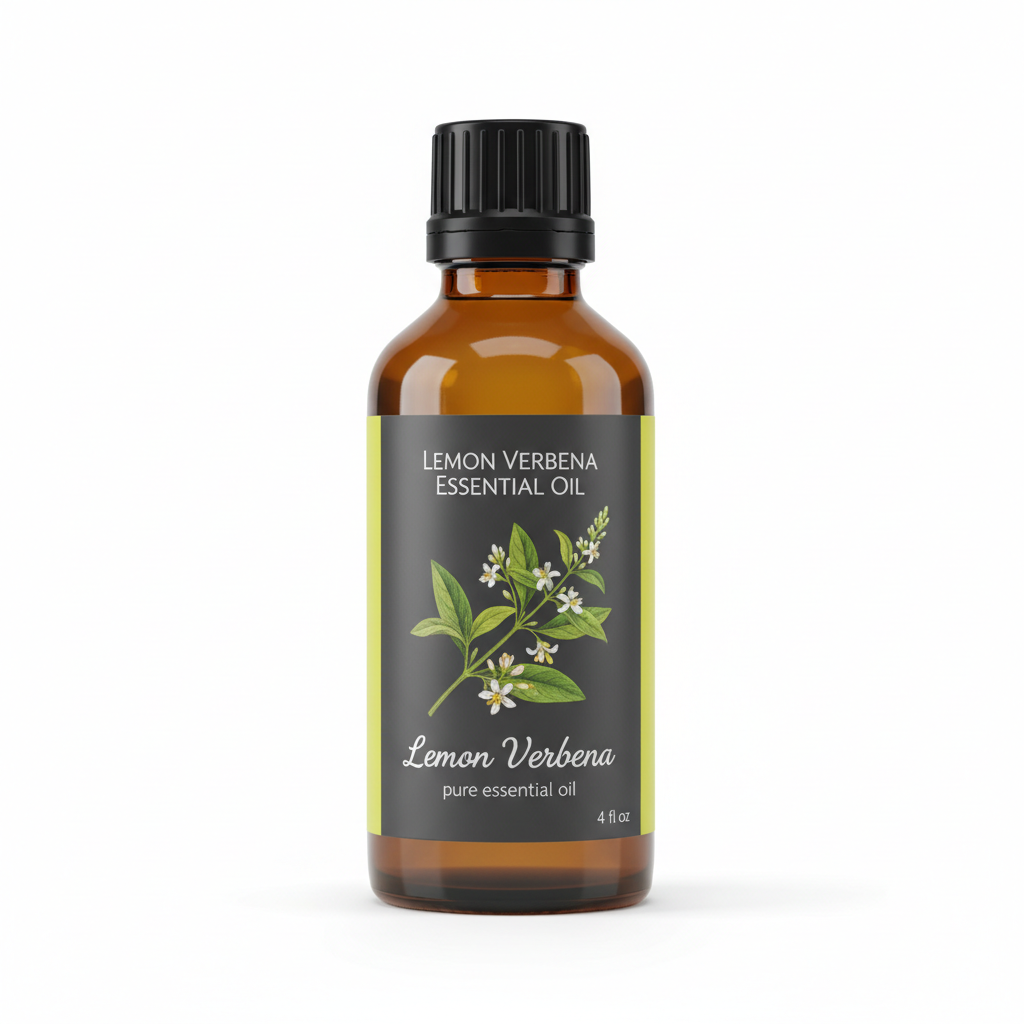
Lemon Verbena Essential Oil
Our own Lemon Verbena Essential Oil, in sizes from 0.5 oz to bulk.
From $12.99
Shop Now →The plant and the oil
What plant does it come from?
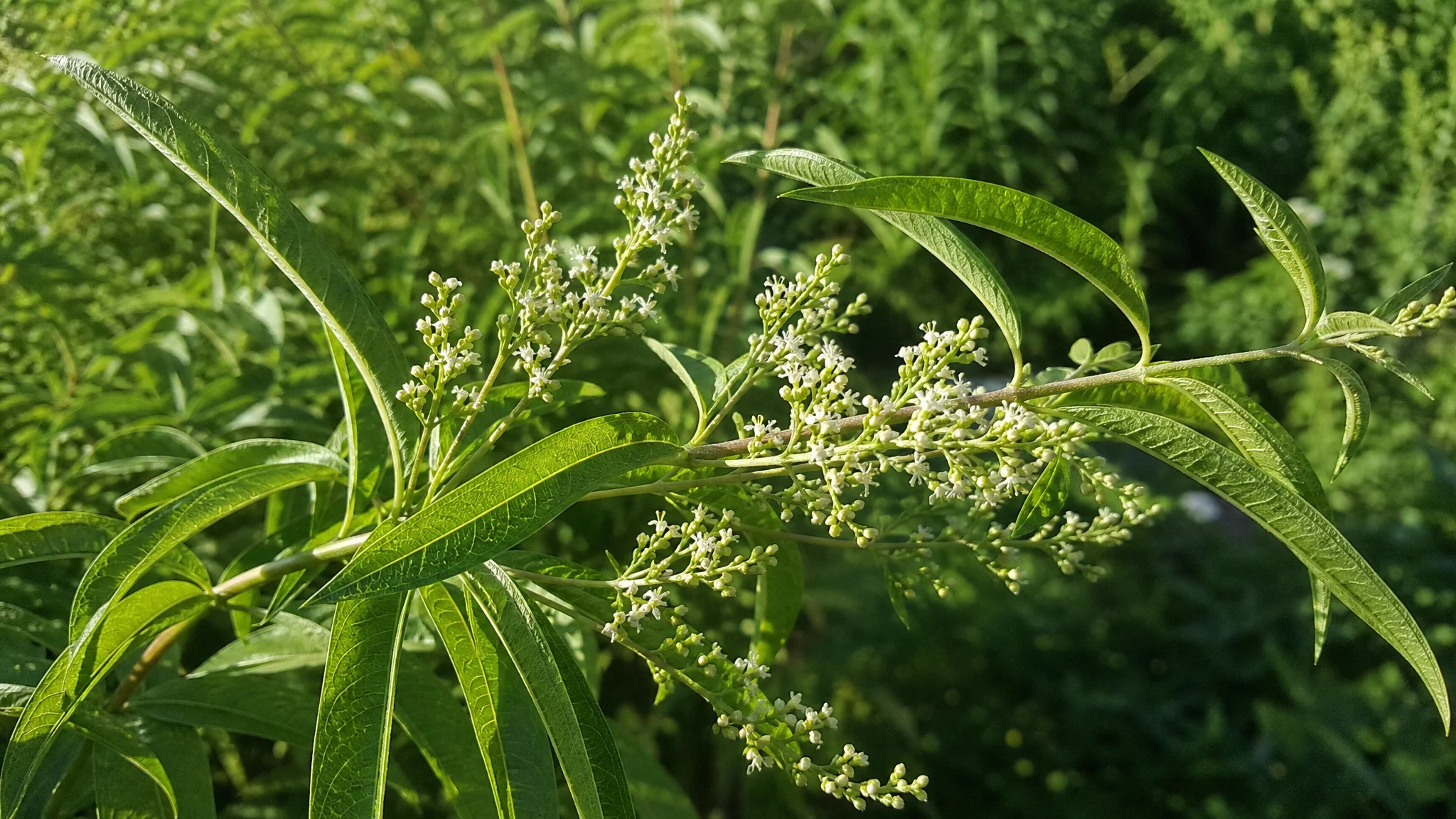
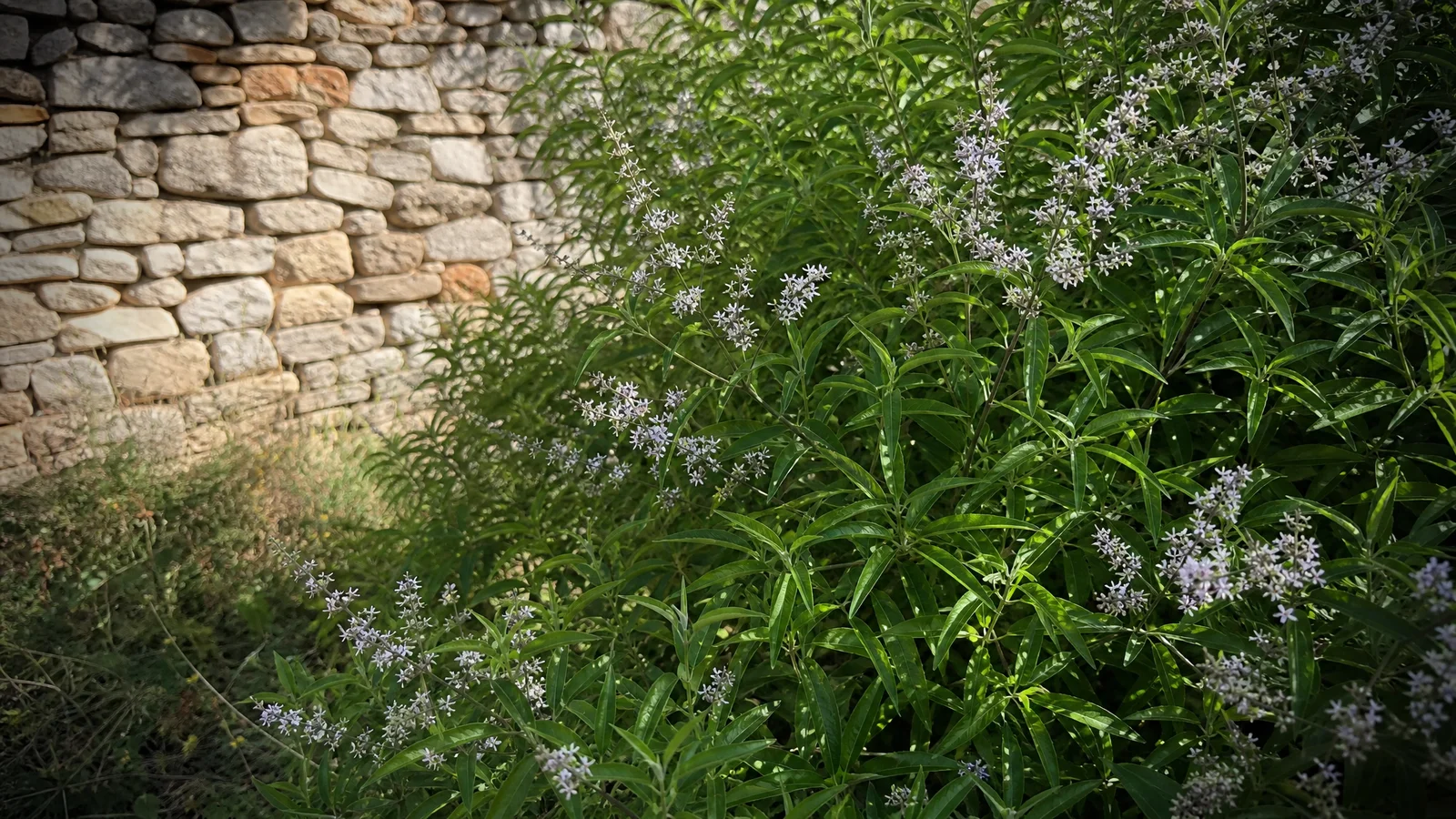
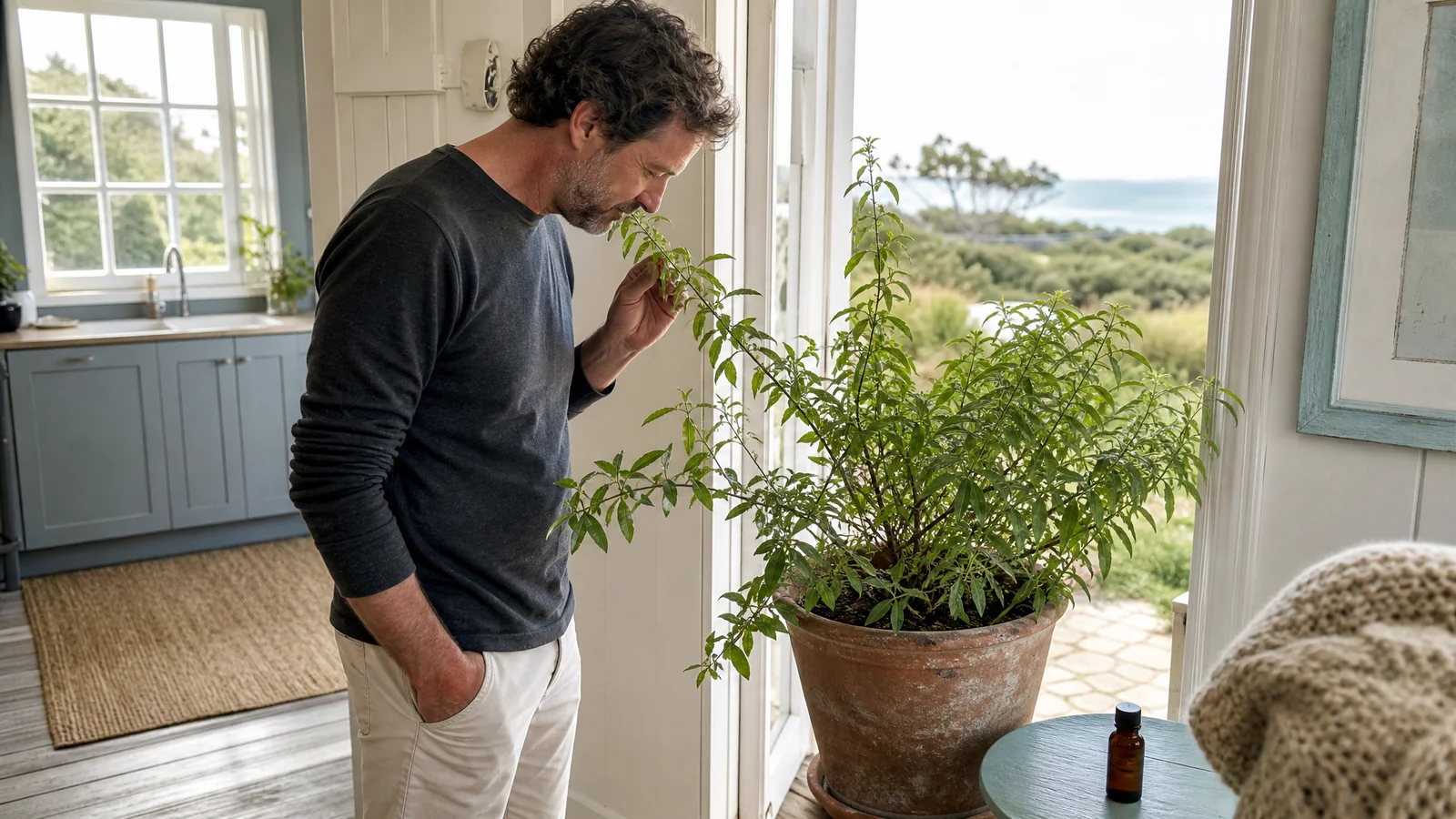
The shrub Aloysia citrodora, in the Verbenaceae family. Older books and regulations call it Lippia citriodora or Aloysia triphylla, as the European Medicines Agency's monograph lists. Our oil is steam-distilled from the leaves. Our name mix-ups article sorts it from vervain, lemongrass and lemon balm.
Why is it so scarce?
The leaves give up very little oil. Dried Ecuadorian leaf gave 0.18% by a two-hour distillation, and commercial dried Portuguese leaf gave 1.05% by classic distillation and 1.29% by a microwave method. Even the generous figure means about 77 pounds of dry leaf per pound of oil, and the lowest means roughly 556 pounds (our arithmetic). For current prices, see the shop page. The yield article goes through it.
Rules and safety
Is it restricted anywhere?
As a fragrance ingredient, yes. IFRA's Standard says verbena oils "should not be used as a fragrance ingredient, based on its sensitizing and phototoxic potential," and a 2009 EU directive keeps verbena essential oils other than the absolute off the permitted list for cosmetics. Our IFRA article reads the text.
How many drops make 0.5% to 2%?
Our skin dilution guidance is 0.5% to 2% in a carrier oil, patch test first, which is roughly 3 to 12 drops per ounce of carrier on the 20-drops-per-ml convention. We start at the low end and would not call 2% safe, because IFRA's citral Standard caps citral at 0.15% in body oils and lotions. If an oil is 34.0% citral, that ceiling is about 0.44% oil, around 2.6 drops per ounce; at 47.8%, about 0.31%, or 1.8 drops. Those are example oils, not our batch (arithmetic). The body oil article works it through.
What about children, pregnancy and pets?
Our advice is to keep the oil away from all three. The EMA says use of the leaf as a tea in children has not been established and that pregnancy and lactation use is not recommended for lack of data. Ask a paediatrician, an OB/GYN or midwife, or a veterinarian as appropriate, and see our safety guide.
Can I use it in food or tea?
No, ours is for external use. The leaf is the food ingredient; see our ingestion article.
Smell and everyday use
What does it smell like?
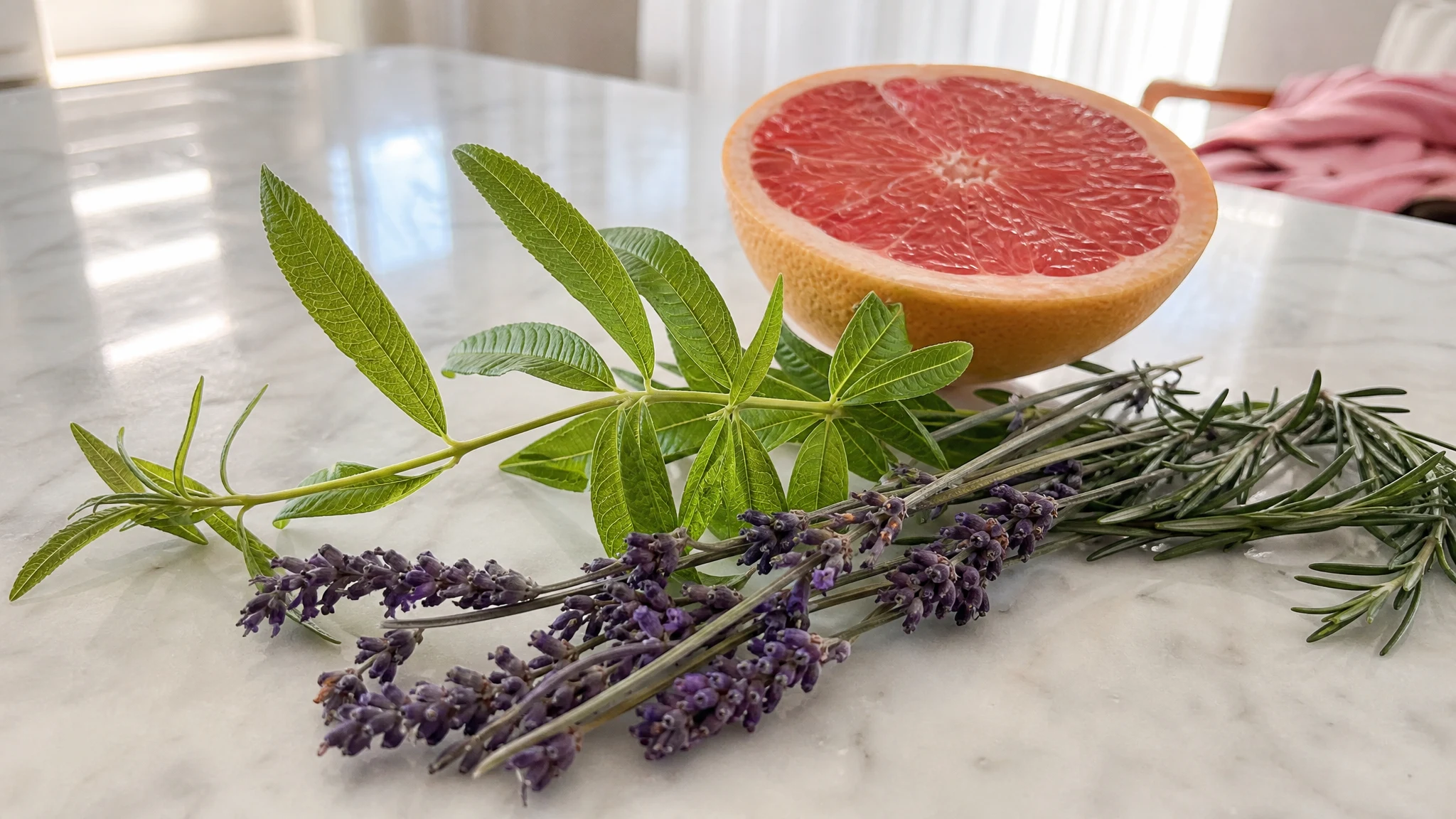
We describe it as sparkling, sweet and lemony over a soft herbal-floral heart. Open the bottle and you will notice that it is brighter and rounder than the peel of a lemon, with less of the sharp, acidic bite. Give it a moment after the first sniff, because the green, leafy side tends to show up second.
Where does it fit in a scent?
It sits in the top to middle of a fragrance, so it makes a lively opening and fades a little faster than a woody base. Perfume makers often pair it with soft florals and woods, and we list neroli, lavender, geranium, cedarwood and sandalwood as blends that work well. We sell only the lemon verbena oil, so the partners come from a perfumery or craft supplier.
How should I handle it day to day?
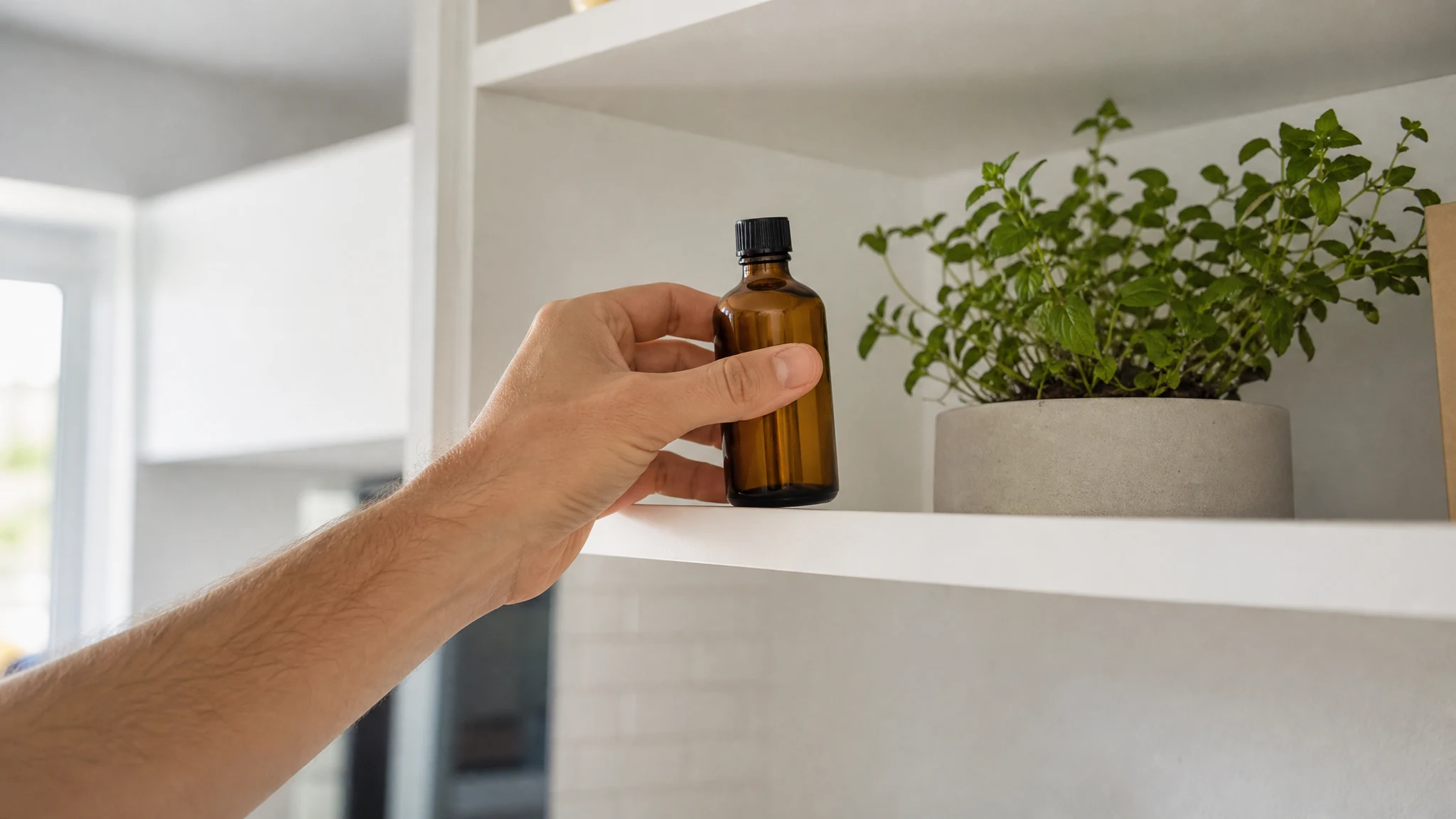
Treat it like any concentrated aromatic: cap it right away, keep it cool and dark, and wipe drips off the bottle neck so the cap does not stick. If you work with it often, decanting a little into a smaller airtight bottle keeps the main supply from taking in fresh air every time.
Is it a strong scent?
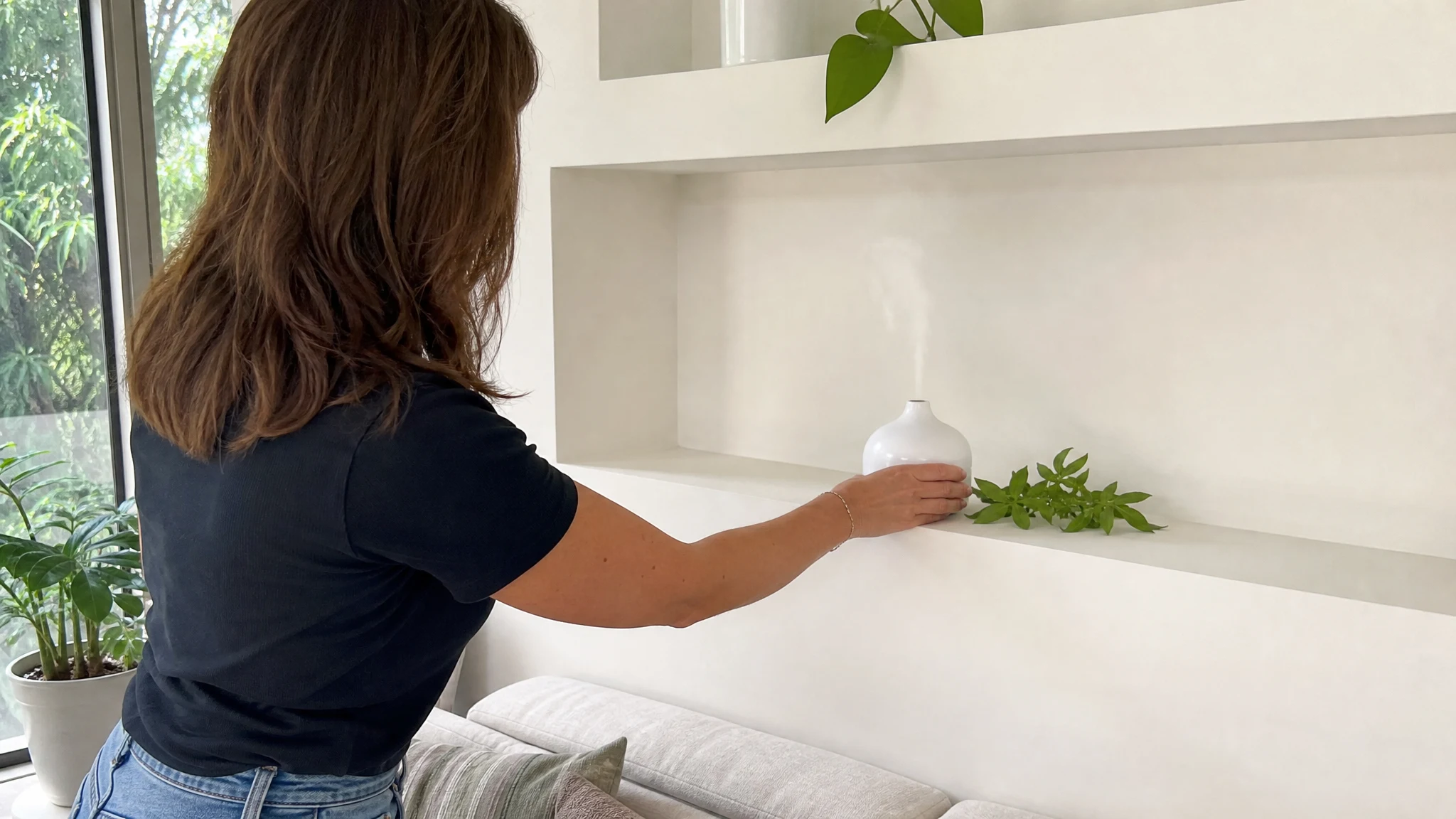
It carries well for such a small amount, so start with less than you think you need. A single drop on a cotton pad will scent a small room corner, and you can always add another after a few minutes, once your nose has settled.
Buying and keeping
What does the Certificate of Analysis show?
The certificate we publish for one batch lists appearance, smell, a relative density of 0.869 and a refractive index of 1.472, each within the standard it prints. If you need GC-MS or citral data, ask us in writing through the contact page before ordering, and keep the answer in writing. Our label and GC-MS article explains what to look for.
How long does a bottle last?
Typically 1 to 2 years kept tightly capped in a cool, dark place. Note the date you open it. Oxidation takes quality down gradually, and a bottle that smells flat or sour is past use on skin. Our storage article has the detail.
Do you offer samples and larger quantities?
Yes. Sizes run from 0.5 oz up to bulk pails and drums, and our bulk and wholesale pages describe samples, private label and a consultation form.
If your question is not here, write to us, and for anything about health, ask the relevant professional first.
Lemon Verbena Essential Oil
Lemon Verbena Essential Oil from our own shop, in sizes from 0.5 oz to bulk.
From $12.99
Shop Now →Sources & Further Reading
- European Union herbal monograph on Aloysia citrodora Paláu (syn. Aloysia triphylla (L'Hér.) Kuntze; Verbena triphylla L'Hér.; Lippia citriodora Kunth), folium, EMA/HMPC/376770/2019, 13 January 2021
- IFRA Standard: Verbena oil and absolute (Lippia citriodora Kunth.), 2020 (Amendment 49)
- IFRA Standard: Citral, 2020 (Amendment 49)
- Commission Directive 2009/164/EU of 22 December 2009 amending, for the purpose of adaptation to technical progress, Annexes II and III to Council Directive 76/768/EEC concerning cosmetic products
- Chemical Profiling, Sensory Qualities, and Bioactivities of Essential Oils Obtained from Aloysia citrodora and Bursera graveolens Ecuadorian Plants Against the Mosquito Aedes albopictus (Skuse) (Diptera: Culicidae), Insects, 2025
- Volatile Compounds and Biological Activity of the Essential Oil of Aloysia citrodora Paláu: Comparison of Hydrodistillation and Microwave-Assisted Hydrodistillation, Molecules, 2023