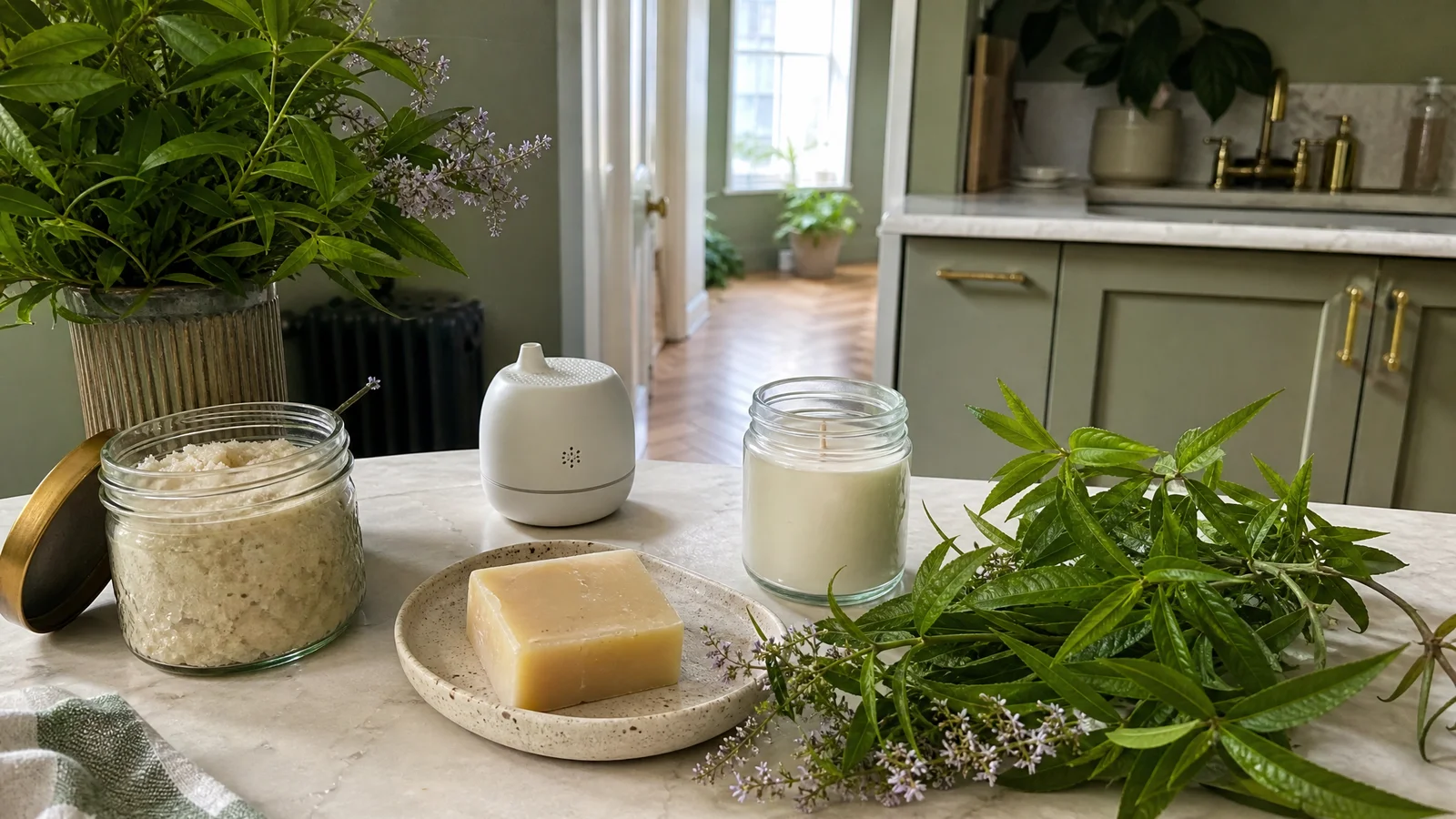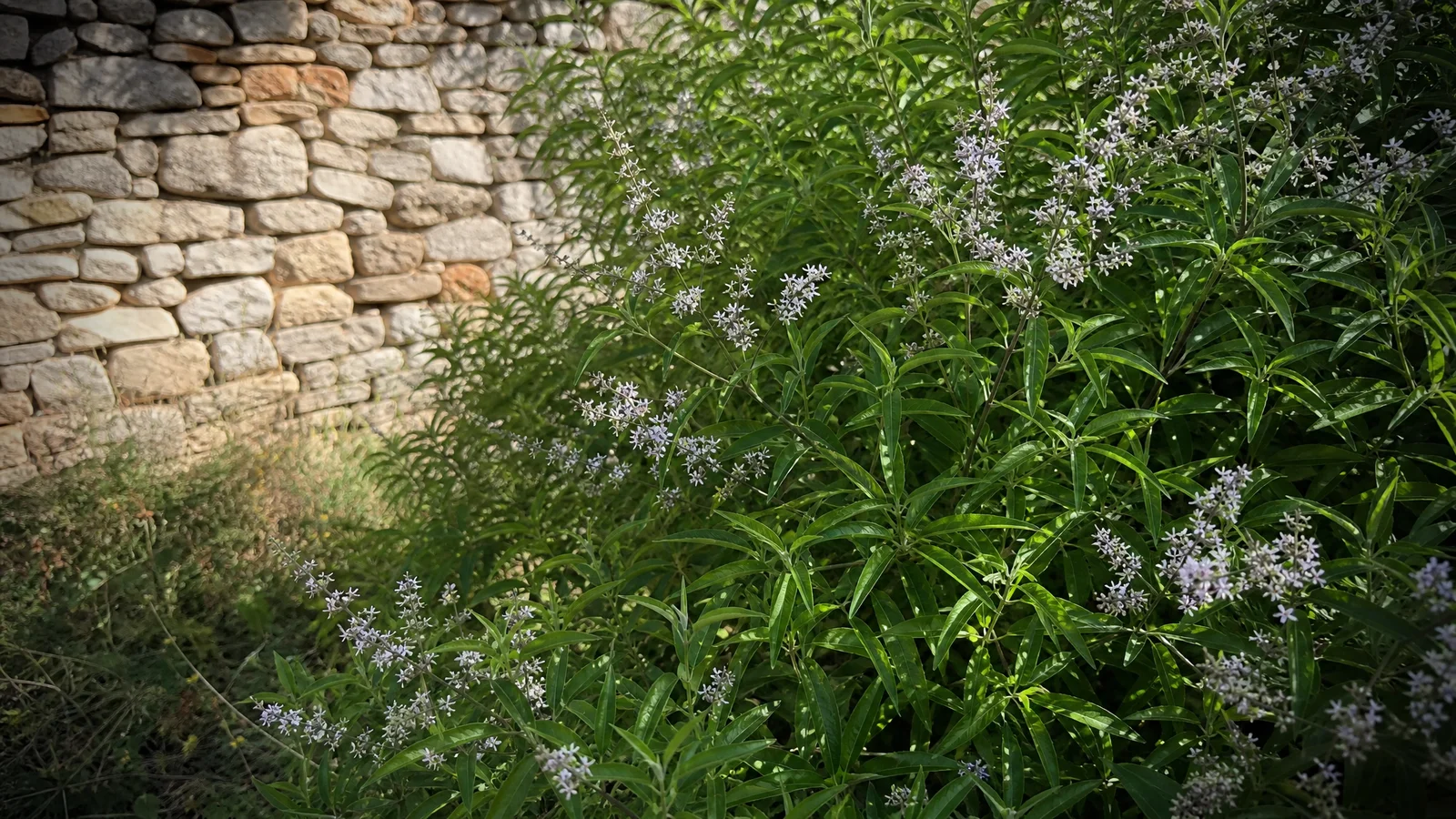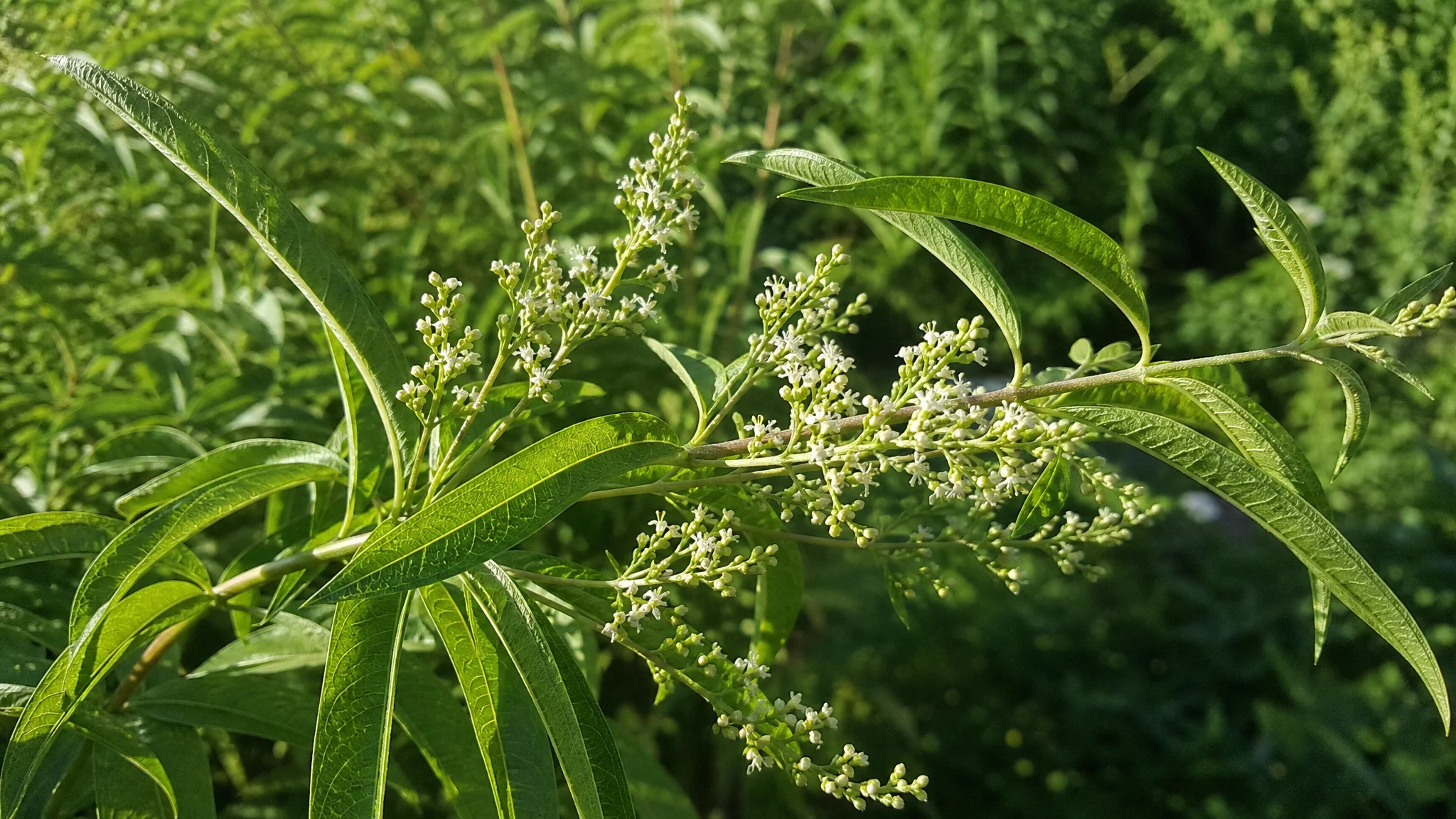
What Is Lemon Verbena Essential Oil? A First Look
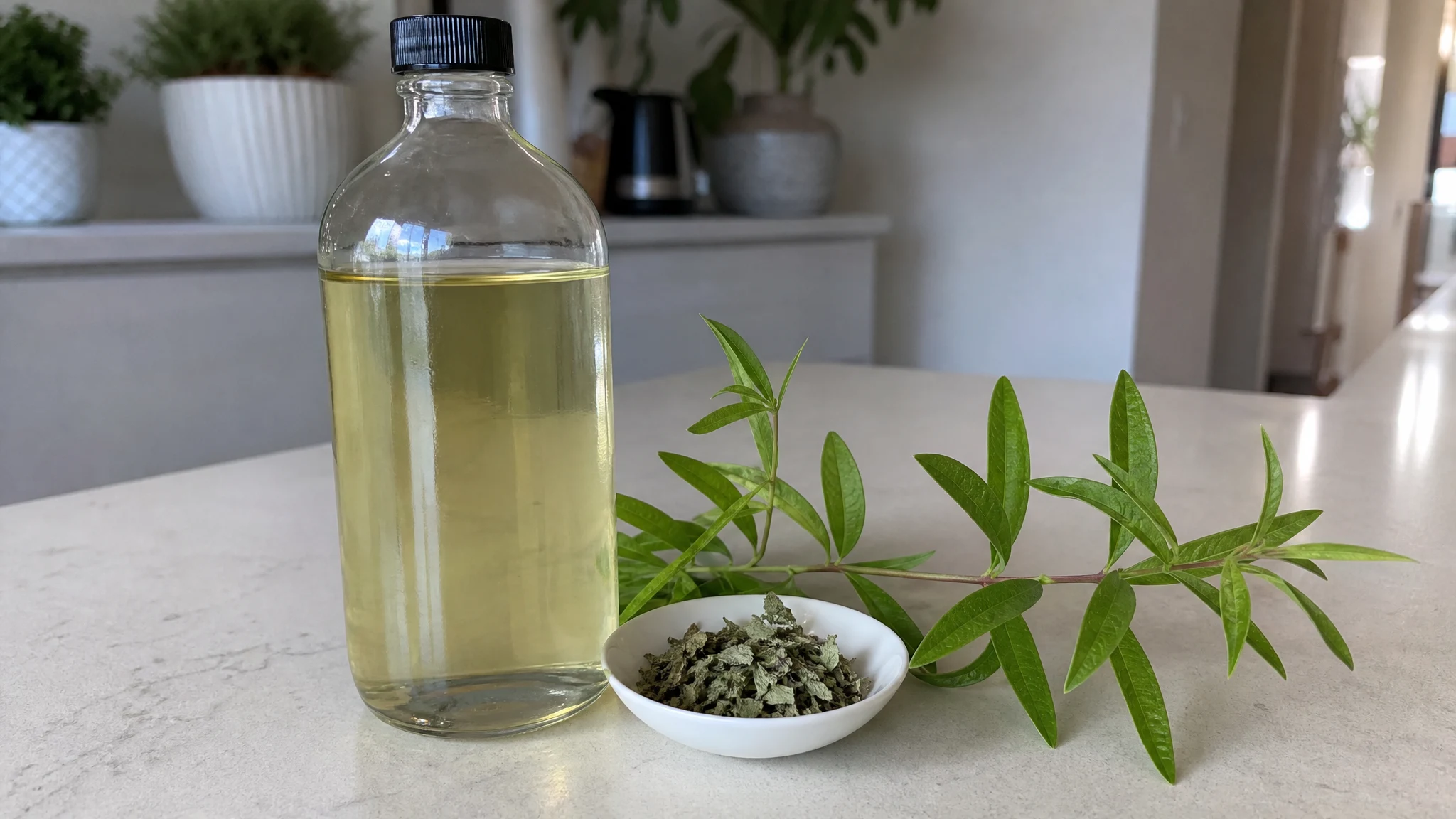
Lemon verbena essential oil is the fragrant distillate of a leafy South American shrub, and it smells the way a lemon-scented garden feels on a warm afternoon: bright and sweet, with something green and softly floral underneath. If you are meeting it for the first time, a few things are worth knowing before the bottle arrives.
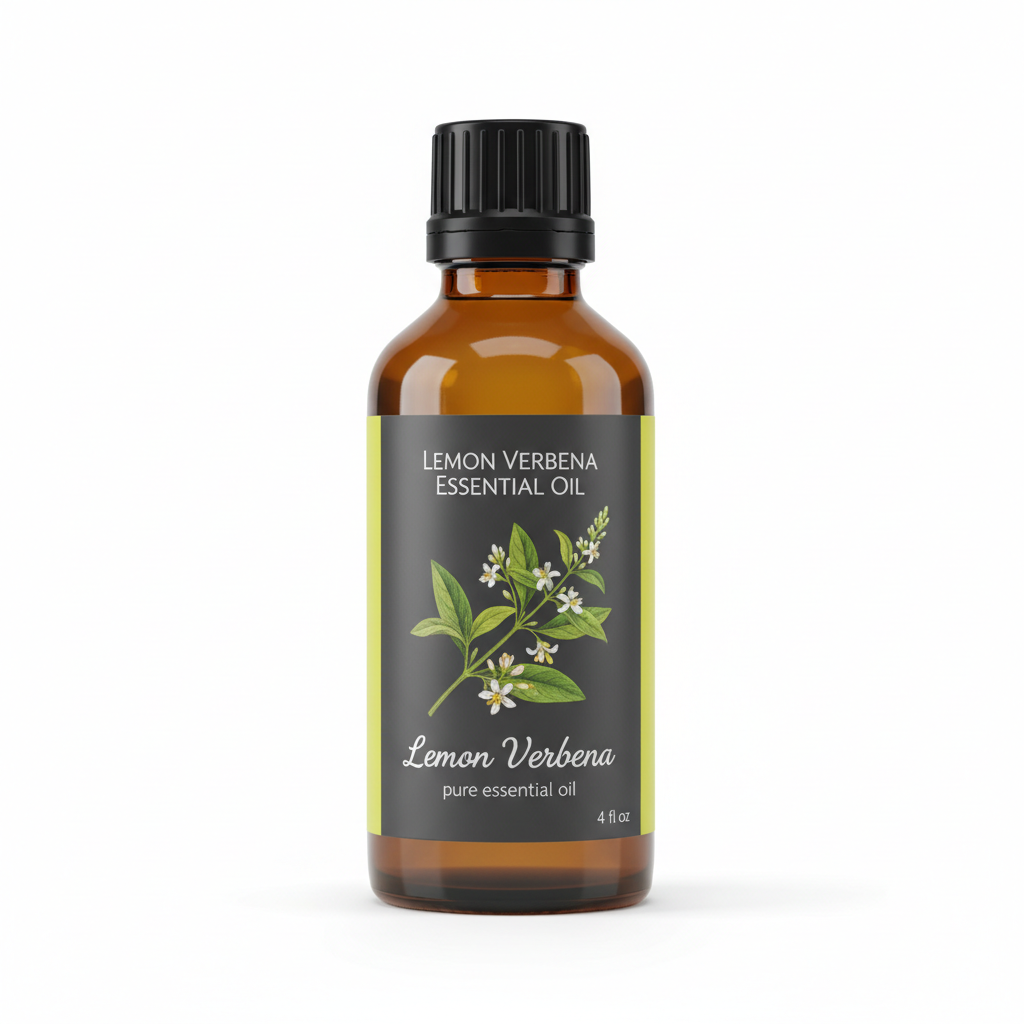
Lemon Verbena Essential Oil
Our own Lemon Verbena Essential Oil, in sizes from 0.5 oz to bulk.
From $12.99
Shop Now →A plant with many names
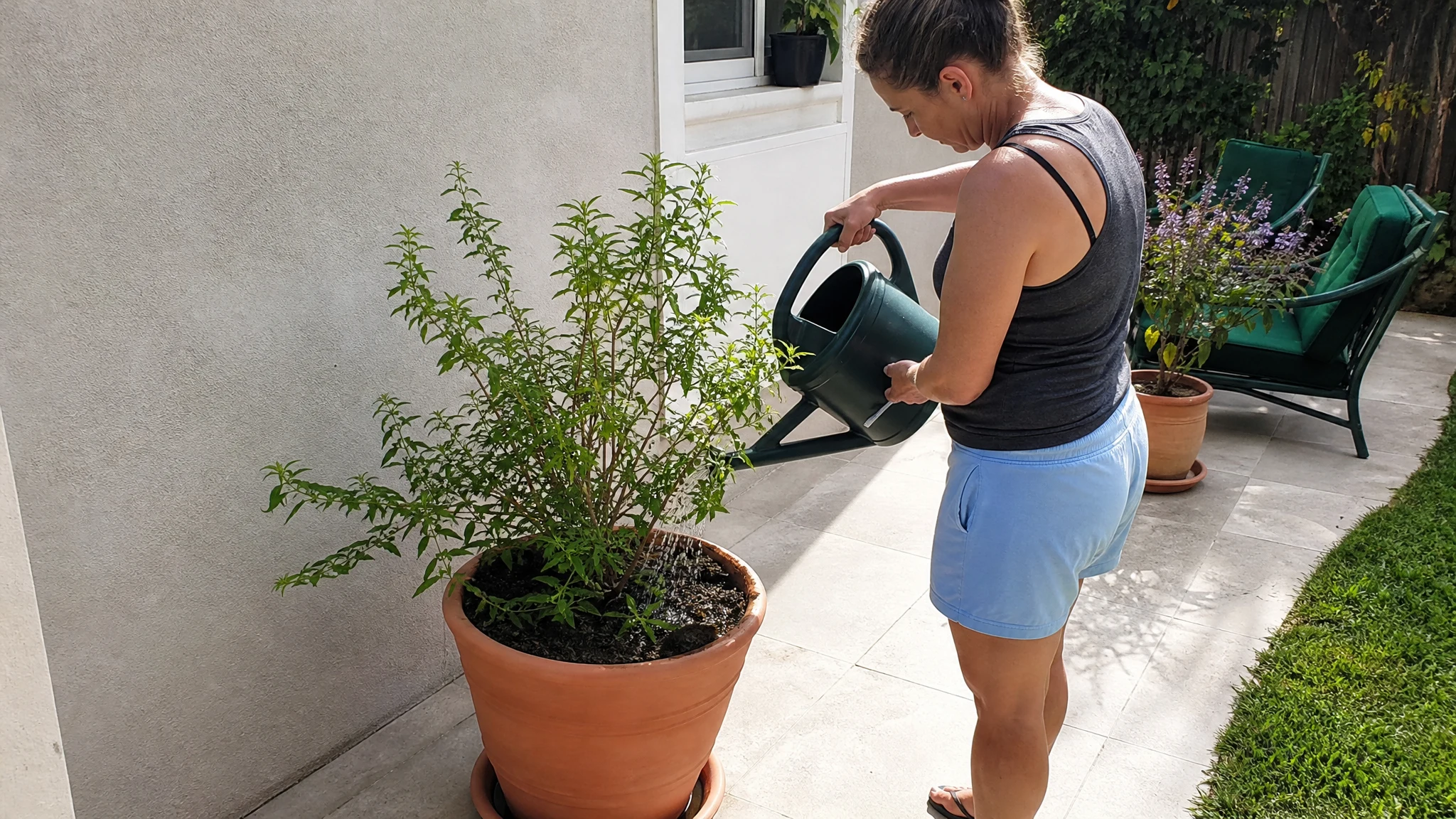
The accepted botanical name is Aloysia citrodora Paláu. The Global Biodiversity Information Facility lists 17 synonyms for it, including Lippia citriodora, Aloysia triphylla and Verbena triphylla. IFRA's standard still uses Lippia citriodora Kunth. and the plant is also spelled "citriodora" in plenty of places, so a label or search that uses only one version can miss the others. All point to the same shrub. "Verbena" alone can mean a different plant, which our myths article sorts out.
Where the oil comes from
We list our oil as steam-distilled from the leaves. Published studies mostly use a laboratory version of distillation in which the leaf sits in boiling water. Yields are small. One Portuguese study recovered about 1.05% to 1.29% oil from dried leaf depending on method, and a study of five Moroccan sites found 0.1% to 0.2%. A great deal of leaf goes into a little oil, which is part of the story we tell in our yield article.
What is in the bottle
This is where lemon verbena gets interesting. There is no single recipe for the oil. The sample from Ecuador was led by geranial (26.8%) and neral (21.0%) with limonene and bicyclogermacrene behind them. Portuguese leaf gave geranial and neral at roughly 34% to 37% together, with spathulenol, limonene and 1,8-cineole in support. Five Moroccan oils had no geranial detected and were rich in spathulenol and caryophyllene oxide.
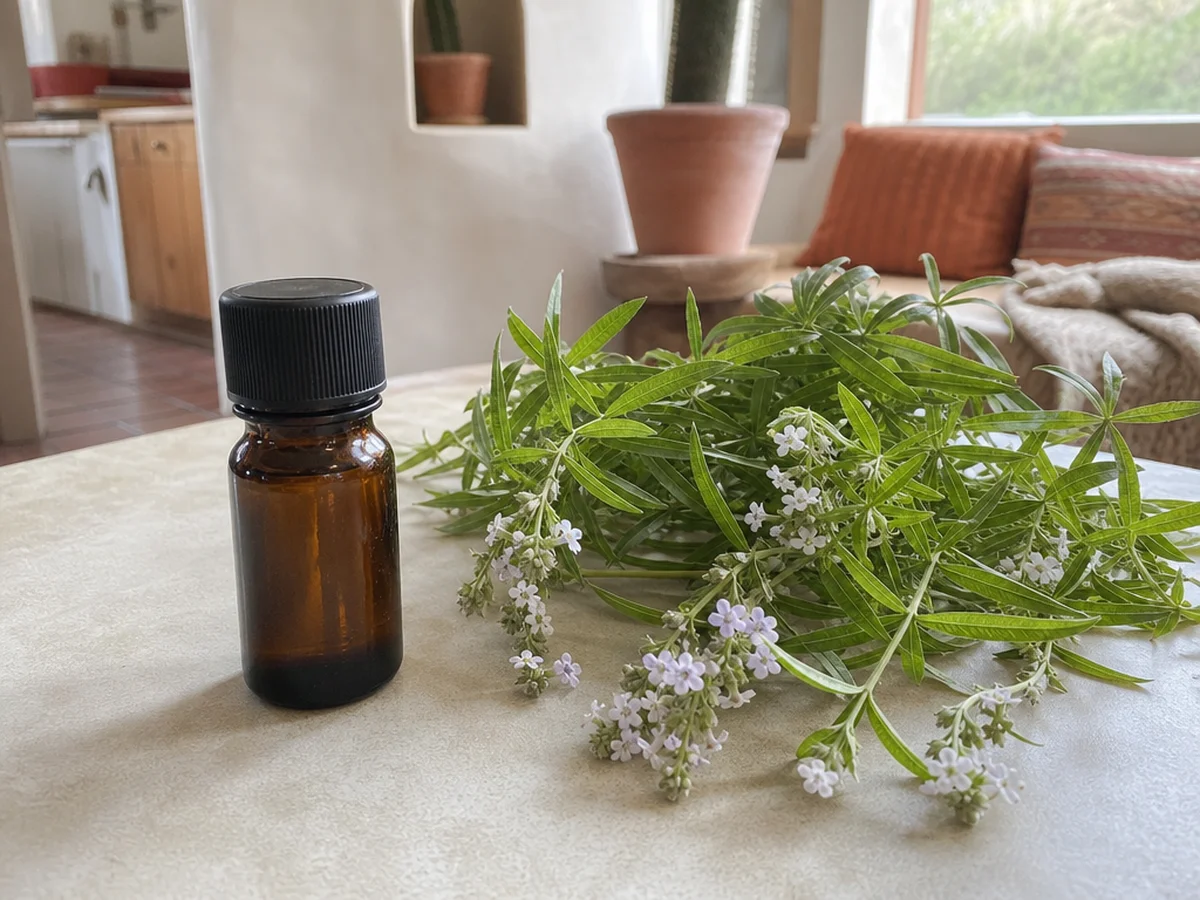
What that means for a buyer is practical: the plant's name tells you the species, but a composition report tells you the sample. The Certificate of Analysis we publish for one batch records a relative density of 0.869 and a refractive index of 1.472. If you need compound-level numbers for your project, please ask us in writing through the contact page before ordering, and see our guide to reading a GC-MS report.
What it smells like
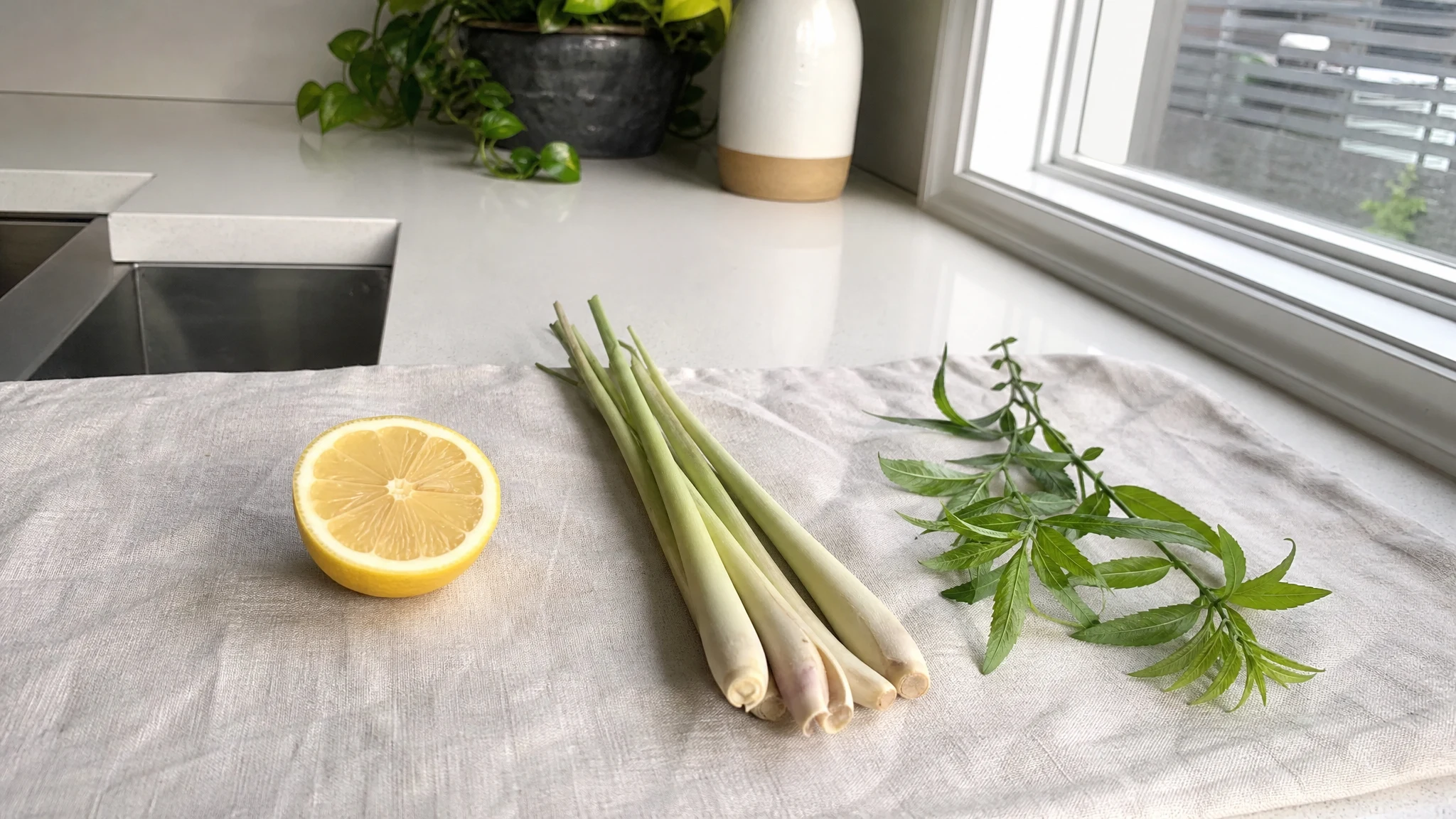
We describe our oil as sparkling, sweet and lemony over a soft herbal-floral heart, more polished and less acidic than lemon peel oil, and we place it as a top-to-middle note in perfumery. In the one trained sensory panel we found, eight assessors smelling an Ecuadorian oil described lemon, candied lemon, lemongrass, orange blossom, mint and sweet pastry notes. The two descriptions overlap nicely. Our scent profile takes the aroma further.
Open the bottle and notice
When the bottle arrives, hold it a little way from your nose instead of leaning right in. You will probably notice the sparkling lemon first, then a sweeter, rounder layer, and after a minute something softer and leafy that feels closer to a flower than to a fruit. Put one drop on a paper strip, set it down, and come back after ten minutes and again after an hour. The bright opening fades and the herbal-floral heart steps forward. That slow change is why we call it a top-to-middle note, and it is the quickest way to learn what is in your bottle.
How to use it well
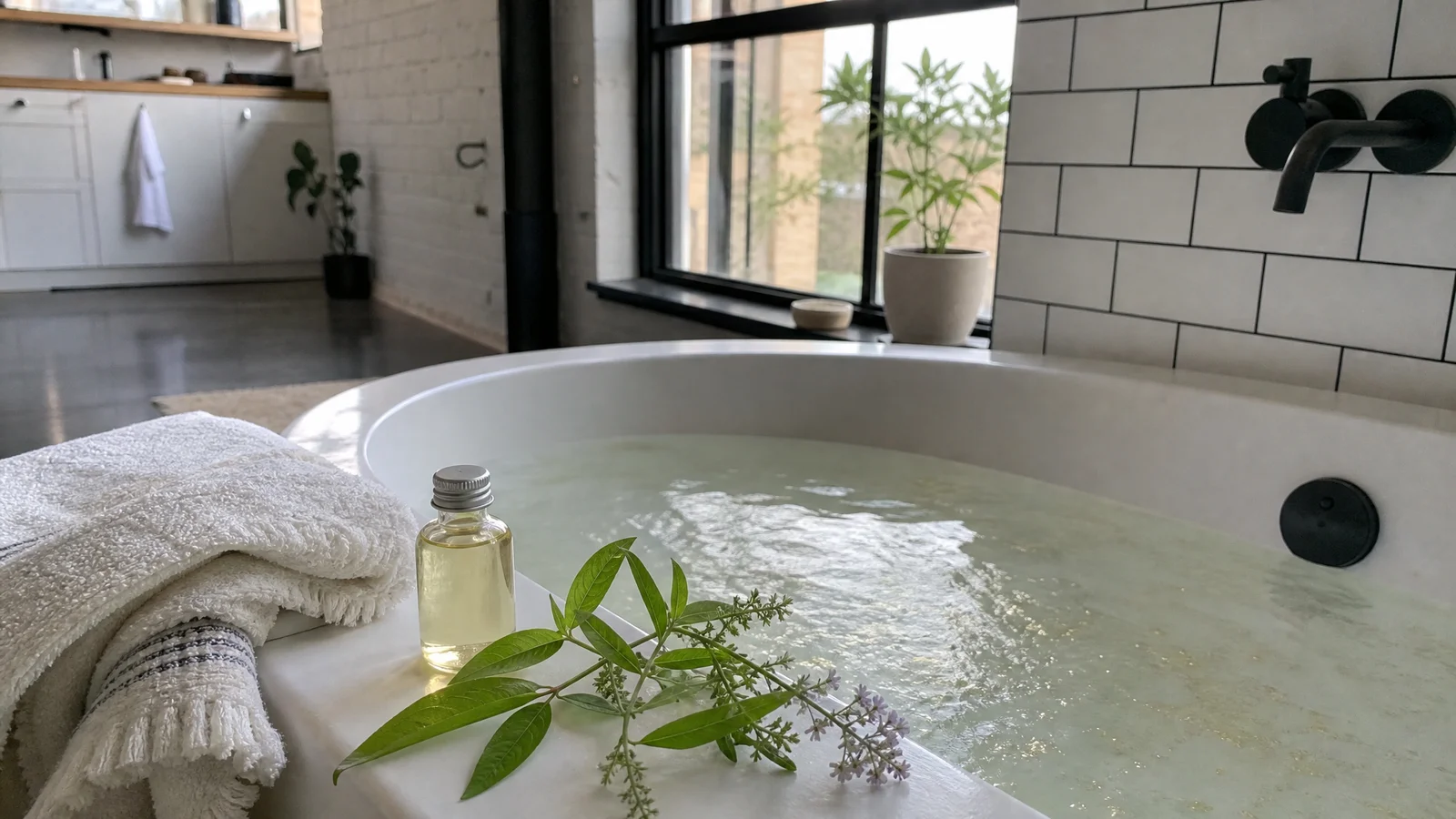
Lemon verbena oil suits people who enjoy making their own perfume, diffuser blends, candles and lightly scented body care. A little goes a long way. For skin, we recommend diluting to 0.5% to 2% in a carrier oil, starting at the low end, patch testing first, and keeping treated skin out of strong sun, because verbena can be mildly photosensitising. Our oil is for external use only and should be kept away from eyes, children and pets.
It also helps to know the rules. IFRA's standard says verbena oils should not be used as a fragrance ingredient because of their sensitizing and phototoxic potential, and only the absolute has category limits. That makes the oil a personal craft material rather than something to build products for sale around. The safety guide covers the practical side. FDA, for its part, says there is no regulatory definition for "essential oils" and that fragrance can appear on a label simply as "Fragrance", so asking a supplier for specifics is always a good habit.
Get to know it on its own
We sell one oil, and we would rather you came to know it well than collected ten. Our recommendation is to smell it by itself for a week or two before you blend it with anything, so that you recognise it later when it is hiding inside a mixture. Keep the cap tight, keep the bottle somewhere cool and dark, and write the date you opened it on the label. Those small habits cost nothing, and they make a bottle feel familiar by the time you are halfway down it.
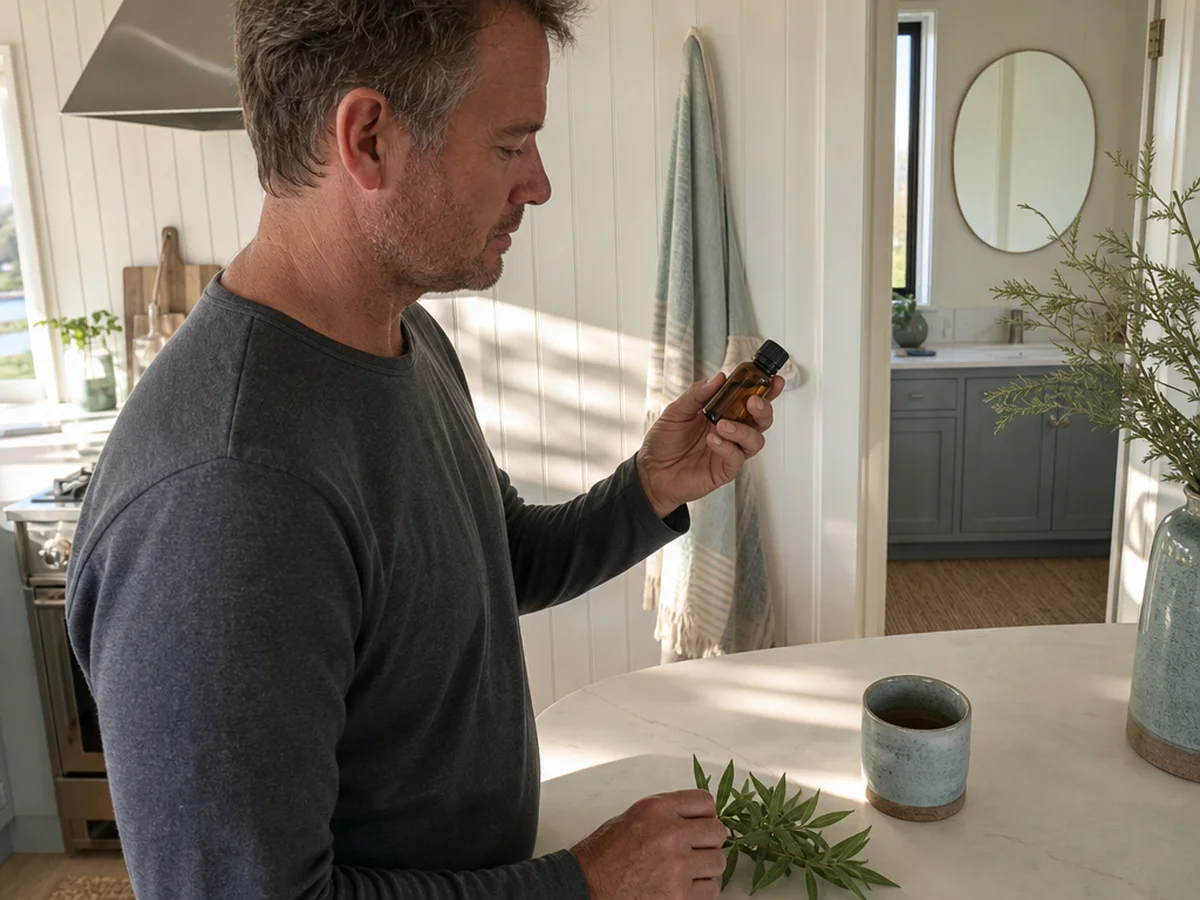
It also helps to decide on one small project for the first bottle, a diffuser blend or a scented candle or a handmade perfume for yourself, and let that project teach you how much oil you really need. Most people find the answer is less than they expected.
Is it right for you?
If you want a lemon with sweetness and a floral heart for your own projects, yes. If you want a documented ingredient for a product you will sell, read the IFRA article first. If the goal is a health effect, a pet or a child is involved, or you are pregnant, ask the relevant professional: this is a cosmetic and craft oil and not a remedy.
The simplest takeaway is that lemon verbena rewards curiosity. Ask for the plant name and the part used, and enjoy the way a few drops can turn a whole room into a lemon garden.
Lemon Verbena Essential Oil
Lemon Verbena Essential Oil from our own shop, in sizes from 0.5 oz to bulk.
From $12.99
Shop Now →Sources & Further Reading
- GBIF Backbone Taxonomy: Aloysia citrodora Paláu, Global Biodiversity Information Facility.
- Verbena oil and absolute (Lippia citriodora Kunth.), IFRA Standard, 2020 (Amendment 49).
- Chemical Profiling, Sensory Qualities, and Bioactivities of Essential Oils Obtained from Aloysia citrodora and Bursera graveolens Ecuadorian Plants Against the Mosquito Aedes albopictus (Skuse) (Diptera: Culicidae), Parichanon et al., Insects, 2025.
- Volatile Compounds and Biological Activity of the Essential Oil of Aloysia citrodora Paláu: Comparison of Hydrodistillation and Microwave-Assisted Hydrodistillation, Sprea et al., Molecules, 2023.
- Chemical Composition and Cytotoxic and Antibacterial Activities of the Essential Oil of Aloysia citriodora Palau Grown in Morocco, Oukerrou et al., Adv Pharmacol Sci, 2017.
- Fragrances in Cosmetics | FDA, U.S. Food and Drug Administration.