Can You Swallow Lemon Verbena Oil? Why We Say No
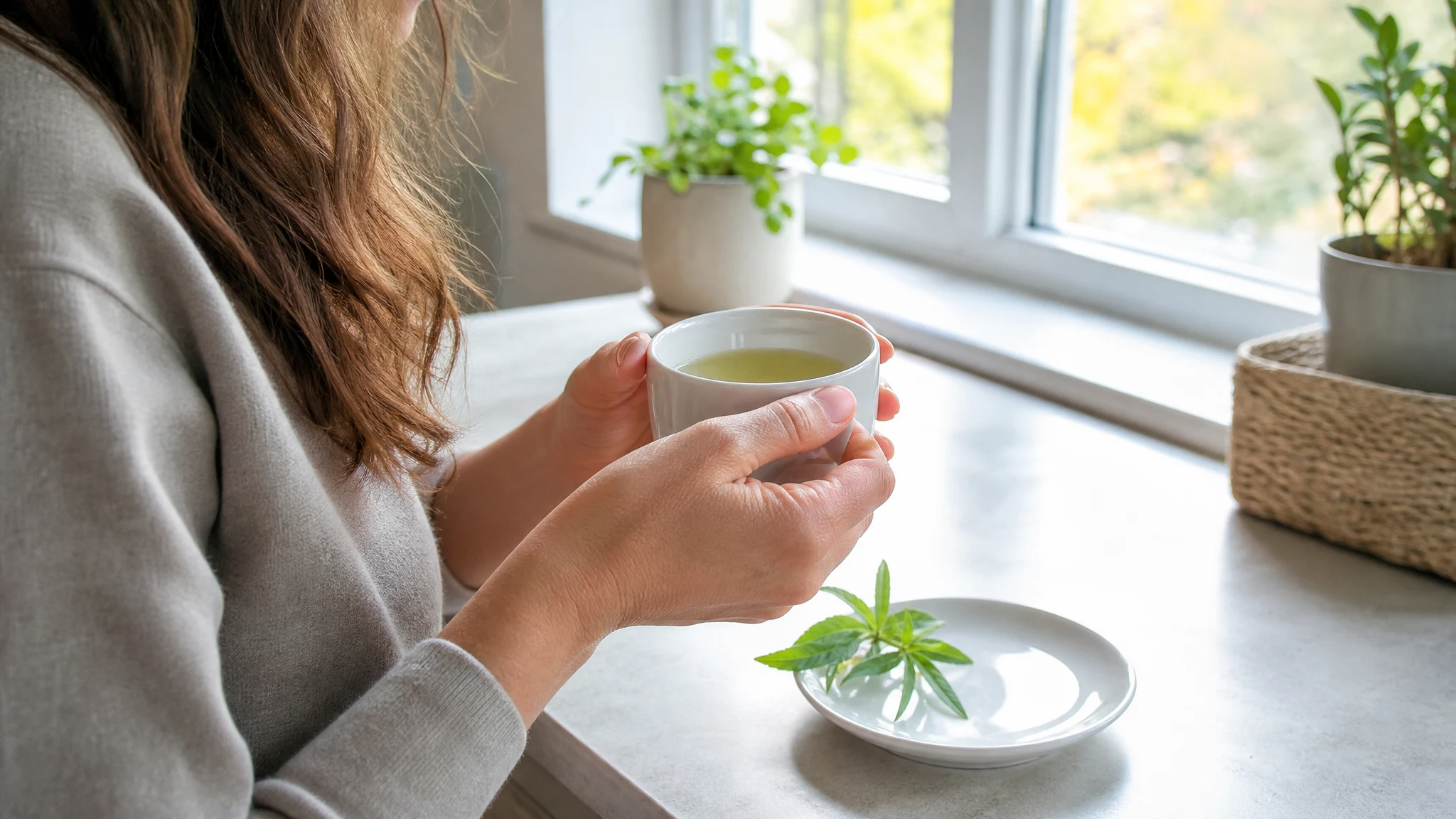
Lemon verbena tea is one of the nicest things a garden can give you, so it is a fair question whether the oil can be used the same way. Our answer is no. Our oil is sold neat and for external use, and we do not recommend swallowing it in water, honey, capsules or anywhere else. The reason is one of the most interesting facts about essential oils: a drop is a very different amount of plant from a cup of tea.
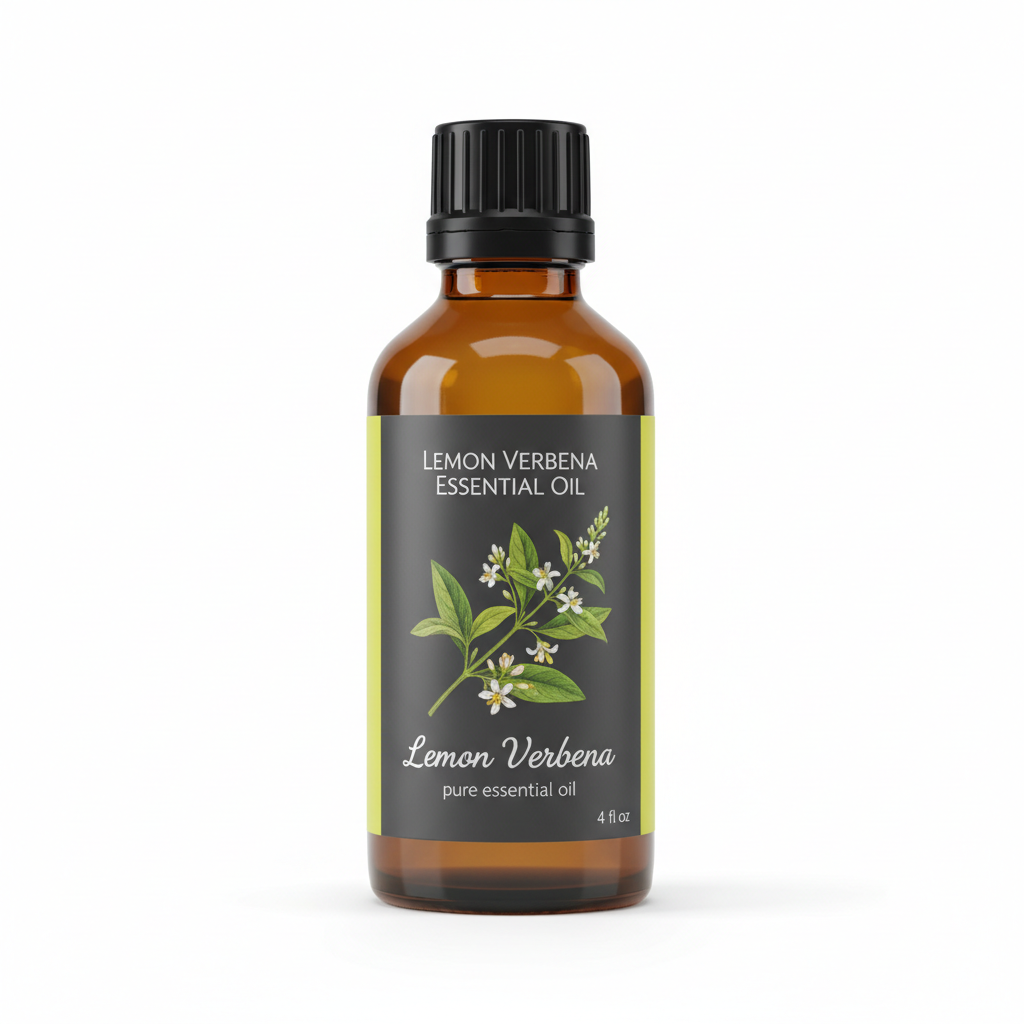
Lemon Verbena Essential Oil
Our own Lemon Verbena Essential Oil, in sizes from 0.5 oz to bulk.
From $12.99
Shop Now →What one drop really is
The Certificate of Analysis we publish for one batch gives a relative density of 0.869, so a millilitre weighs about 0.869 g. At the rough convention of 20 drops per ml (droppers vary), one drop is about 43 mg of oil.
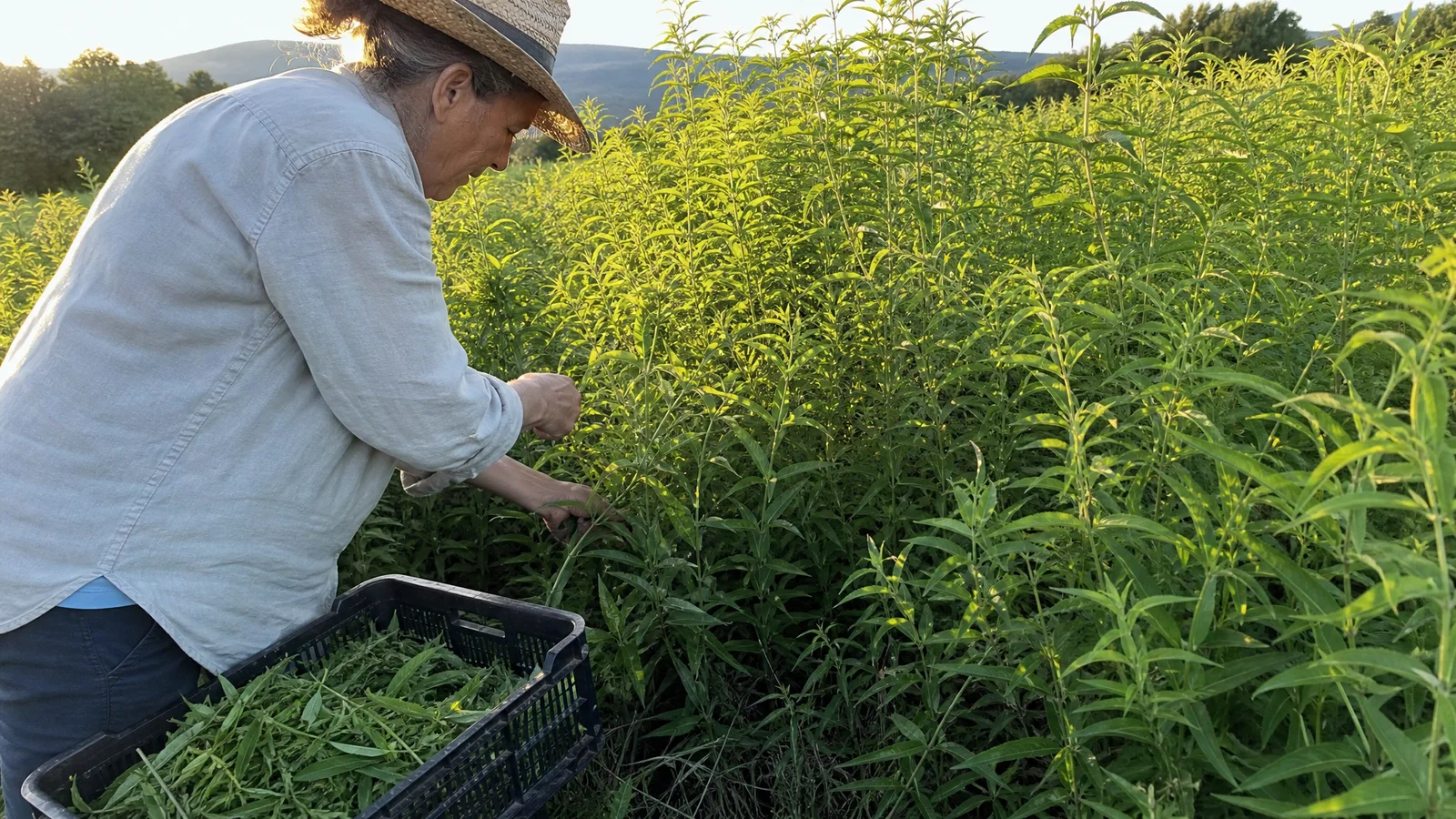
How much leaf does it take to make 43 mg? A study of five Moroccan lemon verbena oils reported yields of 0.1% to 0.2% from shade-dried leaf. At 0.2%, 43 mg is everything the distillation extracts from about 22 g of leaf; at 0.1%, about 44 g. Now compare the tea. The European Medicines Agency's monograph on lemon verbena leaf describes infusions of 1 to 3 g of dried leaf in 200 ml of hot water. So by this arithmetic one drop of oil represents the distilled yield of something like 20 to 40 grams of leaf, while a cup of tea uses a pinch of it. That is reasoning, not a measurement, since hot water may not pull out all the oil, but the gap points the same way: "it is the same plant as the tea" says nothing about dose.
What the food rules do and do not say
People sometimes point to the US list of essential oils recognized as safe for their intended use, 21 CFR 182.20. It covers many botanicals, including lemon and lemon grass, and has no entry for lemon verbena. Absence from one list is not a ban and not a finding of toxicity, and we have not surveyed every other route by which a flavouring can be permitted. What it does mean is that there is nothing in that list to lean on. The phrase "for their intended use" also matters: it describes a listed substance used as a flavouring in food, not drops from a perfumery bottle.
The FDA makes a related point about aromatherapy products generally: how they are regulated depends mainly on how they are intended to be used, and many plants contain materials that are toxic, irritating or likely to cause allergic reactions. A bottle sold for scent and craft work belongs to that world, not the kitchen.
What poison centres say
The Connecticut Poison Control Center's fact sheet is blunt: "Avoid ingesting essential oils." It notes that children under 6 are most at risk, especially ages 1 to 3, and that adults tend to make more severe mistakes. The Medical Journal of Australia reported on four years of calls to a New South Wales poisons centre: 4,412 essential oil exposures, 63% involving someone under 15, and 31% of callers already showing symptoms. The report noted that small quantities, as little as 5 mL, can cause life-threatening toxicity in children. That is about essential oils as a class, not lemon verbena specifically, but it is a strong reason to keep every bottle out of reach, which our children article covers in detail. For pets, see our pets article.
Let the leaf do the kitchen work
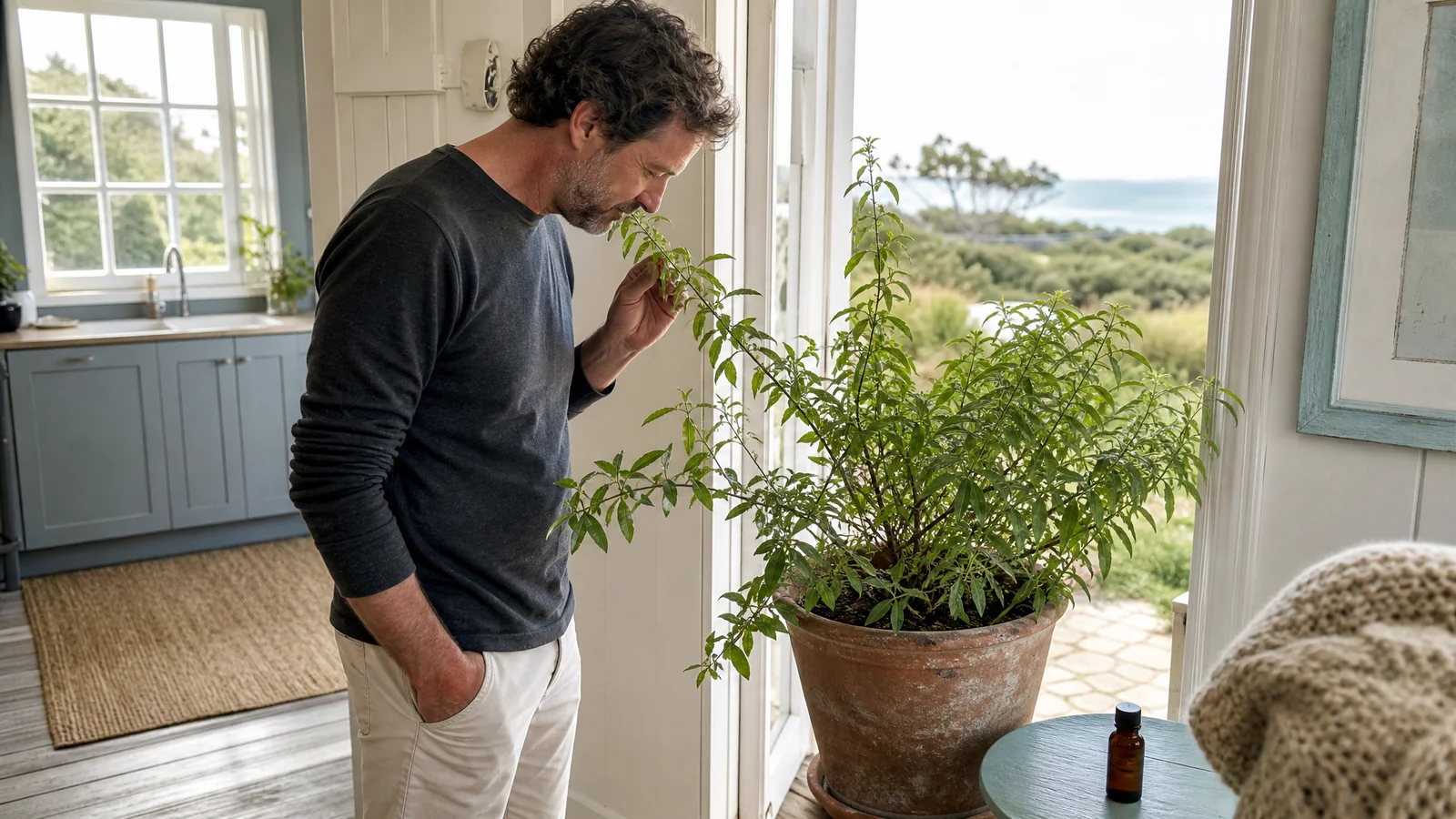
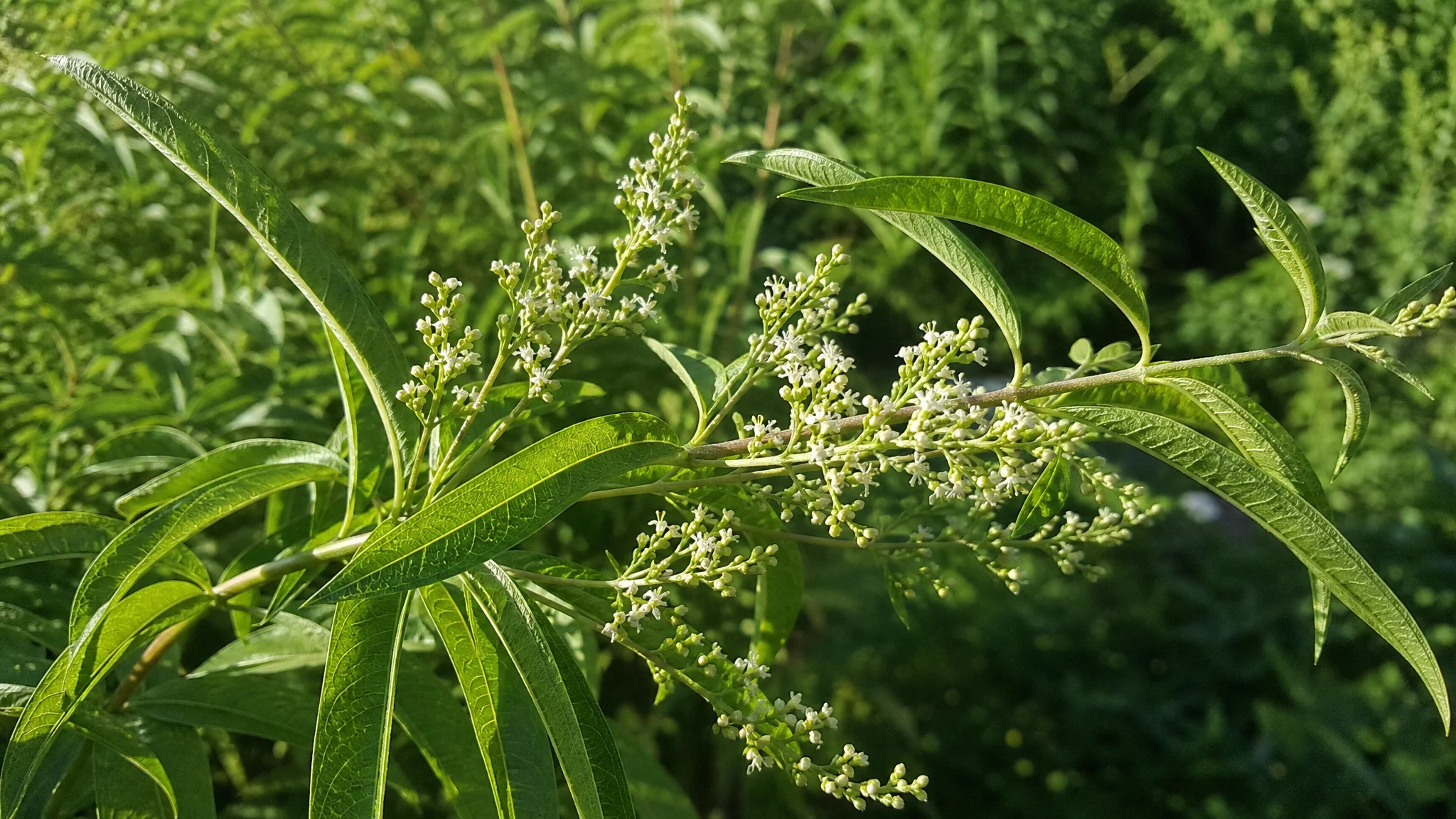
If it is the flavour you love, the plant has you covered. A few fresh leaves rubbed between your fingers release a surprising amount of lemon, and a handful dropped into a warm pot lets that scent drift through the whole kitchen. Dried leaf keeps well in a jar and makes a pleasant cup. The leaf is gentle and forgiving in a way the bottle is not, and it is the one that belongs in a teapot.
Keep the oil on the craft table and the leaf in the pantry, and label both clearly so nobody ever has to guess.
If you want lemon verbena in food or drink
Use the plant. NC State Extension notes that the leaves and flowers are used in teas, desserts, fruit salads and jams, and the dried leaf sold for tea is the material the EMA monograph describes. Our cooking article covers the leaf in the kitchen and the tea versus oil comparison goes further. We sell only the essential oil, so leaf and tea come from a grocer, nursery or herb supplier.
Labels and habits that prevent mix-ups
Most kitchen accidents with oils are not dramatic; they are small slips on a busy day. A bottle of oil left next to the cooking oil, a dropper set down beside a mug, a tiny unlabelled jar of a blend. Keep craft supplies in a separate cupboard from food, never pour or measure them over a cup or bowl, and write the contents on anything you decant. It takes a minute, and it removes the chance of the wrong thing ending up in the wrong place.
If someone has swallowed it
Call poison control straight away (in the US, 1-800-222-1222) or emergency services, with the bottle and the botanical name, Aloysia citrodora, to hand. We cannot give first aid advice for a particular exposure, and a physician or poison centre can. For questions about medicines or a health condition, a physician or pharmacist is the right person to ask.
Enjoy the oil where it shines, in the air and on a cloth, and save the leaf for the teapot.
Lemon Verbena Essential Oil
Lemon Verbena Essential Oil from our own shop, in sizes from 0.5 oz to bulk.
From $12.99
Shop Now →Sources & Further Reading
- Chemical Composition and Cytotoxic and Antibacterial Activities of the Essential Oil of Aloysia citriodora Palau Grown in Morocco, Advances in Pharmacological Sciences, 2017
- European Union herbal monograph on Aloysia citrodora Paláu (syn. Aloysia triphylla (L'Hér.) Kuntze; Verbena triphylla L'Hér.; Lippia citriodora Kunth), folium, EMA/HMPC/376770/2019, 13 January 2021
- 21 CFR 182.20 Essential oils, oleoresins (solvent-free), and natural extractives (including distillates), eCFR
- Aromatherapy | FDA
- Essential Oils Fact Sheet, Connecticut Poison Control Center
- Essential oil poisoning calls increase; children most affected, The Medical Journal of Australia
- Aloysia citriodora (Lemon Beebrush, Lemon Verbena) | North Carolina Extension Gardener Plant Toolbox