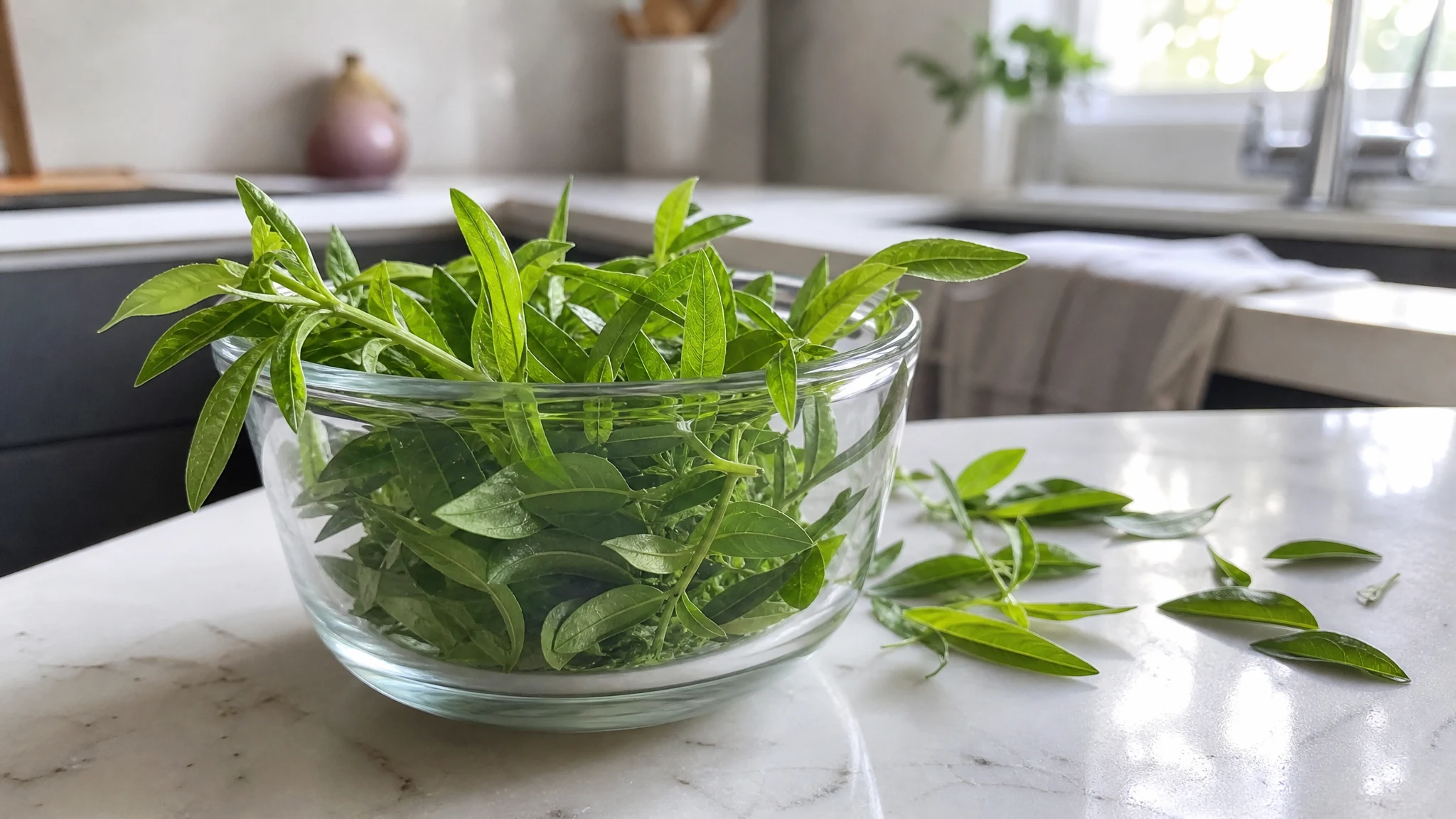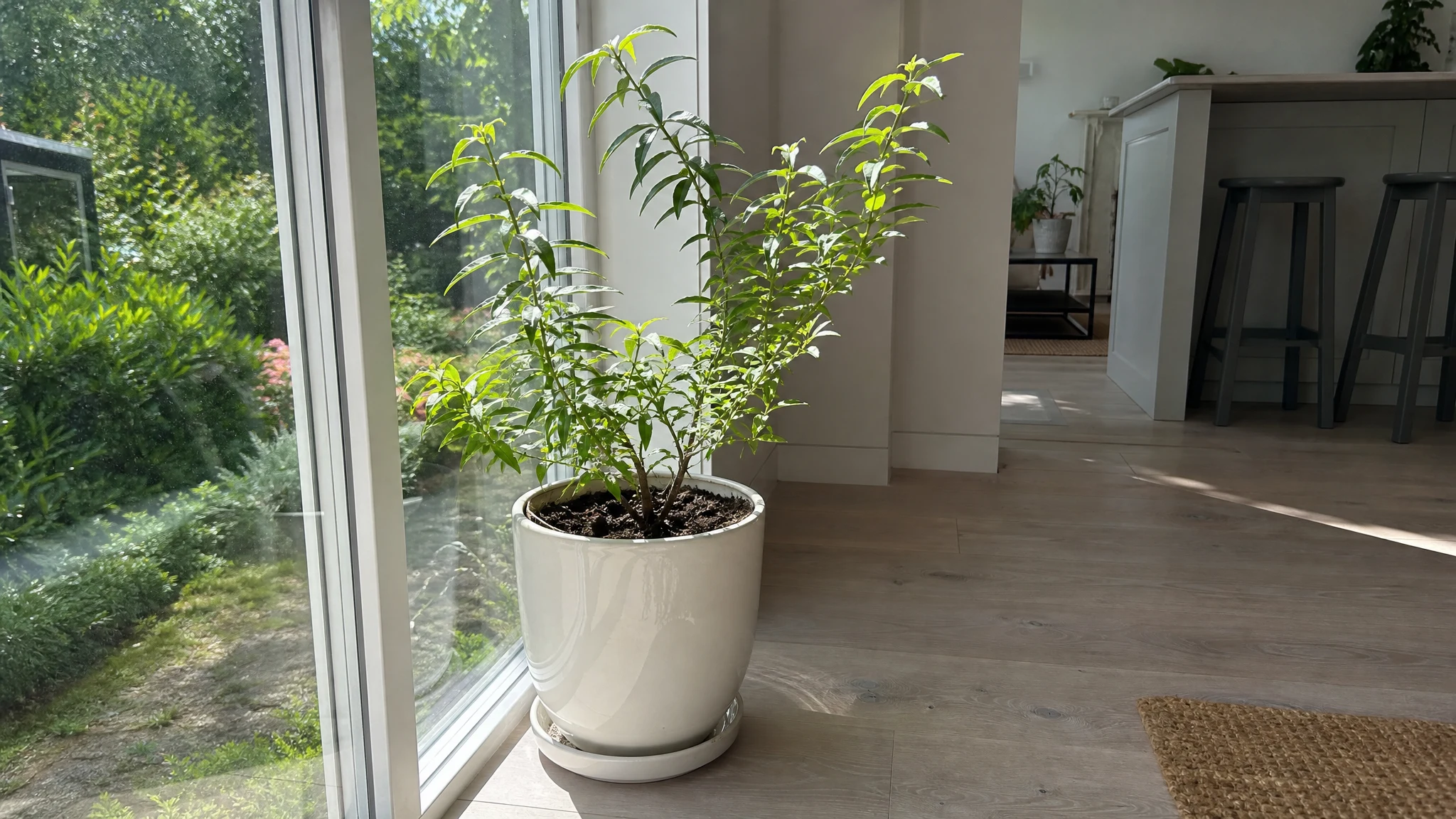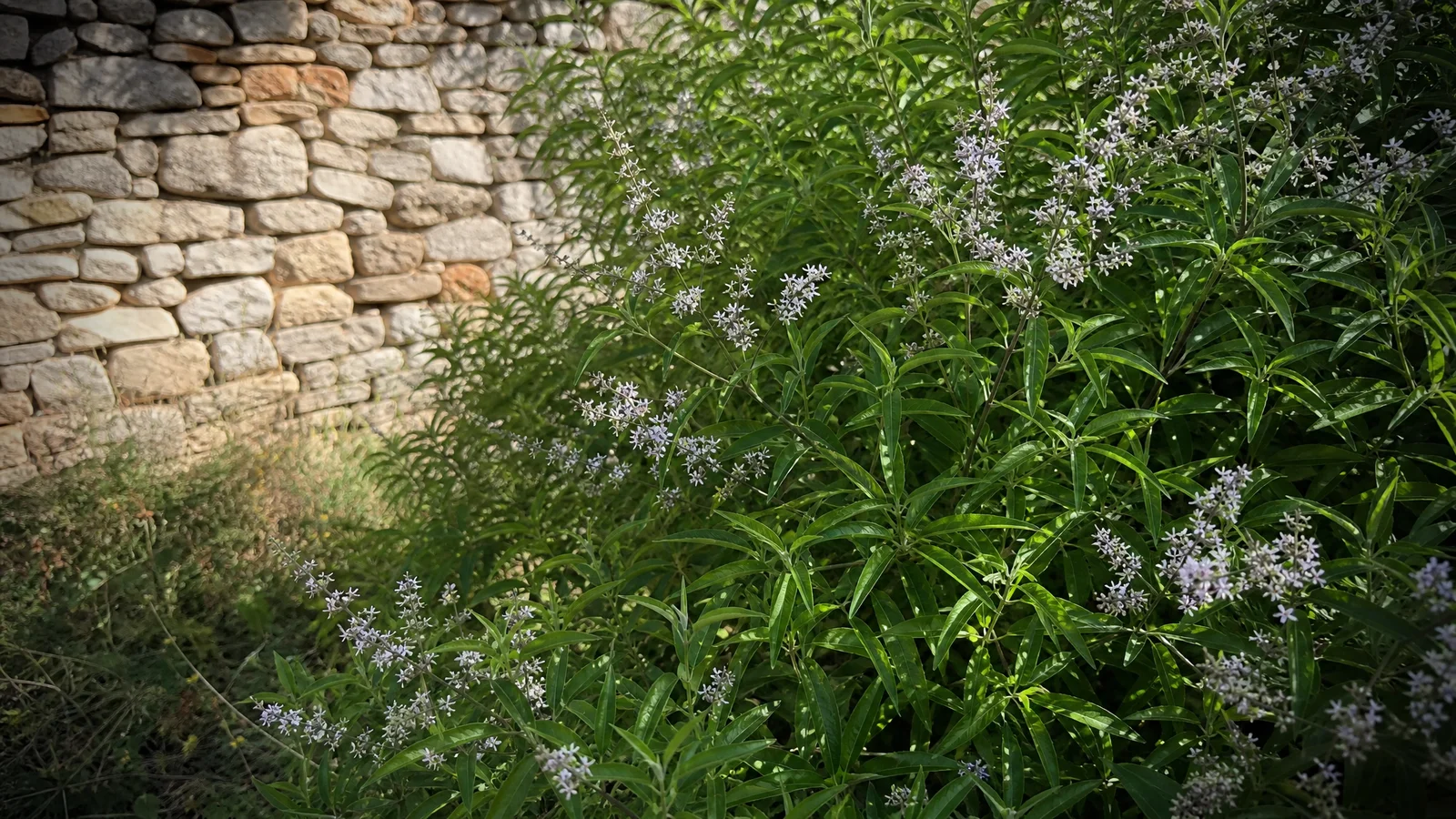
Aloysia Citrodora or Lippia: Lemon Verbena's Many Names
Lemon verbena has been through more names than most garden herbs. Depending on the book, the catalogue or the research paper in front of you, it is Aloysia citrodora, Aloysia triphylla, Lippia citriodora or even Verbena triphylla. They are all the same shrub, and knowing that saves you from a surprising number of dead ends when you go looking for information on the oil.
Lemon Verbena Essential Oil
Our own Lemon Verbena Essential Oil, in sizes from 0.5 oz to bulk.
From $12.99
Shop Now →One accepted name, five older ones
The USDA's plant taxonomy database lists Aloysia citrodora Paláu as the accepted name, published in 1784, in the verbena family (Verbenaceae). Its five synonyms are Aloysia triphylla, Lippia citrodora, Lippia triphylla, Verbena triphylla and Zappania citrodora (USDA GRIN). To make things livelier, you will see both "citrodora" and "citriodora" in print, and a search for one spelling misses papers filed under the other. We use "citrodora", the accepted form, and our product pages sometimes carry the other.
The practical tip is simple: when you read up on lemon verbena, search every name. A paper about Lippia citriodora is about the same plant as one about Aloysia citrodora. The one genuine mix-up is with true vervain, Verbena officinalis, a different species altogether, which our myths article untangles.
Names matter in rule books too. The fragrance industry's Standard on the oil is titled for Lippia citriodora Kunth. and lists the older names as synonyms (IFRA, Verbena oil and absolute). Since every one of these names refers to a single plant, a label that uses the newer name does not step outside the Standard. That is our reading of it, and anyone formulating for sale should confirm with a regulatory professional.
A name is a handle, not a flavour
We enjoy the way a plant with so many names still smells the way it does. You can rub a leaf between your fingers and know at once what you are holding, whatever the label says. The scent arrives first and the Latin comes later, which is the opposite order from a catalogue, and it is a good reminder that the names exist to help us find each other's information, not to describe the aroma.
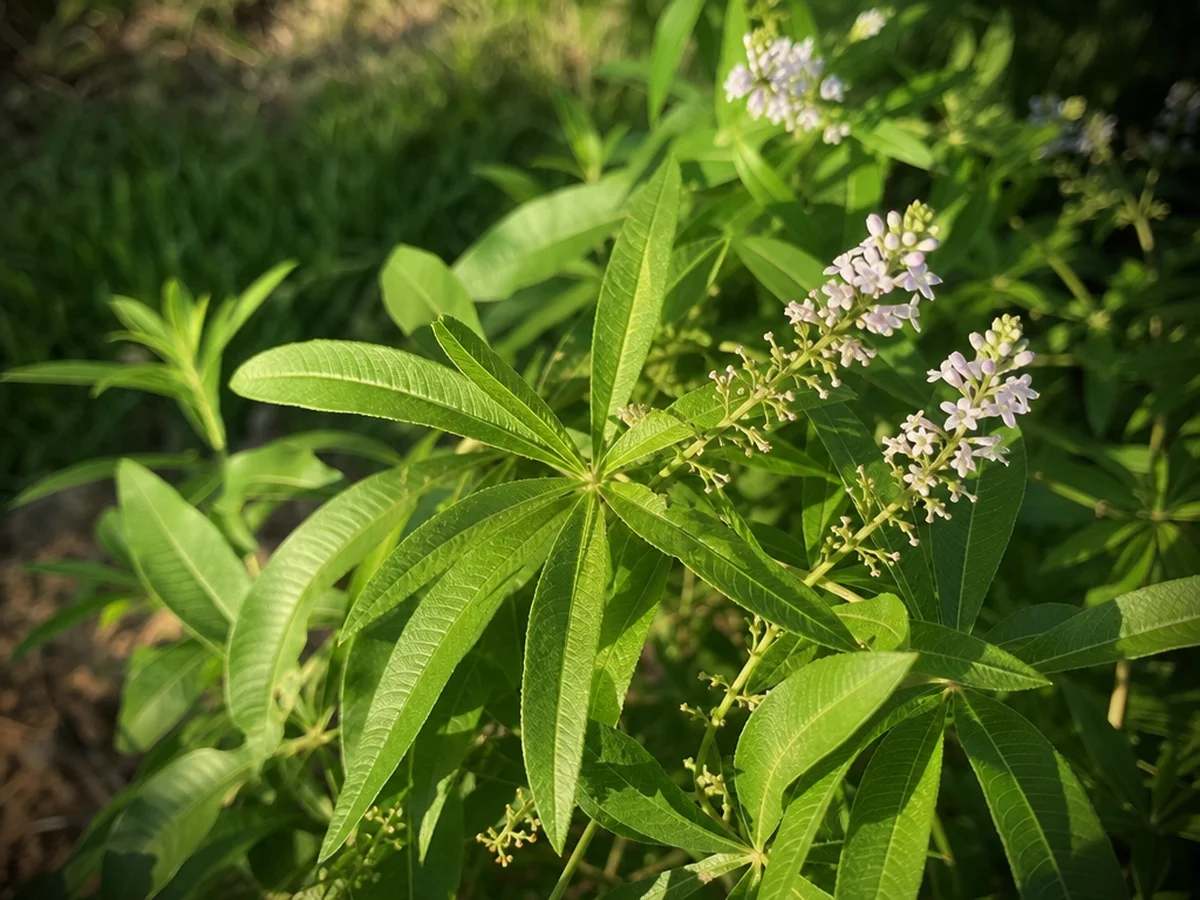
If you keep a notebook of the oils you work with, we suggest writing the name exactly as it appears on the bottle and then adding the other spellings underneath. A year from now, when you are searching for something you half remember, you will be glad you did.
Native to the Andes, grown around the world
The USDA record gives the native range as northwestern Argentina, parts of Paraguay and parts of Bolivia, and notes that the shrub is cultivated widely in warm climates. Papers in the last couple of years have analysed leaf from Olmué in Chile (Silva et al., 2025) and from Amazonas in Peru (Mena-Chacon et al., 2026), neither of which is in the native list. A plant growing somewhere tells you it likes the climate, not that the place is its origin, and where a given bottle's leaf was grown is its own question. We cover what can and cannot be said about that in our origin article.
One species, many aromas
This is the part we find most fascinating. Because the botanical name is shared, it is tempting to assume the oil is a fixed thing. It is not. In Ecuador, the leaf oil was led by geranial and neral, the two citral compounds, at roughly a quarter and a fifth of the oil (Parichanon et al., 2025). In the Chilean sample, citral made up only about 3% and the main component was spathulenol, at close to 39%. In the Peruvian one, limonene and citronellol led. In Morocco, geranial was not detected in the five sites studied (Oukerrou et al., 2017).
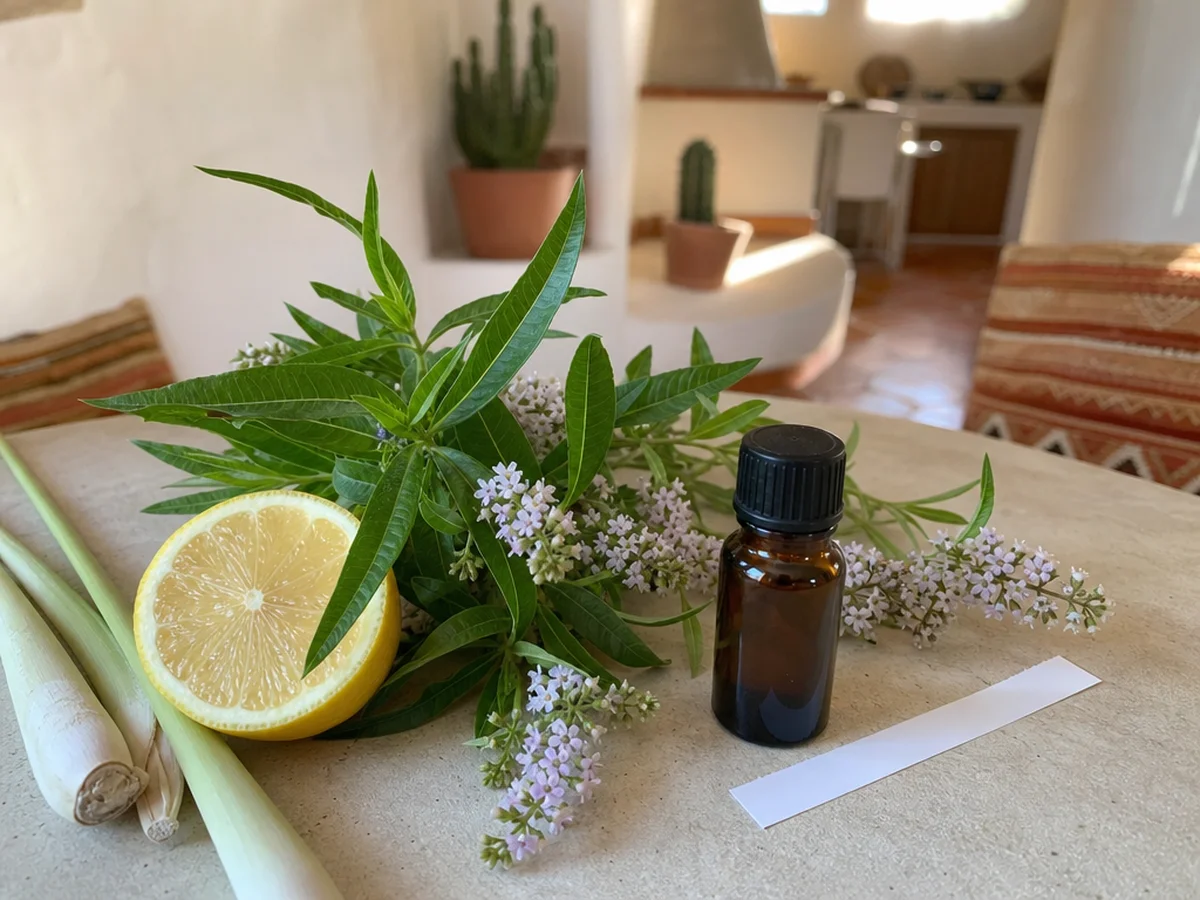
These samples differ in harvest, drying and equipment as well as place, so we would not call the plant that variable on this evidence alone. What the comparison does support is a simple point: the Latin name will not tell you what a particular oil smells like or contains. Citral gives the bright lemon note; an oil with little of it will smell a different way altogether.
Practical habits for the name hunt
- Search every spelling. Try Aloysia, Lippia and Verbena triphylla, with citrodora and citriodora, before deciding there is nothing written about a topic.
- Ignore the first-name-only trap. A page about "verbena" may be about a garden flower or about vervain, so look for the second word.
- Keep the common name too. Plenty of good, readable writing about the plant never uses the Latin at all.
How a researcher proves identity, and how a bottle does
Good botanical papers deposit a voucher, a pressed specimen kept in a herbarium so that someone can check the plant against its name later. The Chilean team had their leaf authenticated by a botanist and kept specimens at their university (AC-0922 for their lemon verbena). The Peruvian paper lists voucher code KUELA_P_-6731. A bottle of oil has no pressed specimen, so identity rests on the paperwork and the chemistry instead.
For our oil, the Certificate of Analysis we publish for one batch lists the botanical name, the part used (leaf), steam distillation as the method, a relative density of 0.869 and a refractive index of 1.472, each against a printed range. Those are physical checks, and they are a good first screen, though they are not a composition report. If you need the geranial and neral figures, or any other detail, ask us in writing through the contact page before ordering so we can tell you what we can provide.
The next time you meet a lemon verbena label with an unfamiliar name on it, you will know it is the same shrub. A guide to reading the label and a GC-MS report picks up from here.
Lemon Verbena Essential Oil
Lemon Verbena Essential Oil from our own shop, in sizes from 0.5 oz to bulk.
From $12.99
Shop Now →Sources & Further Reading
- USDA Agricultural Research Service. Germplasm Resources Information Network (GRIN) taxonomy record for Aloysia citrodora Paláu. npgsweb.ars-grin.gov
- IFRA Standard: Verbena oil and absolute (Lippia citriodora Kunth.), Amendment 49. ifrafragrance.org
- Parichanon P et al., 2025. Chemical Profiling, Sensory Qualities, and Bioactivities of Essential Oils Obtained from Aloysia citrodora and Bursera graveolens Ecuadorian Plants Against the Mosquito Aedes albopictus (Skuse) (Diptera: Culicidae). Insects. PMC11857052
- Oukerrou MA et al., 2017. Chemical Composition and Cytotoxic and Antibacterial Activities of the Essential Oil of Aloysia citriodora Palau Grown in Morocco. Advances in Pharmacological Sciences. PMC5485486
- Silva et al., 2025. Chilean Aloysia Essential Oils: A Medicinal Plant Resource for Postharvest Disease Control. Plants. PMC12566967
- Mena-Chacon et al., 2026. Chemical Composition and Antibacterial Activity Against Food-Borne Pathogens of Six Essential Oils from Plants in Northeastern Peru. Pharmaceuticals. PMC13304477