Lemongrass or Lemon Verbena? Two Citral Oils Compared
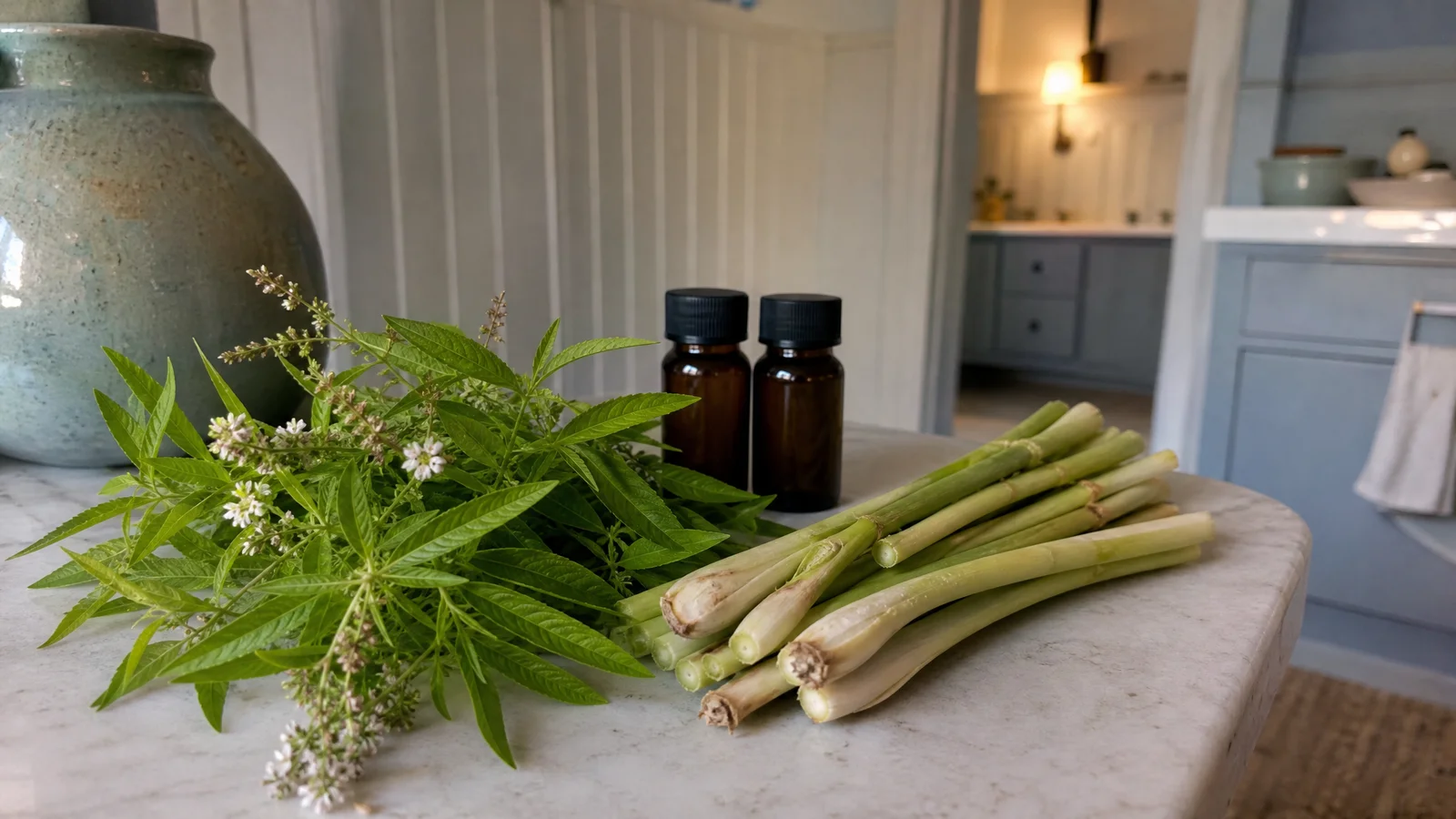
Open a bottle of lemongrass oil and then one of lemon verbena and your nose will tell you they are related. Both lean on citral, the molecule behind sweet-lemon scents. But one comes from a tall tropical grass and the other from a leafy shrub, and the amounts of citral involved are very different. Understanding that gap saves you from swapping them drop for drop.
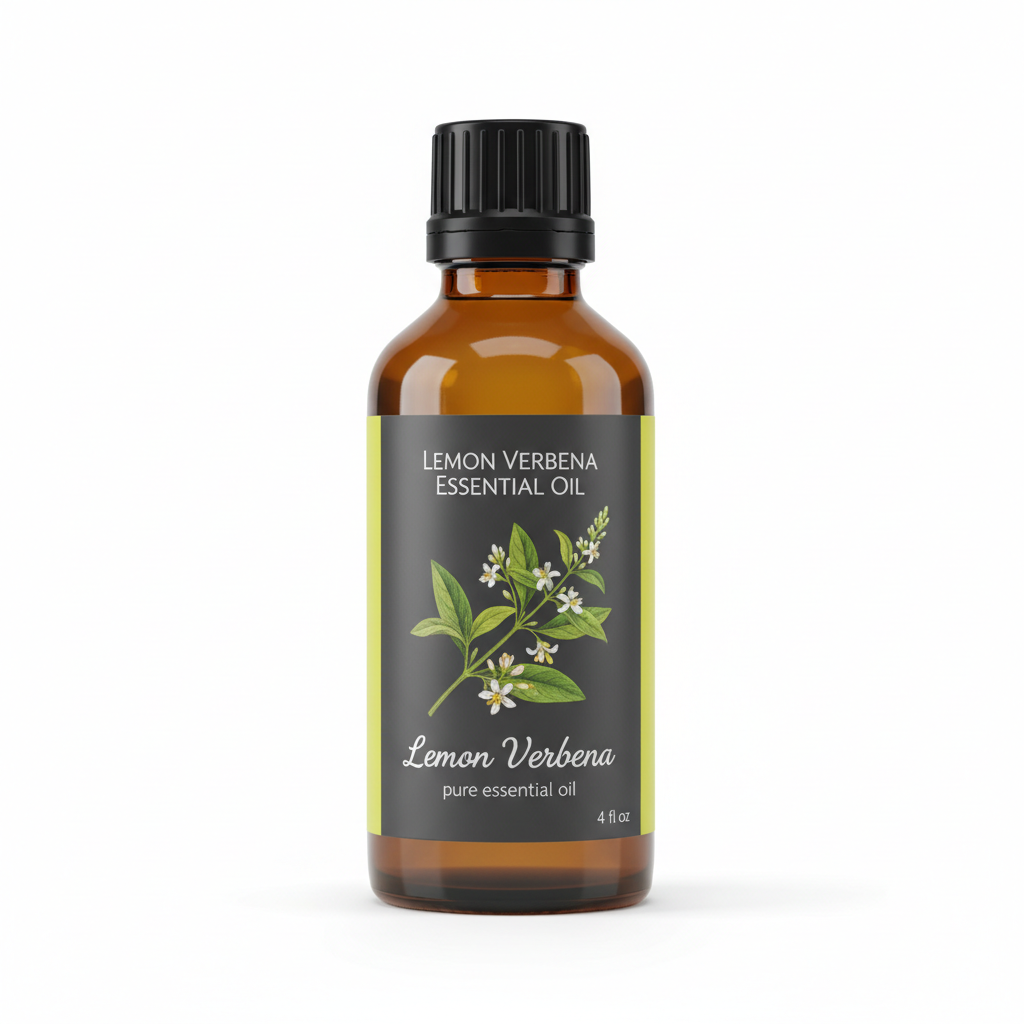
Lemon Verbena Essential Oil
Our own Lemon Verbena Essential Oil, in sizes from 0.5 oz to bulk.
From $12.99
Shop Now →A grass and a shrub
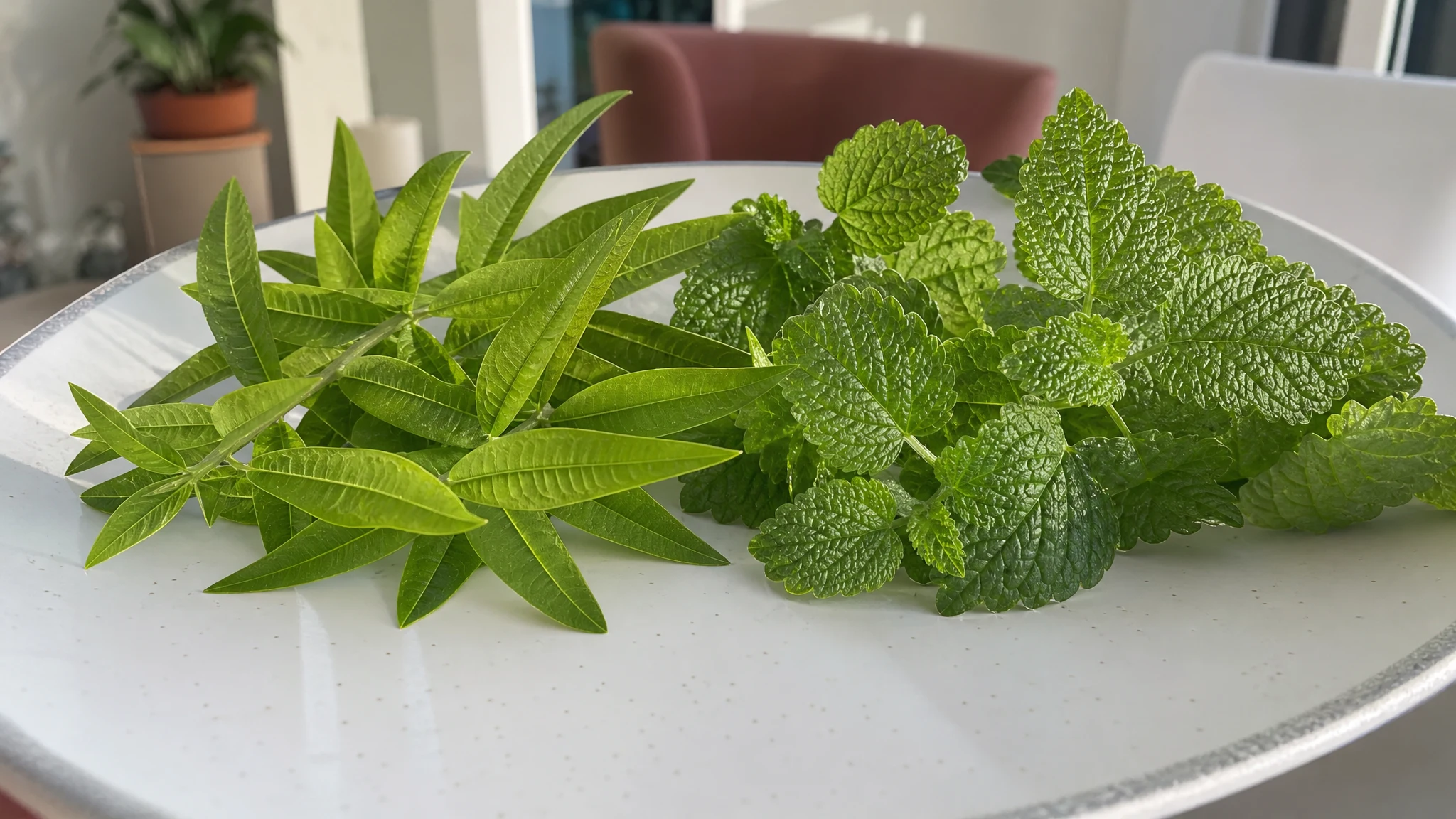
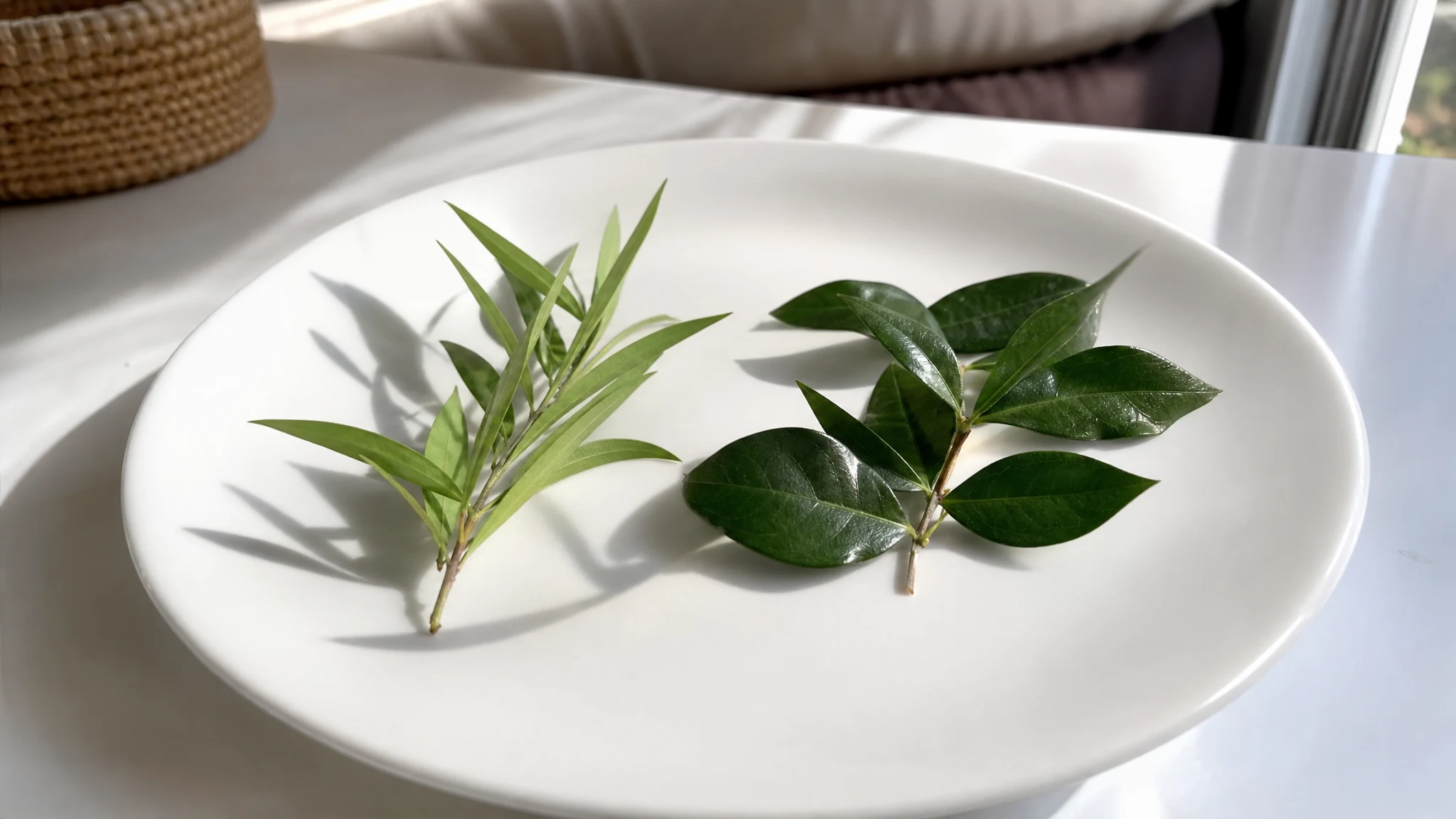
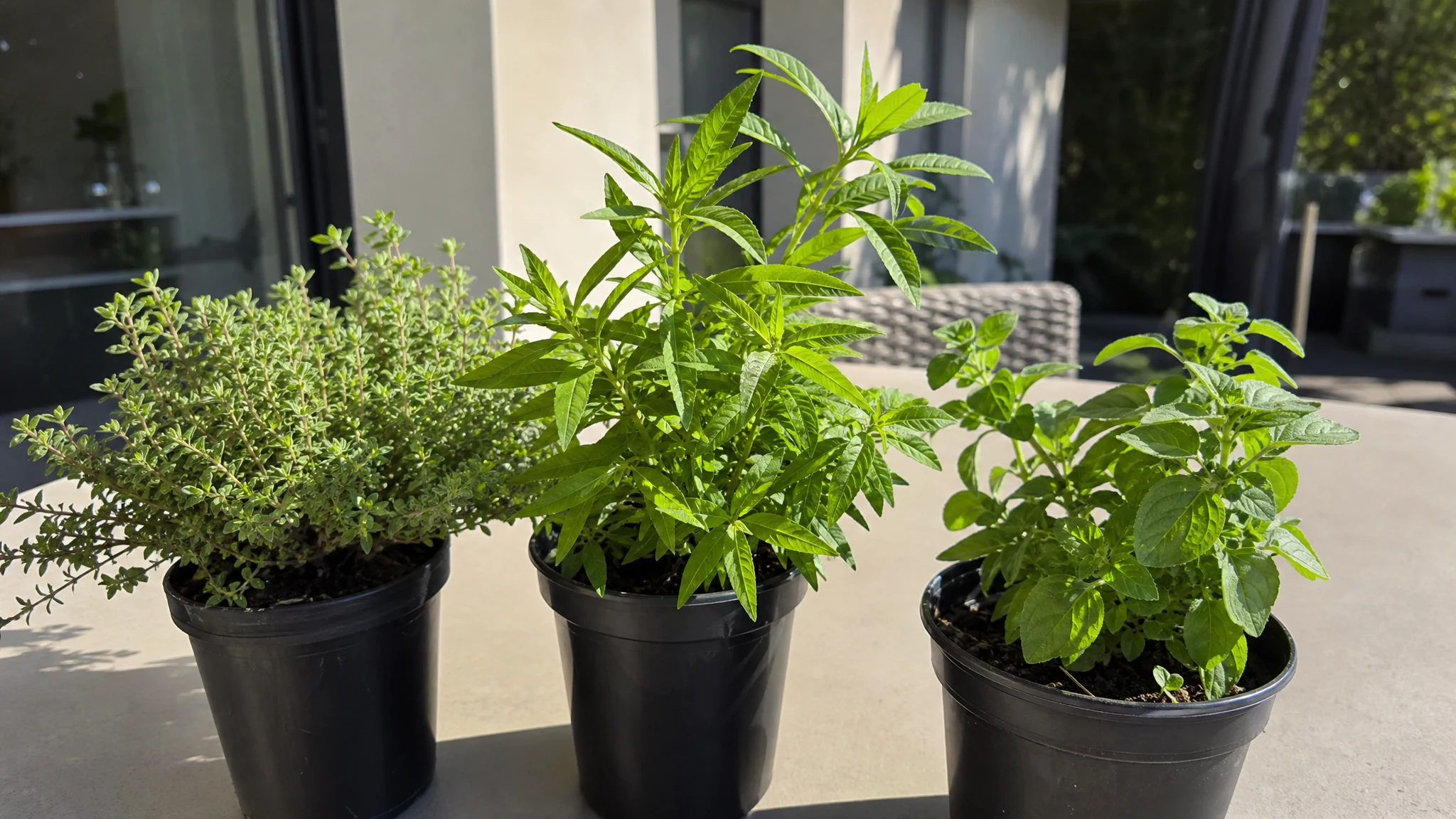
Lemongrass is Cymbopogon, the West Indian C. citratus or the East Indian C. flexuosus. Lemon verbena is Aloysia citrodora, a woody shrub. Gas chromatography shows how differently they are built. A Nepalese lemongrass leaf oil came in at 53.1% geranial and 36.1% neral, which is 89.2% citral between them (Dangol et al., 2023). Lemon verbena samples are lower and far less consistent: about 48% in an Ecuadorian oil (Parichanon et al., 2025), 34% to 37% in a Portuguese one (Sprea et al., 2023), and, in a Moroccan study, no geranial detected at all (Oukerrou et al., 2017).
These come from different places, plant parts and methods, so read them as a range and not a contest. The takeaway is simple. Lemongrass is the louder, more single-minded citral oil, and verbena is the more varied one, with more of its character in the molecules besides citral.
What that means in a recipe
If every drop of lemongrass carries roughly twice the citral of a drop of most verbena samples (89.2% against 34% to 48%, assuming similar drop weights), then a straight swap changes the dose of the molecule that matters most for skin and for scent. A better rule is to start the lemongrass at about half the verbena amount and adjust by nose.
IFRA's citral Standard gives the same picture in regulatory terms. It caps citral at 0.15% of the finished product in body lotions and oils and 0.60% in fine fragrance (IFRA Standard on citral). Divide by the citral share and a body oil can hold about 0.17% of the Nepalese lemongrass, 0.31% of the Ecuadorian verbena and 0.44% of the Portuguese verbena. Those are planning numbers from one sample each, and the oil in your hand will differ, but they show who reaches the ceiling first.
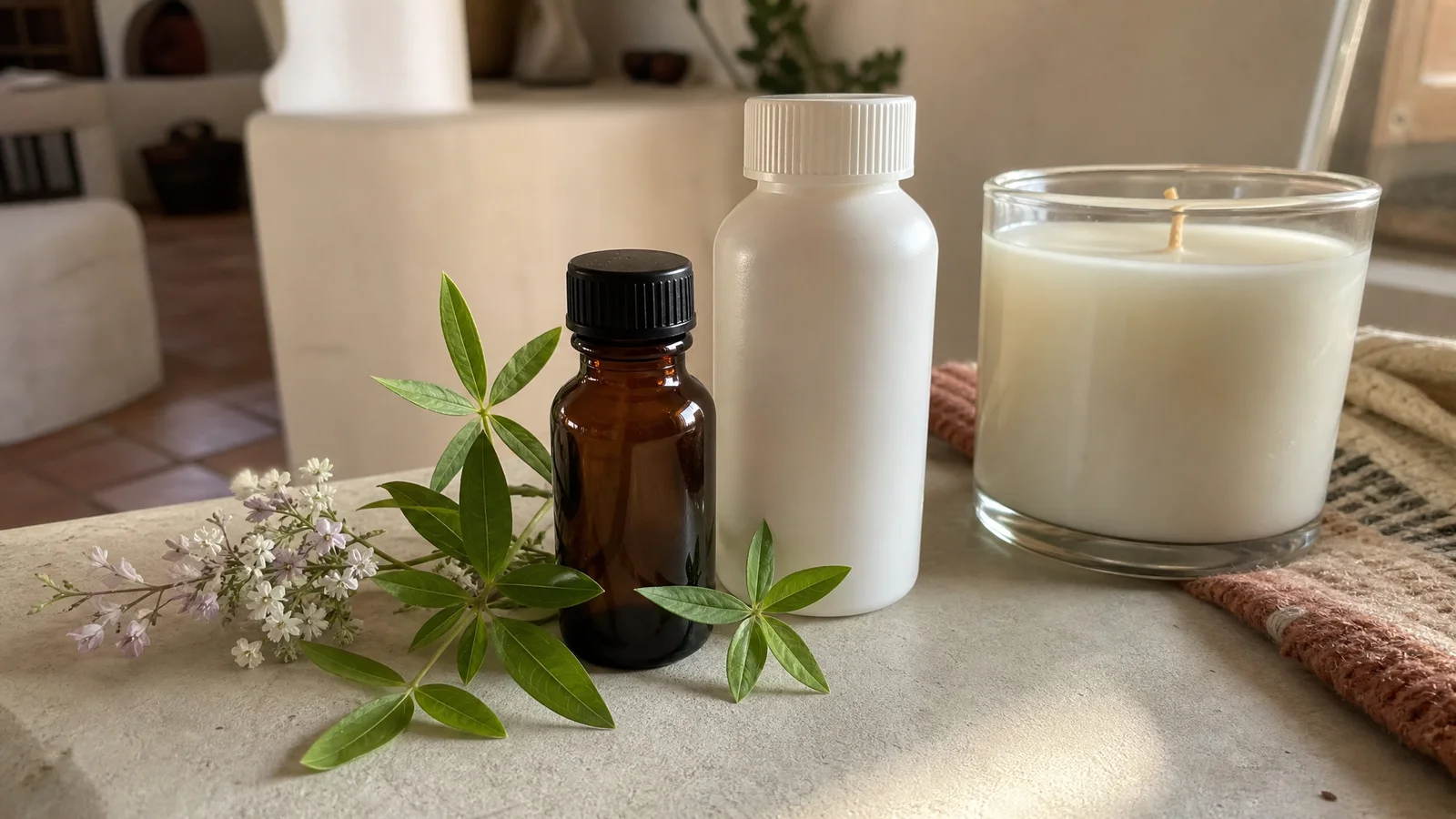
Verbena also has a rule of its own. IFRA's Standard 083 says verbena oils should not be used as a fragrance ingredient, citing sensitizing and phototoxic potential, and gives category limits only for the absolute (IFRA Standard 083). Our oil is sold neat and we suggest 0.5% to 2% in a carrier with a patch test. In light of the citral arithmetic above, we start at the bottom of that range, and we suggest you do the same. Anything you intend to sell is worth running past a regulatory consultant. Our safety article sets out what each authority says.
Side by side on a strip
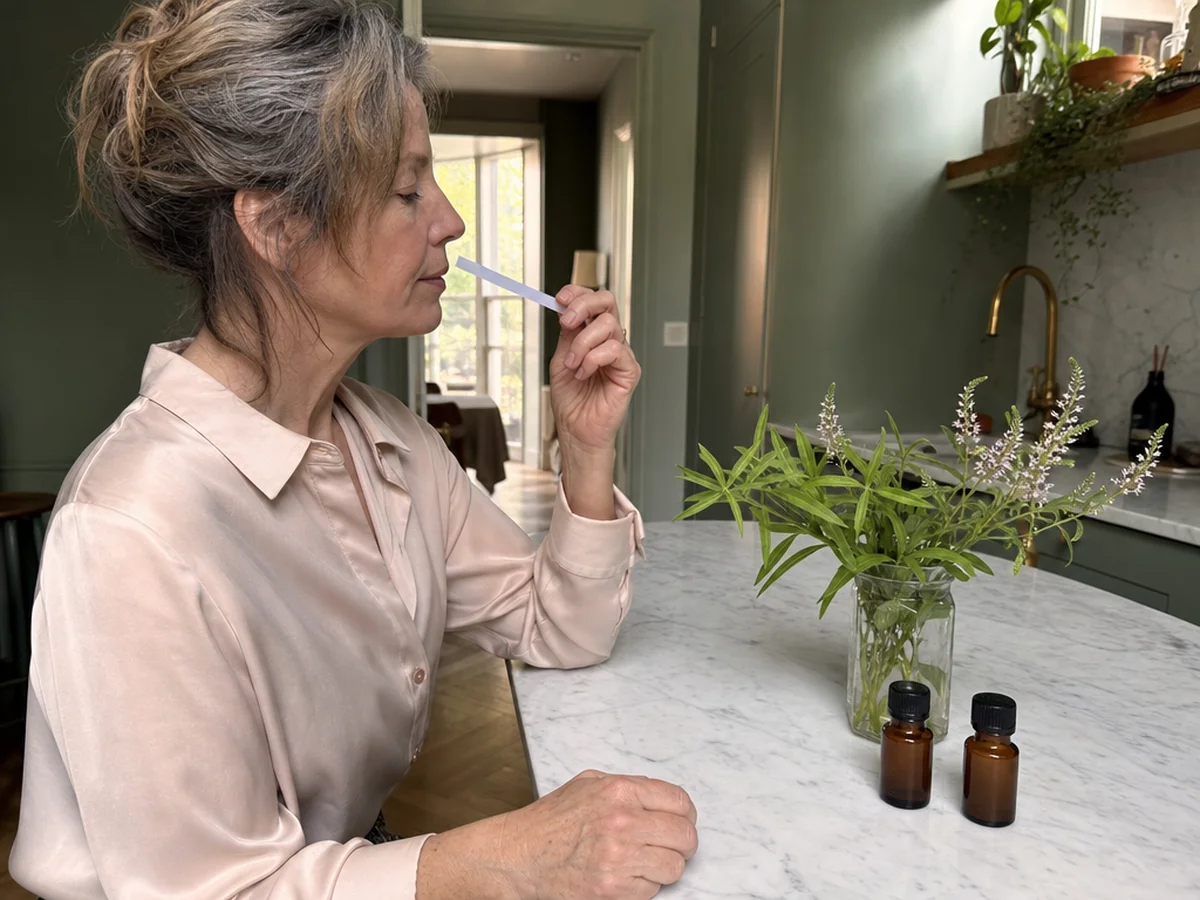
The comparison is easiest by nose. Put each oil on its own strip and smell them back to back. Lemongrass is grassy and direct, a bold, almost herbal lemon that fills the room quickly. Lemon verbena is sweeter and rounder, with the softer floral side that gives it a perfumed feel. Smell them again after a while and the gap tends to widen, because one settles into a steady lemon and the other keeps moving.
The scent, and where the two overlap
We describe our lemon verbena as sparkling, sweet and lemony over a soft herbal-floral heart. In the Ecuadorian study, a panel of eight trained assessors described a verbena oil with lemon, candied lemon and lemongrass among its fruity notes, alongside orange blossom, mint and sweet pastry (Parichanon et al., 2025). So the vocabularies overlap, which is why the two oils get confused, but it is one oil assessed by eight people and not a side-by-side comparison. It does suggest a perfumed, rounded lemon, which is what draws people to the oil.
Thinking about the project
It can help to picture the finished thing. A cleaning spray for a kitchen counter, a bright soap, or a bold candle calls for something that speaks up, and lemongrass fits that picture. A linen spray, a perfume-style blend or a quiet room scent calls for something that stays in the background, and lemon verbena fits that one. Start with the picture, and the choice often makes itself.
Which one to reach for
- Choose lemongrass when you want a strong, direct lemon in a cleaner, a candle or a soap. You will find it at a soap-making or aromatherapy supply shop, since we sell only lemon verbena.
- Choose lemon verbena when the soft, herbal-floral side of lemon is the point, for example in a perfume-style blend or a room scent, and you are working at a low dose.
- Neither is a decision for pregnancy, babies or pets without a professional, and we have written separately about children, pregnancy and cats and dogs.
Because both are citral oils, a citral percentage alone will not tell you which oil is in a bottle. A report that names the plant and lists the minor compounds does, and our guide to reading a GC-MS report shows what to look for. For the wider family of lemon-scented oils, see the six-oil comparison.
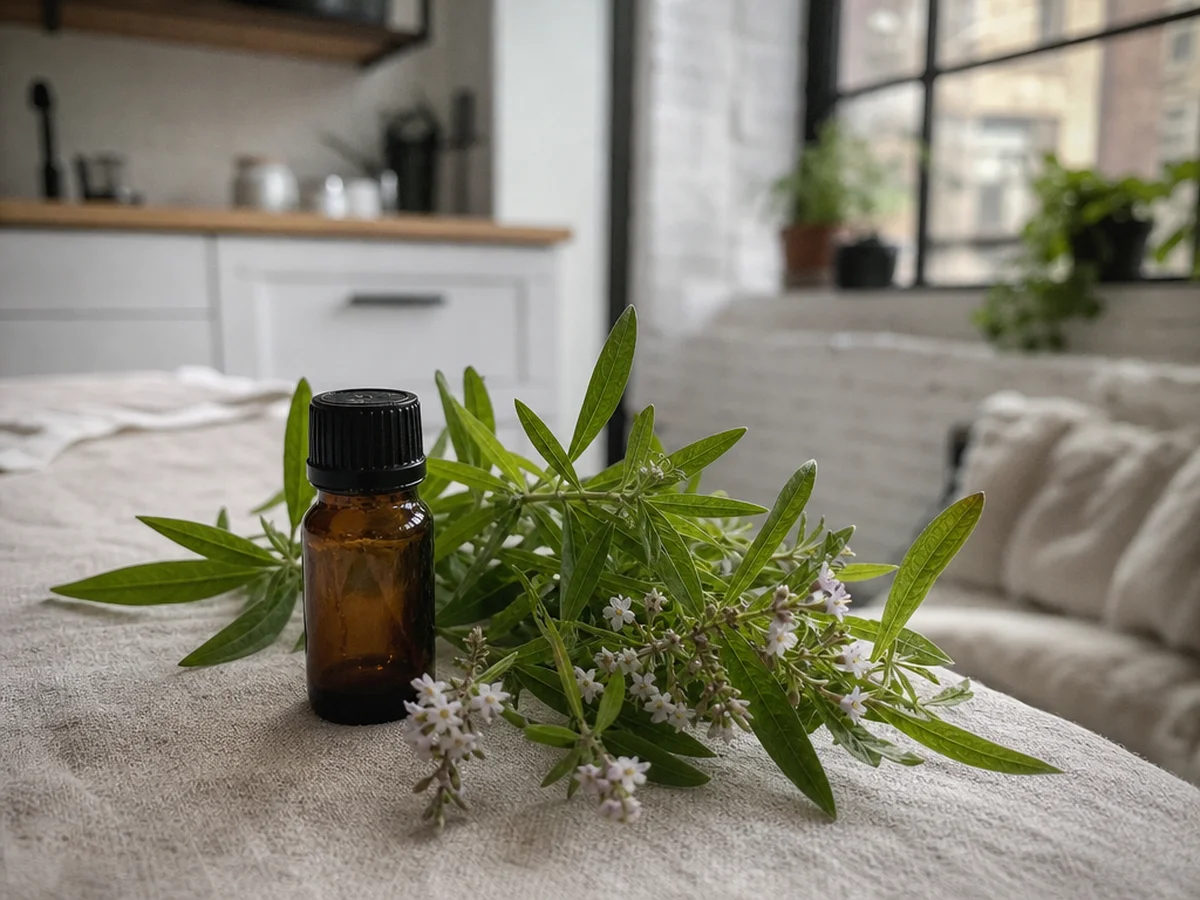
Lemongrass brings the volume and verbena brings the nuance, and once you know which you need, the choice is easy.
Lemon Verbena Essential Oil
Lemon Verbena Essential Oil from our own shop, in sizes from 0.5 oz to bulk.
From $12.99
Shop Now →Sources & Further Reading
- Dangol S et al., 2023. Essential Oil Composition Analysis of Cymbopogon Species from Eastern Nepal by GC-MS and Chiral GC-MS, and Antimicrobial Activity of Some Major Compounds. Molecules 28:543. PMC9863348
- Parichanon P et al., 2025. Chemical Profiling, Sensory Qualities, and Bioactivities of Essential Oils Obtained from Aloysia citrodora and Bursera graveolens Ecuadorian Plants Against the Mosquito Aedes albopictus (Skuse) (Diptera: Culicidae). Insects 16:202. PMC11857052
- Sprea RM et al., 2023. Volatile Compounds and Biological Activity of the Essential Oil of Aloysia citrodora Paláu: Comparison of Hydrodistillation and Microwave-Assisted Hydrodistillation. Molecules 28:4528. PMC10254266
- Oukerrou MA et al., 2017. Chemical Composition and Cytotoxic and Antibacterial Activities of the Essential Oil of Aloysia citriodora Palau Grown in Morocco. Adv Pharmacol Sci 2017:7801924. PMC5485486
- IFRA. IFRA Standard: Citral, 2020 (Amendment 49). IFRA_STD_021
- IFRA. IFRA Standard: Verbena oil and absolute (Lippia citriodora Kunth.), 2020 (Amendment 49). IFRA_STD_083