Lemon Verbena vs Lemon Oil: Leaf or Peel?
Lemon verbena is sometimes sold as a rarer, fancier lemon, and it is easy to see why. Both smell of lemon, both are bright, and both turn up in fresh, clean blends. But a bottle of lemon oil and a bottle of lemon verbena oil come from different parts of different plants, by different methods, and they are built from different molecules. They are two ways to get a lemon note, each with its own character.
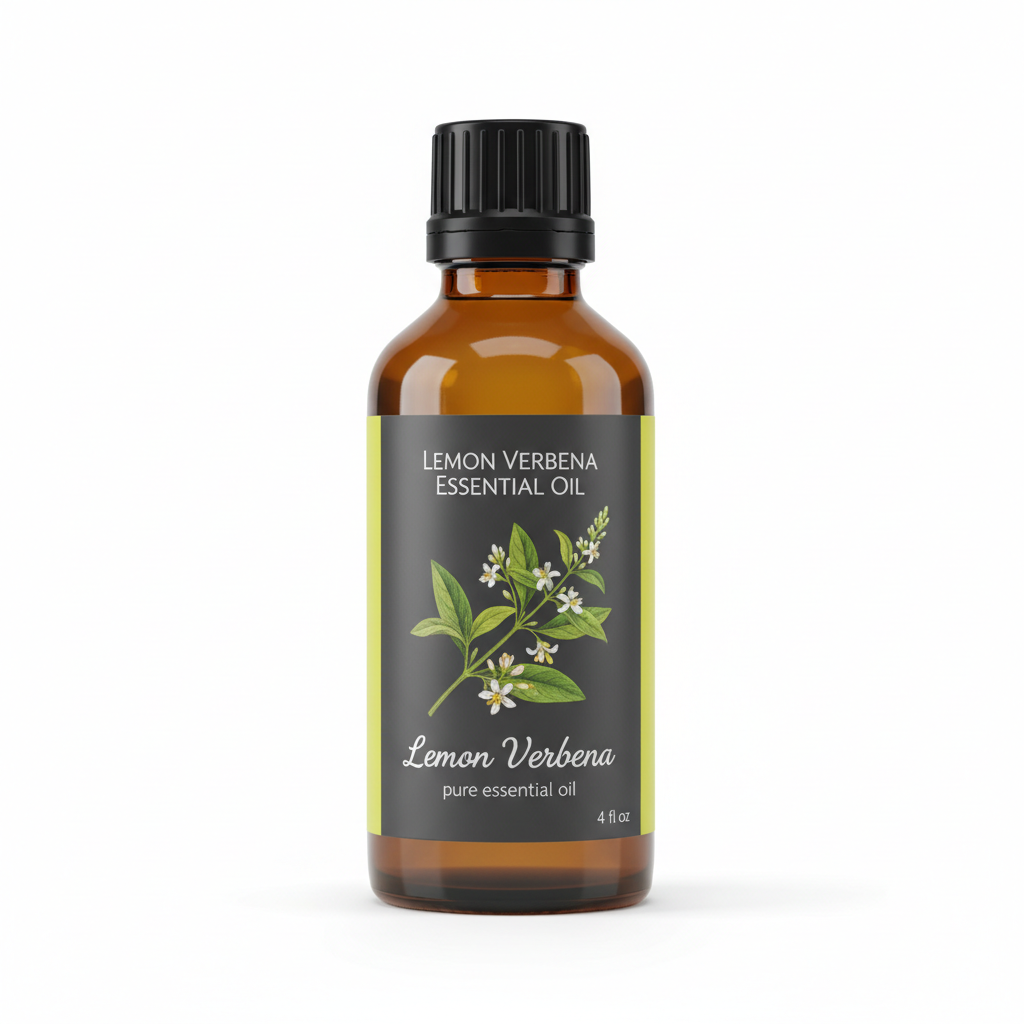
Lemon Verbena Essential Oil
Our own Lemon Verbena Essential Oil, in sizes from 0.5 oz to bulk.
From $12.99
Shop Now →A peel, pressed, and a leaf, distilled
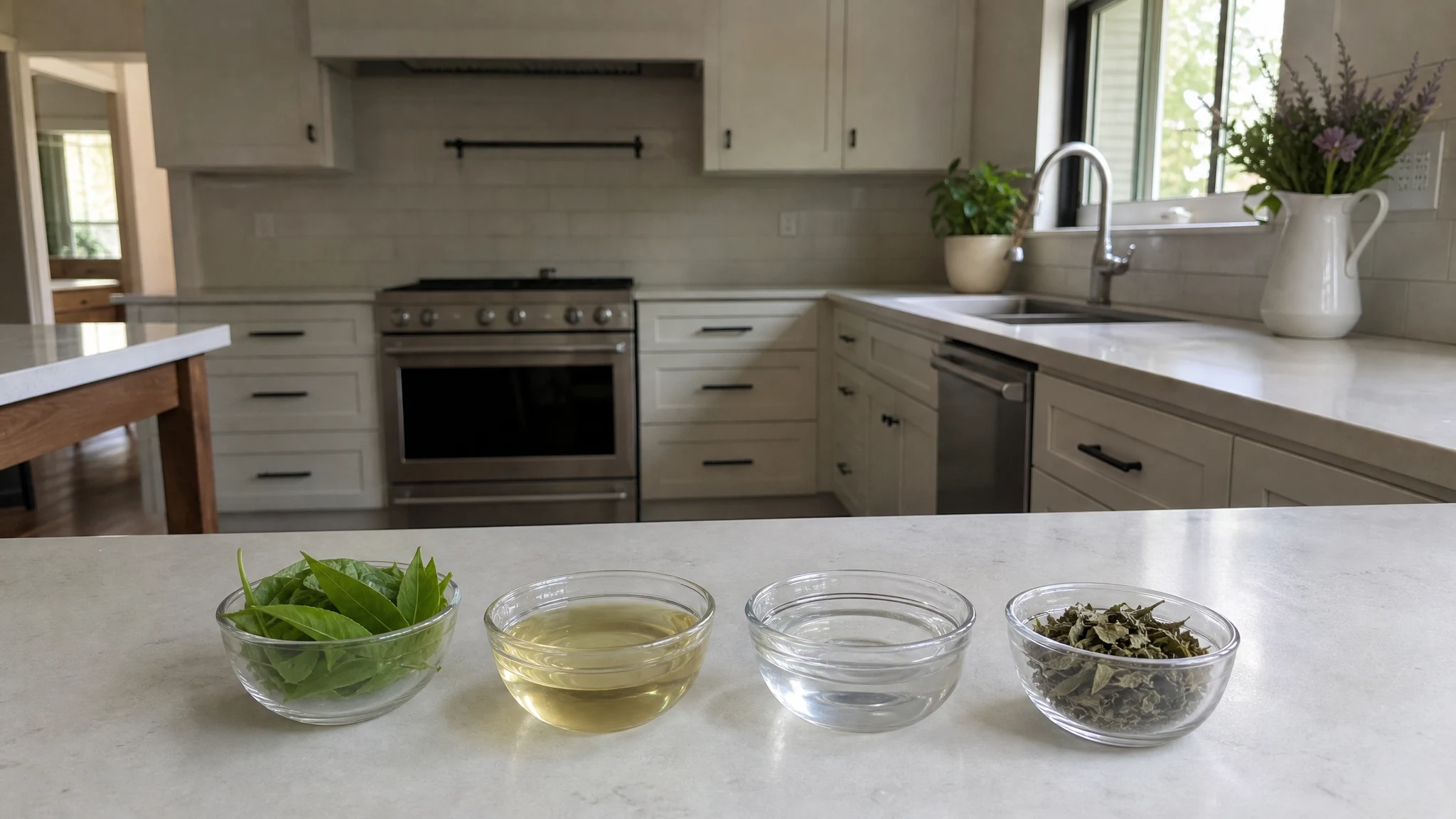
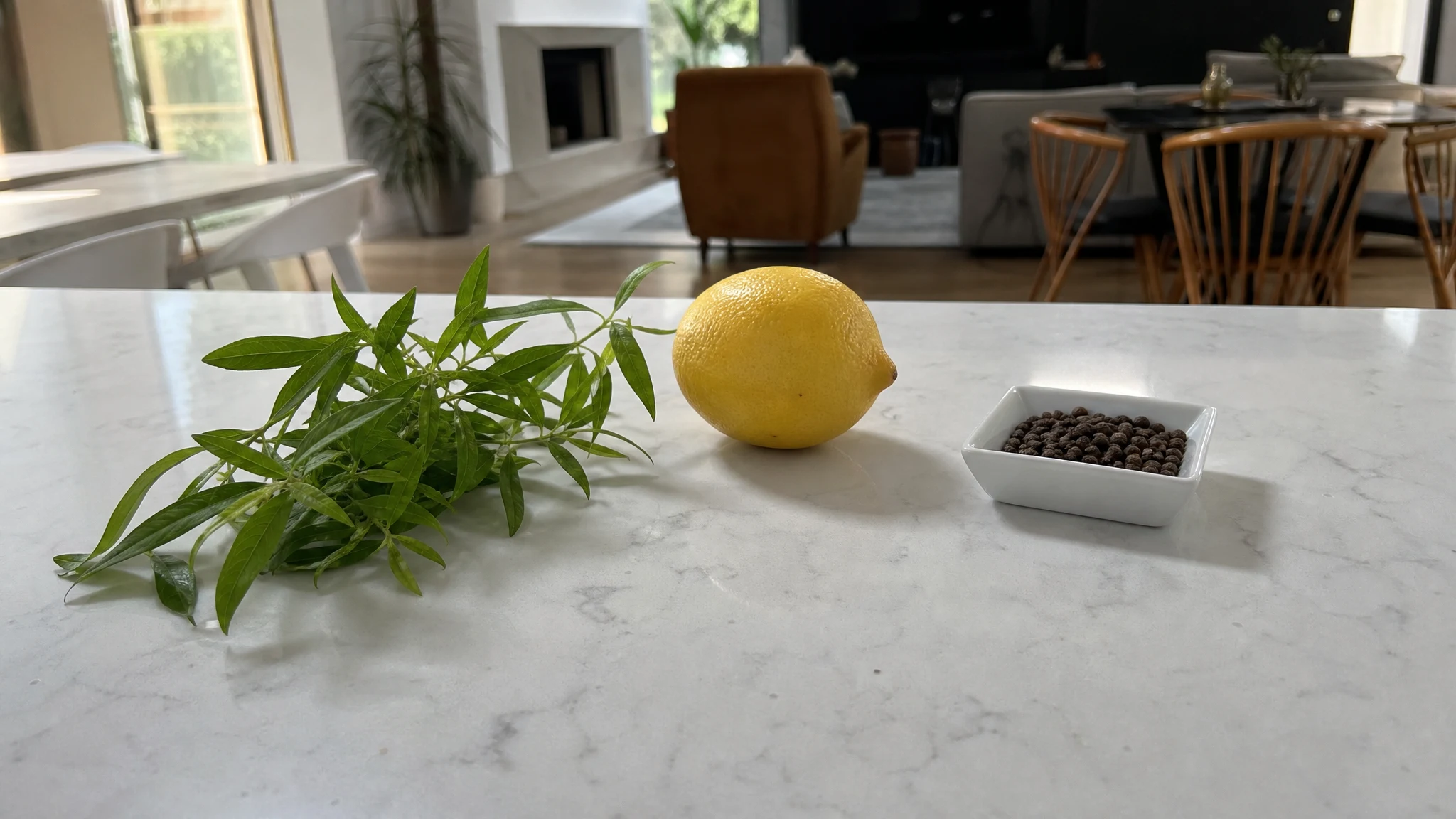
Lemon oil is pressed from the fruit peel with no heat. The European Food Safety Authority describes the process: the peel surface is scarified so the oil cells break open, water is sprayed over the fruit to wash the oil away, and the oil is separated from the water by centrifuge (EFSA, 2021). The result is mostly limonene, 60% to 73% of the oil, with beta-pinene and gamma-terpinene behind it and only a trace of citral (geranial 0.1% to 2%, neral 0.1% to 1.8%).
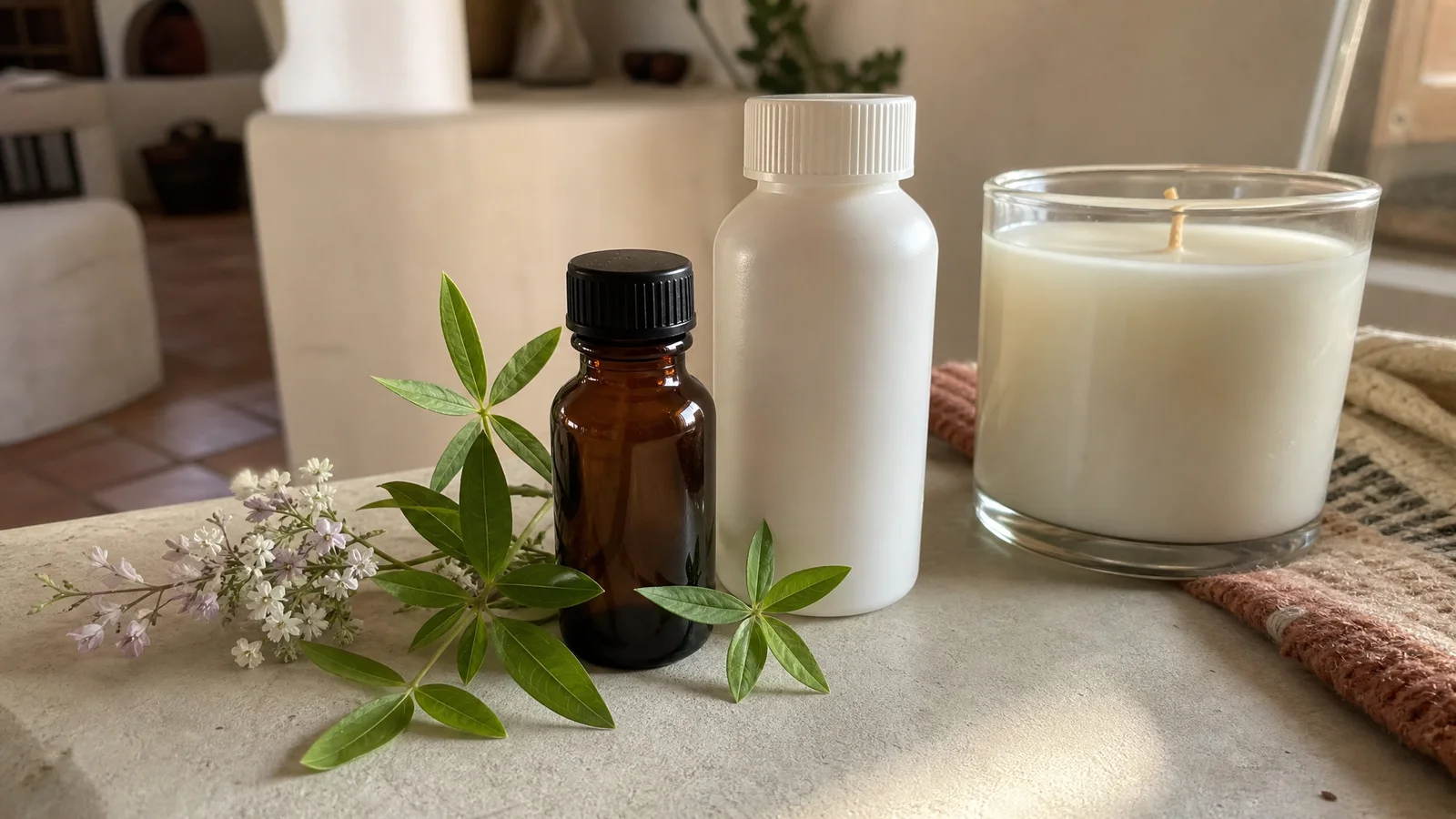
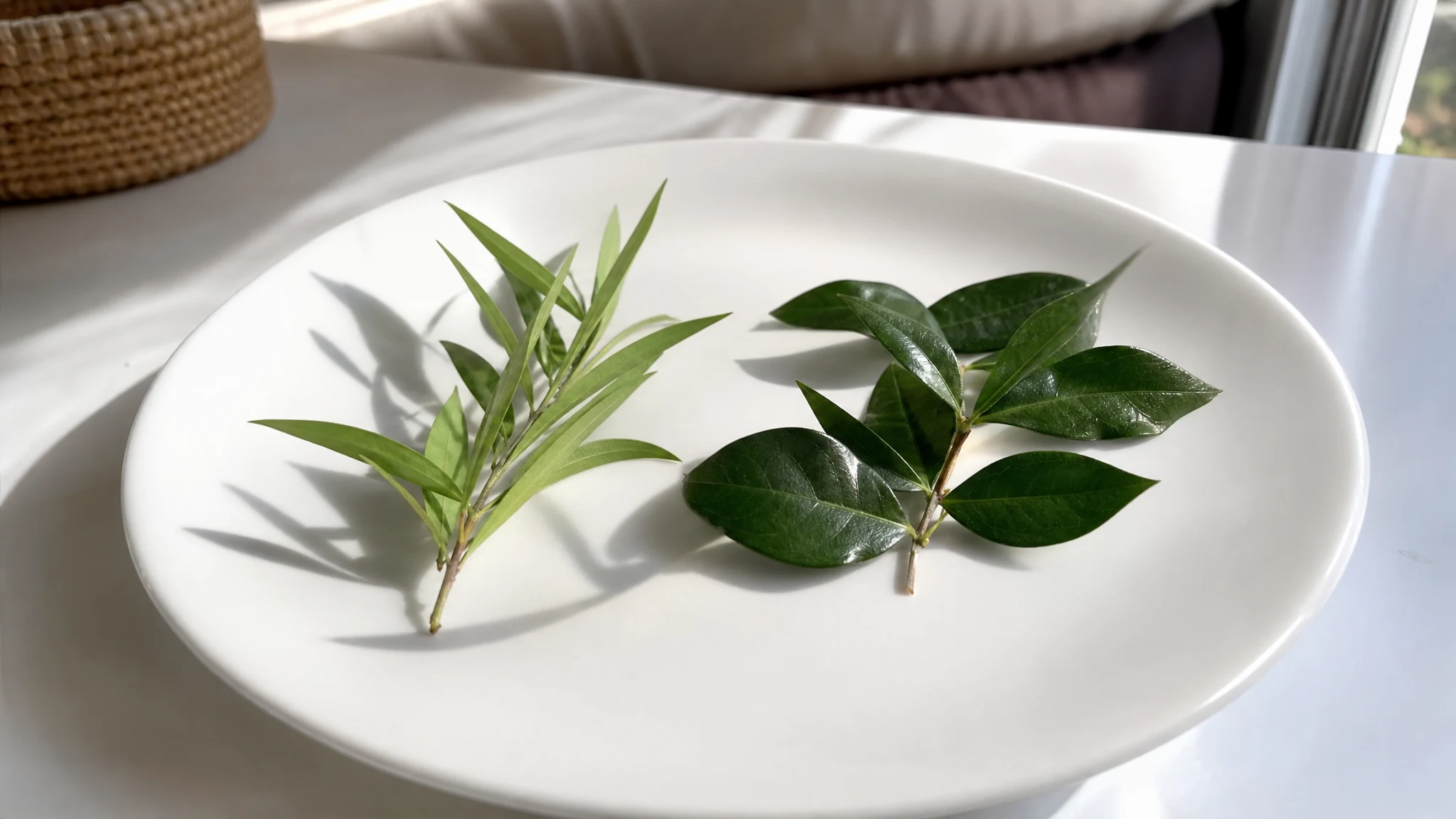
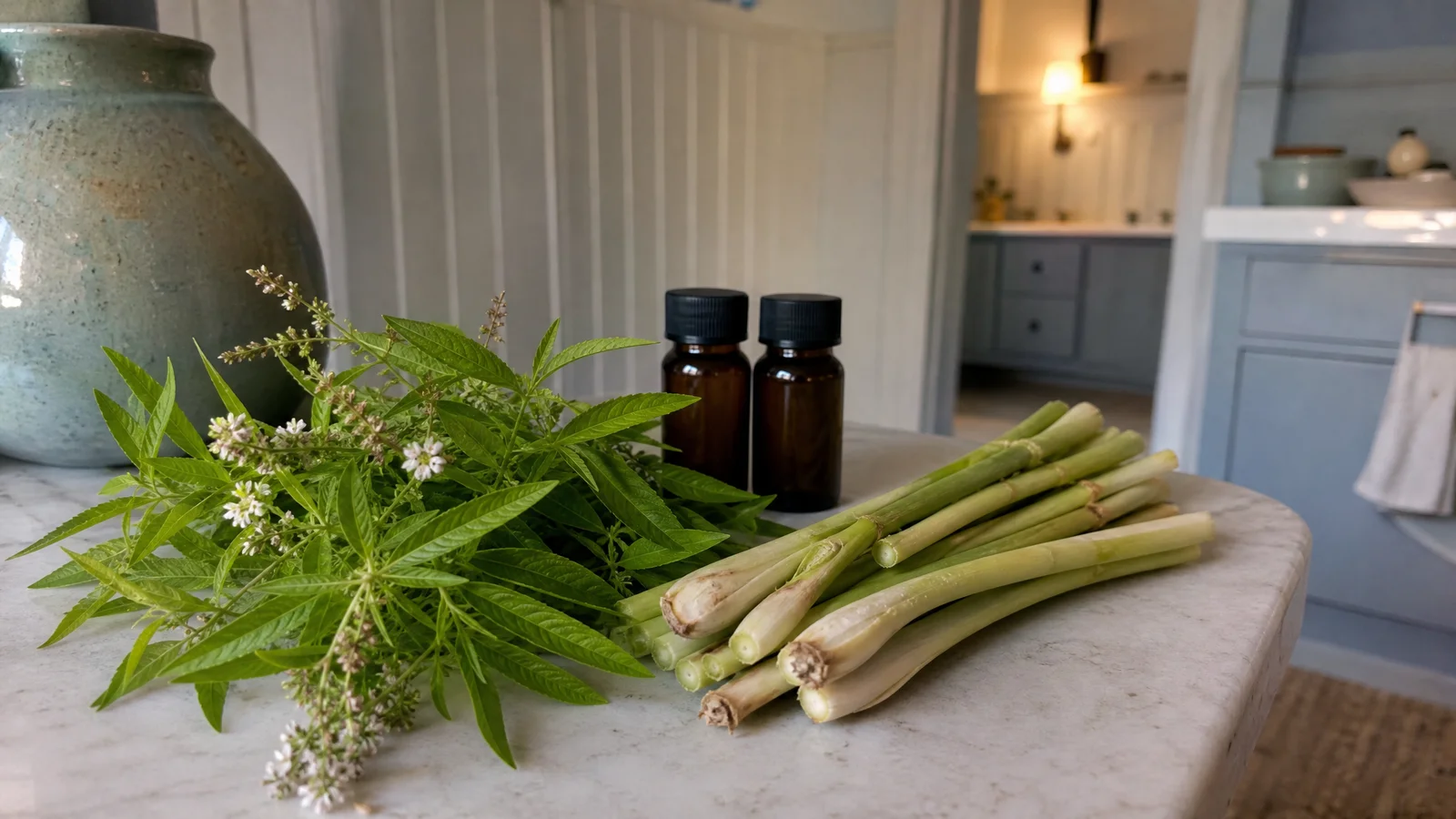
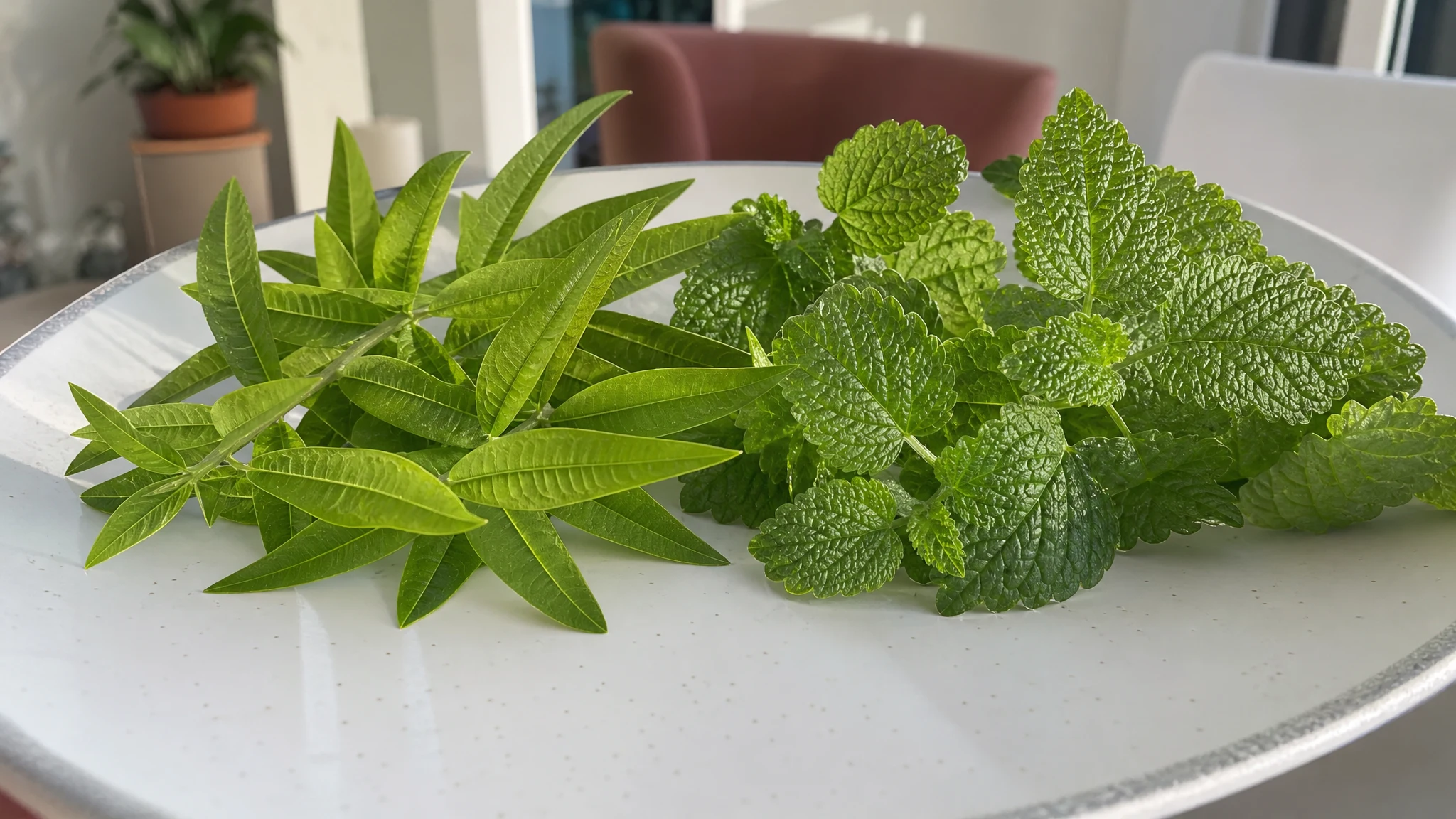
Our lemon verbena oil is steam-distilled from the leaves of Aloysia citrodora. Leaf oils of this plant lean on citral instead of limonene, but how much varies widely. A Portuguese study found geranial and neral together at 34% to 37% of the oil, with limonene around 5% (Sprea et al., 2023). An Ecuadorian oil came in at about 48% citral and 7% limonene (Parichanon et al., 2025). Look further afield and the picture changes again, so a report for the batch in your hand is the only way to know its exact makeup.
What matters in practice is the shape of the aroma. Limonene is the fresh, zesty lemon-peel note, and citral is the rounder, sweeter lemon that reaches toward herbs and flowers. We describe our oil as sparkling, sweet and lemony over a soft herbal-floral heart, and as less acidic and more polished than lemon peel oil. If you want that zesty, juicy peel, lemon oil is the right material, and you will find it at a supply shop since we sell only the verbena. If you want a gentler, more perfumed lemon, that is where verbena earns its place.
How they behave in a blend
Lemon oil is a team player in the loud, fresh way. It lifts a blend the way a squeeze of juice lifts a dish, brightening everything near it, and it fades fairly quickly. Lemon verbena is more like a herb tucked into the same dish: it sits in the middle of a blend and adds a soft, sweet, slightly floral lemon that lingers a little longer. Neither is better. They simply do different jobs at the table.
Two oils, two rules for sun and skin
Both oils ask for some care around sunlight, for different documented reasons. Pressed lemon oil carries furocoumarins, light-reactive molecules that stay behind because pressing, unlike distillation, brings the peel's non-volatile material along. EFSA, quoting the European Pharmacopoeia commentary, lists bergamottin as the largest at 0.12% to 0.4% of the oil. IFRA caps cold-pressed lemon oil at 2.0% in most product categories for that reason, with no restriction at all in a handful of categories, including candles (IFRA Standard on lemon oil cold pressed).
Verbena sits under a different line. IFRA's Standard 083 says verbena oils should not be used as a fragrance ingredient, based on sensitizing and phototoxic potential, and gives category limits only for the absolute (IFRA Standard 083). Our oil is sold neat for personal scenting and craft. We suggest 0.5% to 2% in a carrier with a patch test, we start at the low end ourselves, and we suggest keeping treated skin out of strong sun afterwards. Anyone planning to sell a finished product should check the standard with a regulatory consultant first. Our skin basics article has the practical steps.
The takeaway is that a dilution habit built on lemon oil does not transfer to verbena. They are not mirror images, so each gets its own patch test and its own cautious start.
A kitchen-table comparison
The easiest way to learn the difference is to put a drop of each on its own paper strip. Smell them right away, then again after ten minutes. You will probably notice that the peel note is gone or flattened first, while the leaf note is still turning over and showing new corners. That change over time is a good reason to choose carefully when you are scenting something that will sit in a room all day.
Choosing between them
Match the oil to the effect you are after. For a juicy, peel-bright citrus in a cleaning spray, a kitchen candle or a fresh blend, lemon oil is built for it. For a softer, sweeter lemon with a herbal-floral edge, in a perfume-style blend or a room scent, verbena is what you want.
The Certificate of Analysis for one of our batches lists a relative density of 0.869 and a refractive index of 1.472. If you need a full composition report to compare against the figures above, ask us in writing through the contact page before you order. For the other lemon-scented options side by side, see our six-oil comparison, and for a choice by job rather than by scent, the substitutes guide.
Lemon is the zing and verbena is the perfume; once you have smelled the two side by side, you will not mistake one for the other.
Lemon Verbena Essential Oil
Lemon Verbena Essential Oil from our own shop, in sizes from 0.5 oz to bulk.
From $12.99
Shop Now →Sources & Further Reading
- EFSA FEEDAP Panel, 2021. Safety and efficacy of feed additives consisting of expressed lemon oil and its fractions from Citrus limon (L.) Osbeck and of lime oil from Citrus aurantiifolia (Christm.) Swingle for use in all animal species (FEFANA asbl). EFSA J 19:e06548. PMC8085978
- IFRA. IFRA Standard: Lemon oil cold pressed, 2020 (Amendment 49). IFRA_STD_092
- IFRA. IFRA Standard: Verbena oil and absolute (Lippia citriodora Kunth.), 2020 (Amendment 49). IFRA_STD_083
- Sprea RM et al., 2023. Volatile Compounds and Biological Activity of the Essential Oil of Aloysia citrodora Paláu: Comparison of Hydrodistillation and Microwave-Assisted Hydrodistillation. Molecules 28:4528. PMC10254266
- Parichanon P et al., 2025. Chemical Profiling, Sensory Qualities, and Bioactivities of Essential Oils Obtained from Aloysia citrodora and Bursera graveolens Ecuadorian Plants Against the Mosquito Aedes albopictus (Skuse) (Diptera: Culicidae). Insects 16:202. PMC11857052