Lemon Verbena in Perfumery: The Rules Behind the Scent
Few oils smell as instantly cheerful as lemon verbena: sparkling and sweet, lemony without the sharp bite of peel oil, with a soft herbal-floral heart underneath. You might expect a long paper trail of perfumers falling for it. What exists in the documents we can actually check is something different and, in its way, just as interesting: a record of how the fragrance industry came to write rules about it.
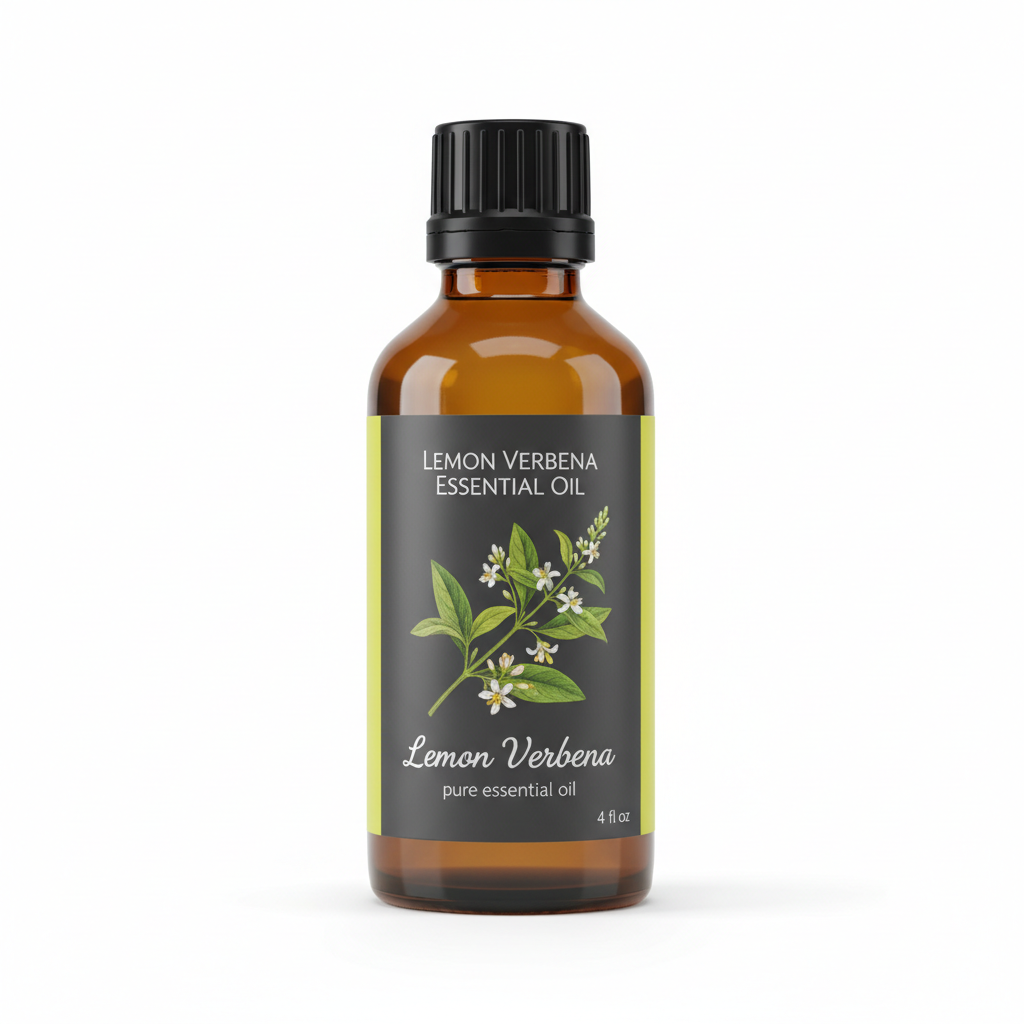
Lemon Verbena Essential Oil
Our own Lemon Verbena Essential Oil, in sizes from 0.5 oz to bulk.
From $12.99
Shop Now →A name from 1784
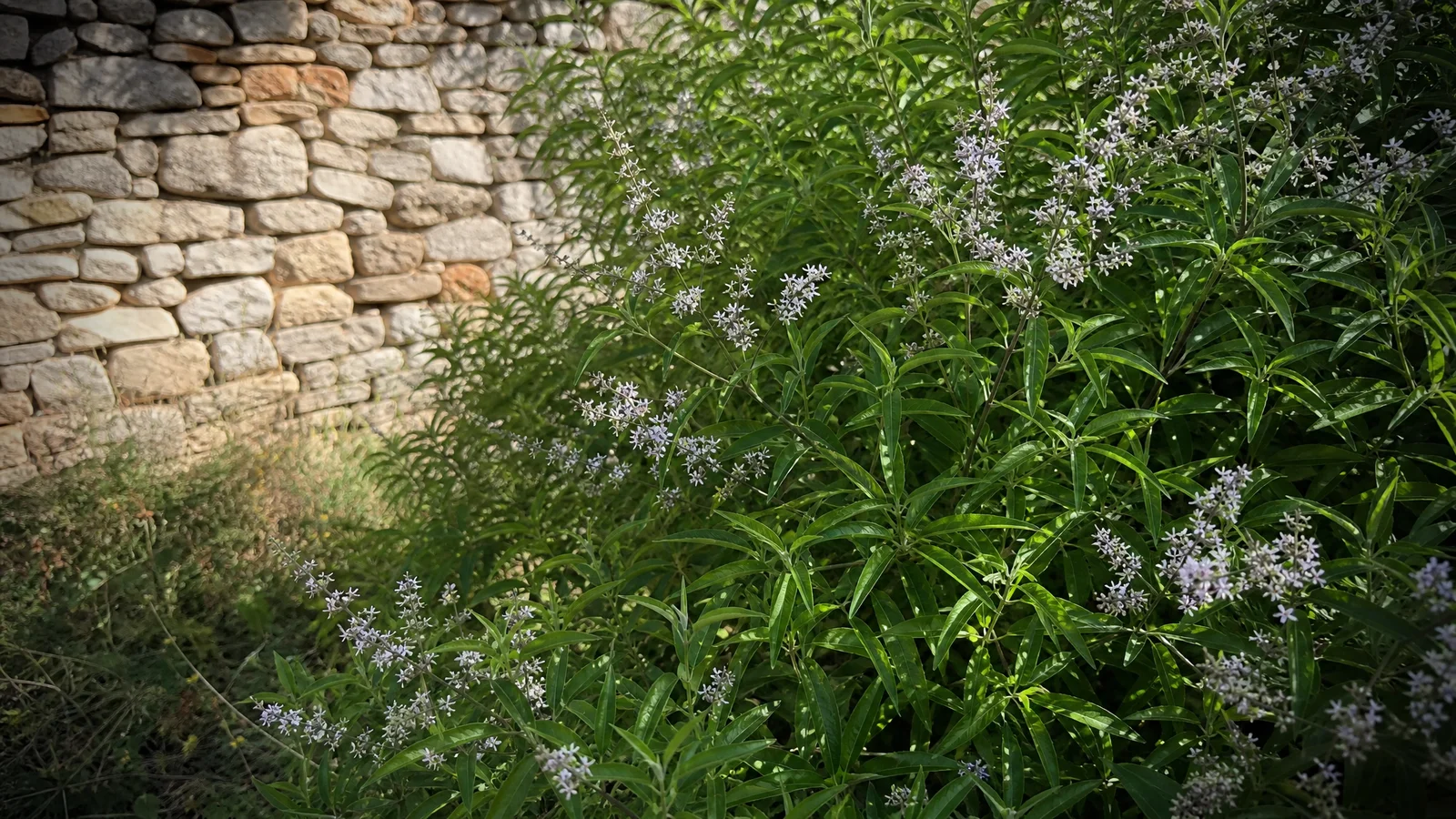
The earliest firm date is botanical. The USDA's taxonomy record credits Paláu with publishing the name Aloysia citrodora in 1784 (USDA GRIN). That marks when the plant got its Latin name, which is not the same moment as the first bottle of scent. For the stories that often sit around this plant, about particular houses and famous dressing tables, we prefer to wait for documents, so our timeline sticks to what has dates attached.
The rulebook timeline
The fragrance industry's safety body, IFRA, lists its verbena Standard as first published in 1987 and revised in 2010, with the current text in Amendment 49 of 2020 (IFRA, Verbena oil and absolute). In Europe, Commission Directive 2009/164/EU amended the cosmetics annexes so that verbena essential oils other than the absolute are prohibited as fragrance ingredients, and the absolute may not exceed 0.2% of the finished cosmetic (Directive 2009/164/EU). That directive has since been replaced by newer cosmetics law, so anyone selling in the EU should read the current text.
The IFRA wording for the oil is direct: verbena oils "should not be used as a fragrance ingredient, based on its sensitizing and phototoxic potential", and the Expert Panel for Fragrance Safety recommends not using verbena oil in any finished product application. The Standard's implementation dates were 10 February 2021 for new fragrance creations and 10 February 2022 for existing ones, and they apply to the fragrance mixtures that houses supply to product makers, not to products already on the market.
The absolute and the oil are different materials
This is the detail that explains a lot. The Standard's category limits are for the absolute, an extract made with solvents, which is a different material from a steam-distilled oil. Per the Standard, the absolute may be used within limits: 0.69% in fine fragrance, 0.17% in leave-on face and body products, 1.3% in rinse-off products such as bar soap, and no restriction in products not meant for skin contact, like candles. The same Standard states that only verbena absolutes can be used as a fragrance ingredient. We sell the steam-distilled oil, so none of those figures are ours to quote for it, and the category names themselves come from IFRA's guidance document (IFRA, Guidance for the use of IFRA Standards).
Citral, the lemony compound that lemon verbena shares with lemongrass and litsea, has its own IFRA Standard too, capping it at 0.60% in fine fragrance and 0.15% in leave-on body products (IFRA, Citral). We have not found a published statement on how the two Standards combine for verbena, so we leave them side by side.
Who the rules reach
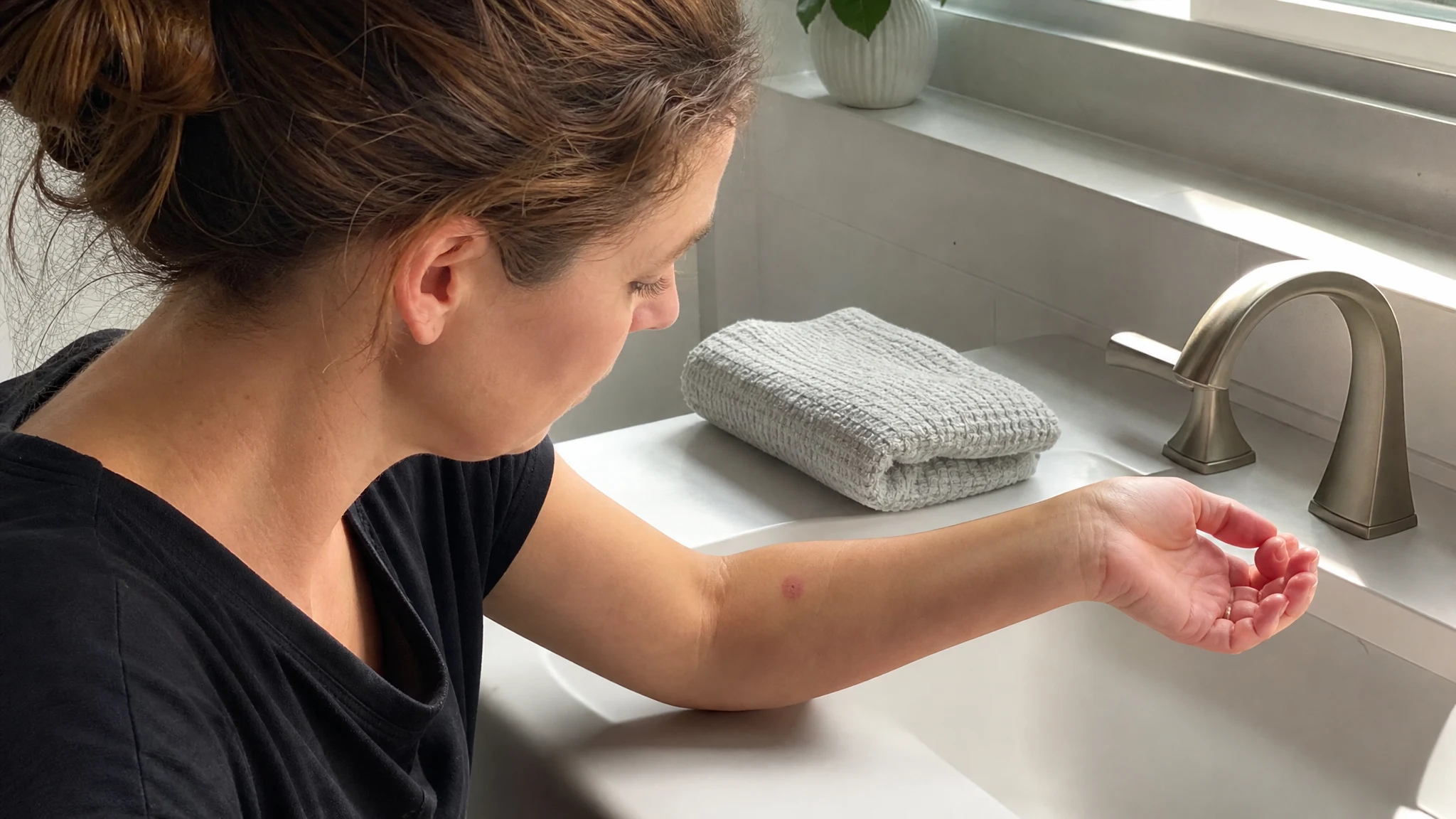
IFRA is the industry's self-regulatory body, and its Standards govern what member fragrance houses supply to product makers. The EU directive governs cosmetics sold in the EU. Neither is addressed to someone scenting a candle or a perfume for personal use, as we read them. The reasons given, sensitization and phototoxicity, apply to anybody's skin, though. That is why, for skin use, we suggest starting at the low end of the 0.5% to 2% range in a carrier oil, patch testing first and keeping treated skin out of strong sun. If you plan to sell something that contains the oil, take the Standard to a regulatory professional before you buy, because it applies to the formula and not to the intention.
A scent that earns its attention
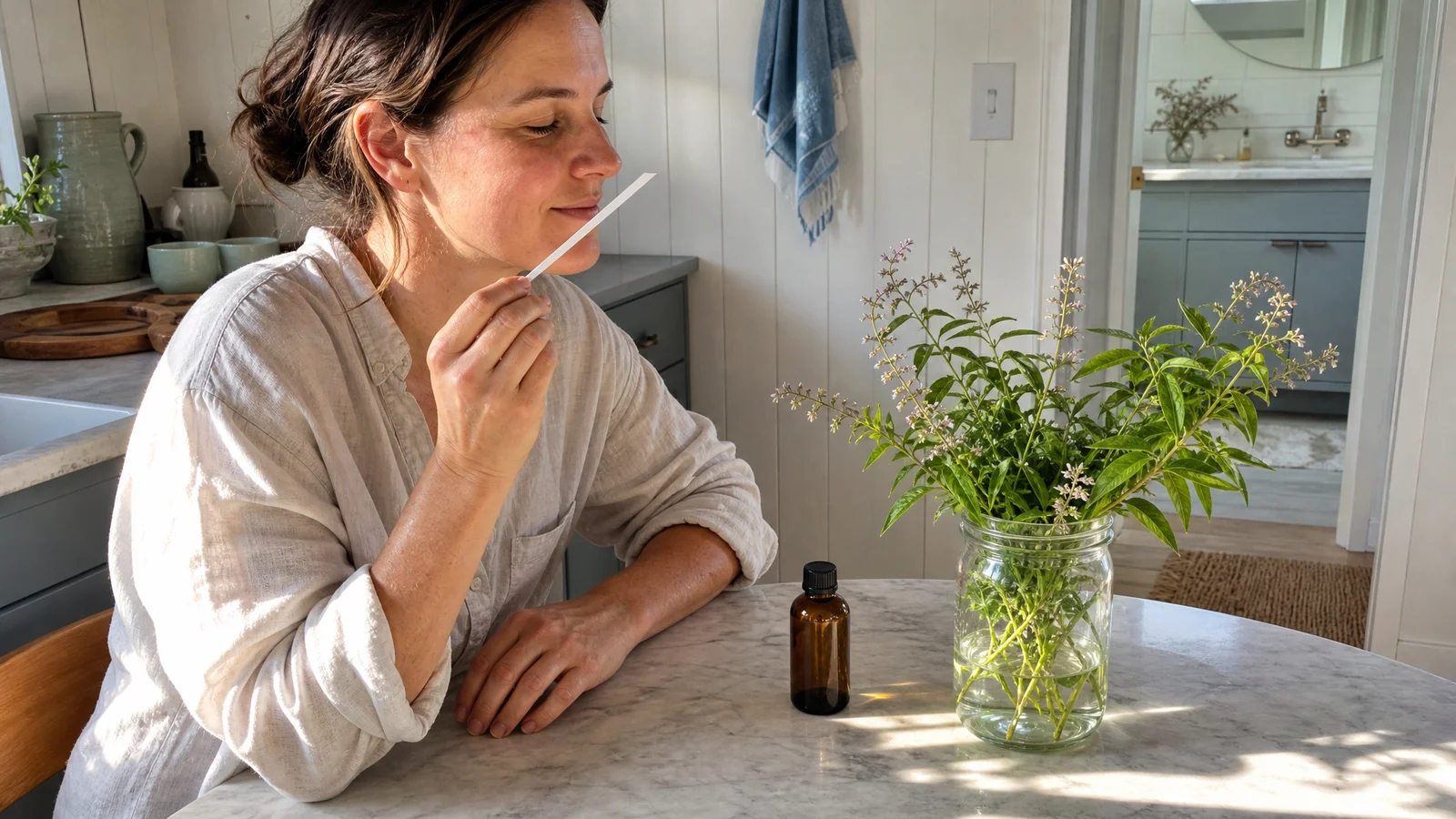
It is easy to see why a scent like this gets noticed. Lemon verbena is the kind of top note that makes a blend feel awake: it arrives first, bright and clean, then eases back to let softer notes speak. Even a tiny amount carries. If you are learning to blend, it is a good teacher, because you hear immediately what happens when you add one drop too many.
Whatever you make, write down what goes in. Notes with dates and amounts turn a happy accident into something you can repeat, and they are exactly what a regulatory professional will ask for if a hobby ever becomes a business.
What this leaves a perfumer, and a hobbyist
Reasoning from the Standard's text, a perfumer working to IFRA has three routes: the absolute, which comes from a perfumery supplier; other materials that give a lemony top note within the citral cap; or a base that does not claim verbena at all. None of the sources we read says which route any house chose. For personal projects, our rollerball article works through the dose arithmetic, and our comparison of oil, absolute and hydrosol explains how the extracts differ. For a fuller walk through the Standard itself, see our article on what the text says, and the safety guide for the skin side.
There is a certain charm in a scent so bright that an industry wrote careful rules around it. If you love the aroma, the details are worth reading once, and then the oil is yours to enjoy within them.
Lemon Verbena Essential Oil
Lemon Verbena Essential Oil from our own shop, in sizes from 0.5 oz to bulk.
From $12.99
Shop Now →Sources & Further Reading
- USDA Agricultural Research Service. Germplasm Resources Information Network (GRIN) taxonomy record for Aloysia citrodora Paláu. npgsweb.ars-grin.gov
- IFRA Standard: Verbena oil and absolute (Lippia citriodora Kunth.), Amendment 49. ifrafragrance.org
- IFRA Standard: Citral, Amendment 49. ifrafragrance.org
- Commission Directive 2009/164/EU of 22 December 2009 amending, for the purpose of adaptation to technical progress, Annexes II and III to Council Directive 76/768/EEC concerning cosmetic products (Text with EEA relevance). legislation.gov.uk
- IFRA. Guidance for the use of IFRA Standards, 51st Amendment. ifrafragrance.org