Does Lemon Verbena Repel Mosquitoes? What a Lab Found
Every few years a study turns up showing that a fragrant plant oil keeps mosquitoes off human skin, and lemon verbena got its turn in 2025. It is an interesting result, and it is worth reading closely, because a lab finding about one oil in one cage is a long way from something you would trust on a camping trip. We sell lemon verbena oil as a scent and craft material, not as a repellent, so think of this as a curious-reader tour of the research.
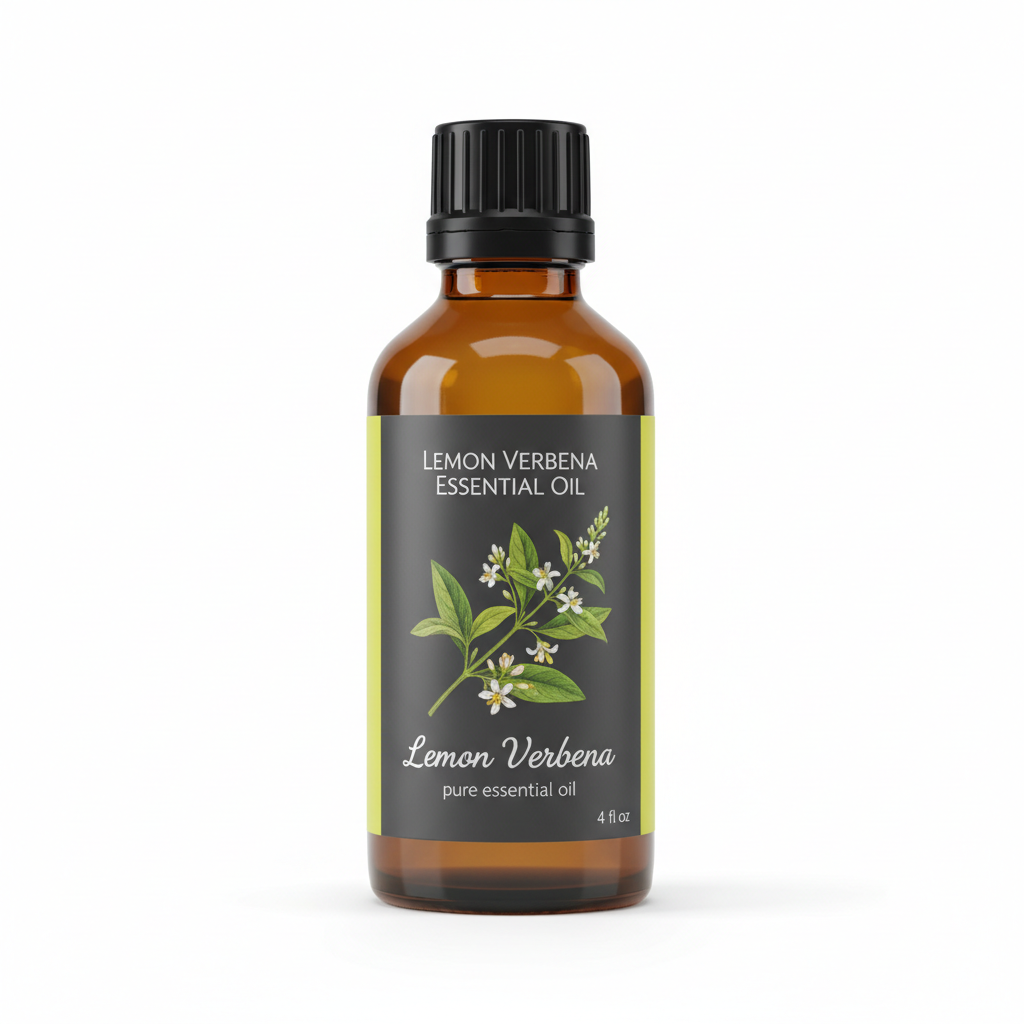
Lemon Verbena Essential Oil
Our own Lemon Verbena Essential Oil, in sizes from 0.5 oz to bulk.
From $12.99
Shop Now →What the researchers did
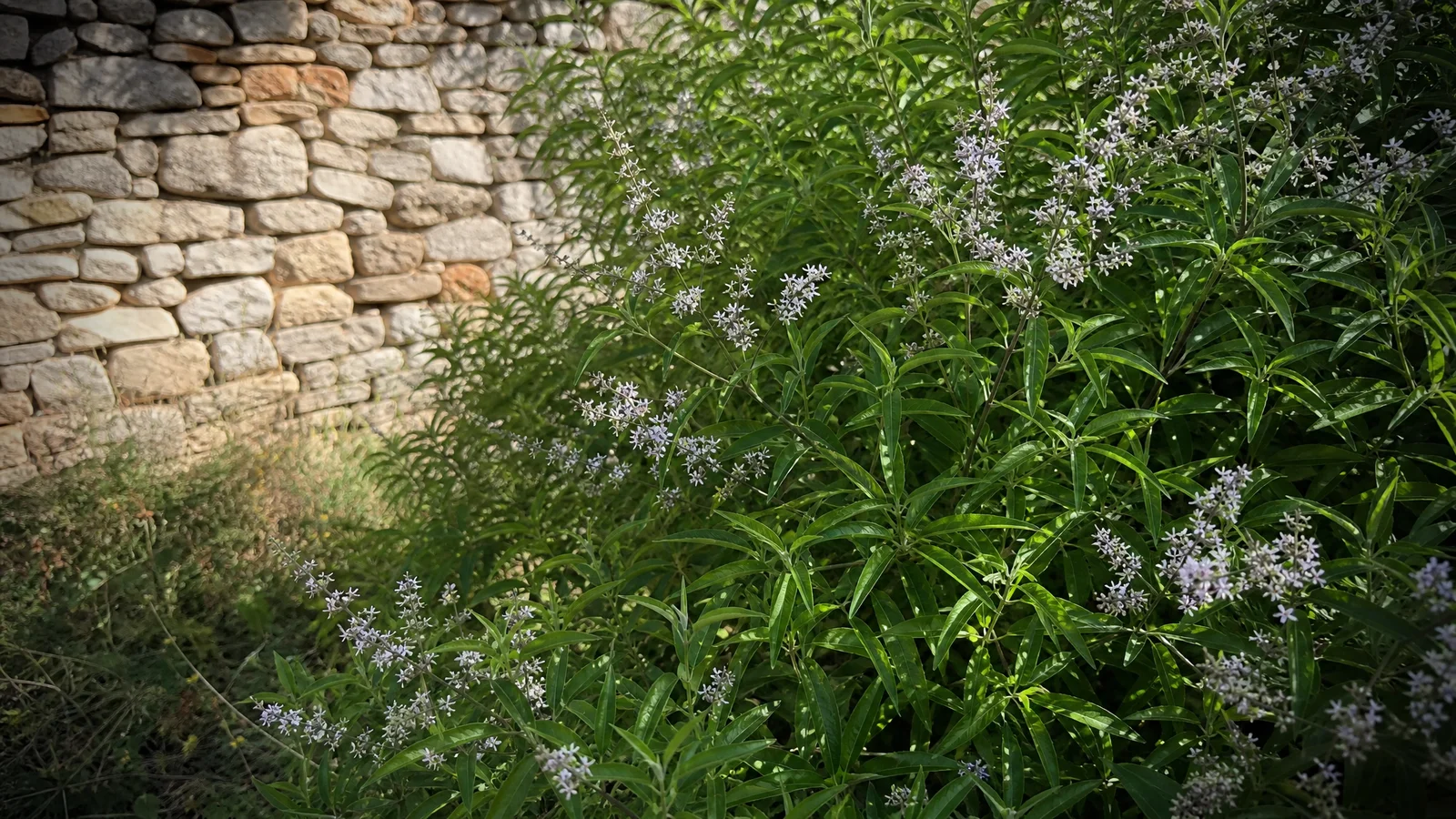
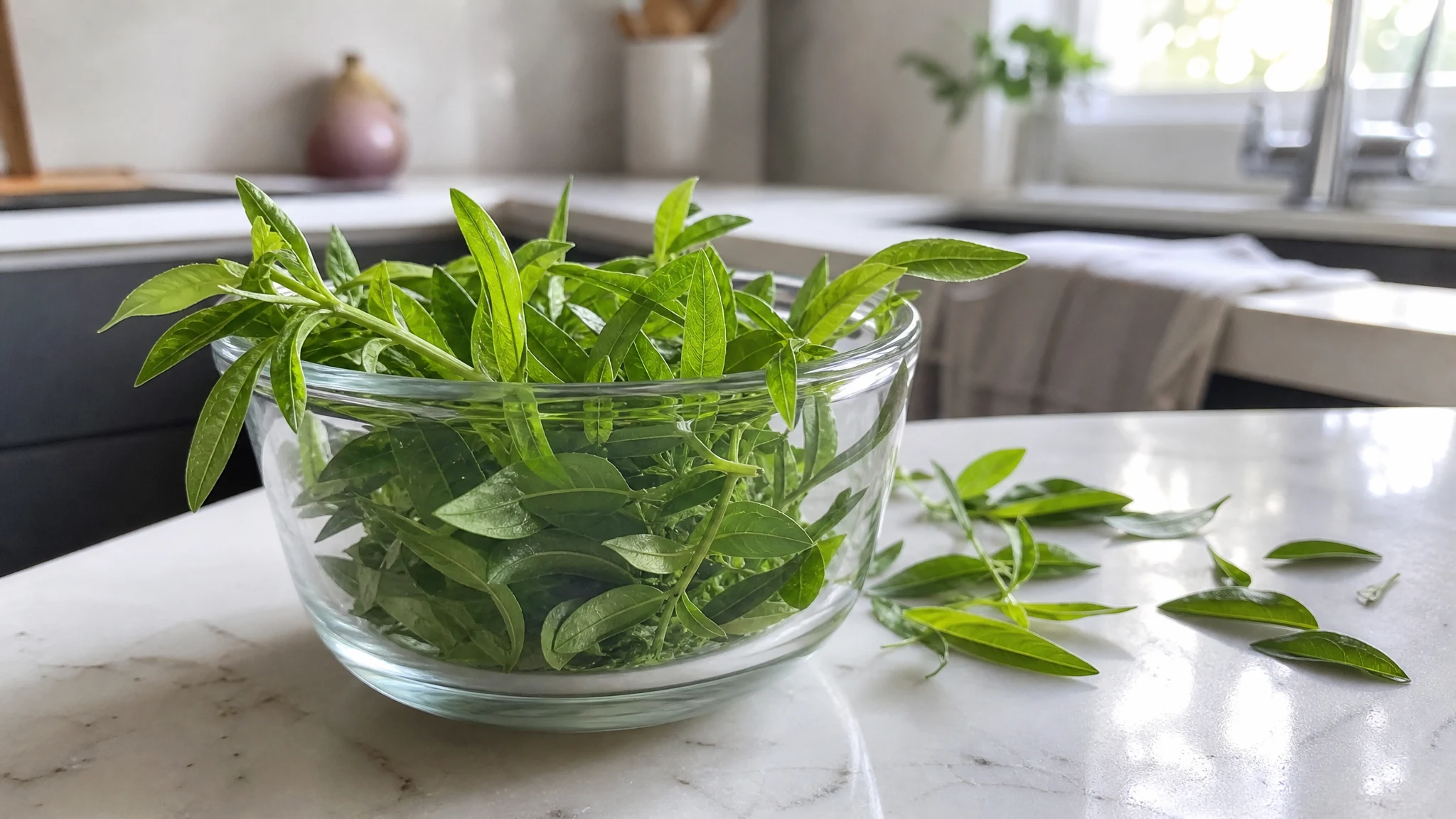
A team in Italy distilled lemon verbena leaf from cultivated plants in Ecuador's Intag Valley and tested it against the Asian tiger mosquito, Aedes albopictus. In the repellency test, ten volunteers each put the oil on a 25 square centimetre patch of skin on one hand, then held it for a few minutes in a cage of hungry mosquitoes at set intervals over 45 minutes. This "arm-in-cage" design follows a World Health Organization protocol, and the ethanol-treated hands served as the comparison.
At the highest dose (0.20 microlitres per square centimetre) the oil gave full protection at five minutes and still protected about 68% at 45 minutes. Against DEET at a lower dose, the authors saw no significant difference during the first 15 minutes, but by the end of the test they reported DEET ahead. They suggest the volatile components that make the oil smell so bright are the same ones that evaporate or break down over time. They propose stabilising the oil, for instance by encapsulation, as a next step.
Why the cage matters
It helps to picture the setup. A hand goes into a cage, mosquitoes crowd toward it, and a timer runs. It is deliberately harsh: the insects are hungry, the air is still, and there is nowhere else for them to go. A scent that holds up there is doing something real, which is why the result deserves a respectful look. A garden evening is a far gentler test, and it is also a far less controlled one, with breezes, sweat, clothing and other people all changing the picture.
Two other results from the same paper
The oil also did well against mosquito larvae in water, with a lethal concentration of 88.54 microlitres per litre, and it reduced egg-laying in a field test, although a second oil in the study (palo santo) did better on that measure. Those are questions about breeding sites, not bites, so they should not be blended into the repellency story.
The researchers also described the oil's aroma as citral-like and pleasant, which is a nice detail if you love the scent, and it is the only part of this research that speaks to how the oil is actually used in our world.
Why we call it promising and stop there
Ten people, one mosquito species, one oil from one place and 45 minutes is a screening result. Lemon verbena oil varies widely in composition from region to region (our origin article walks through how much), so another bottle could behave differently. A product label also has to promise hours, not minutes, and a lab test of this kind cannot say what a lotion, sweat or a warm evening would do.
Public-health agencies draw the same line. The CDC recommends EPA-registered repellents and lists DEET, picaridin, IR3535, oil of lemon eucalyptus, para-menthane-diol and 2-undecanone as active ingredients to look for. On the alternatives it says plainly that the effectiveness of non-registered products, including some natural repellents, is not known. EPA's own list of skin-applied repellent ingredients does not include lemon verbena or citral either.
There is a second, regulatory twist. EPA lets some low-risk products skip registration, but under that route a label cannot claim to control disease-carrying mosquitoes. So a product that promises protection from them needs to be registered, and a product that is not registered cannot honestly promise it. Rules change, so check the current EPA page before you decide.
Enjoying the scent without the promises
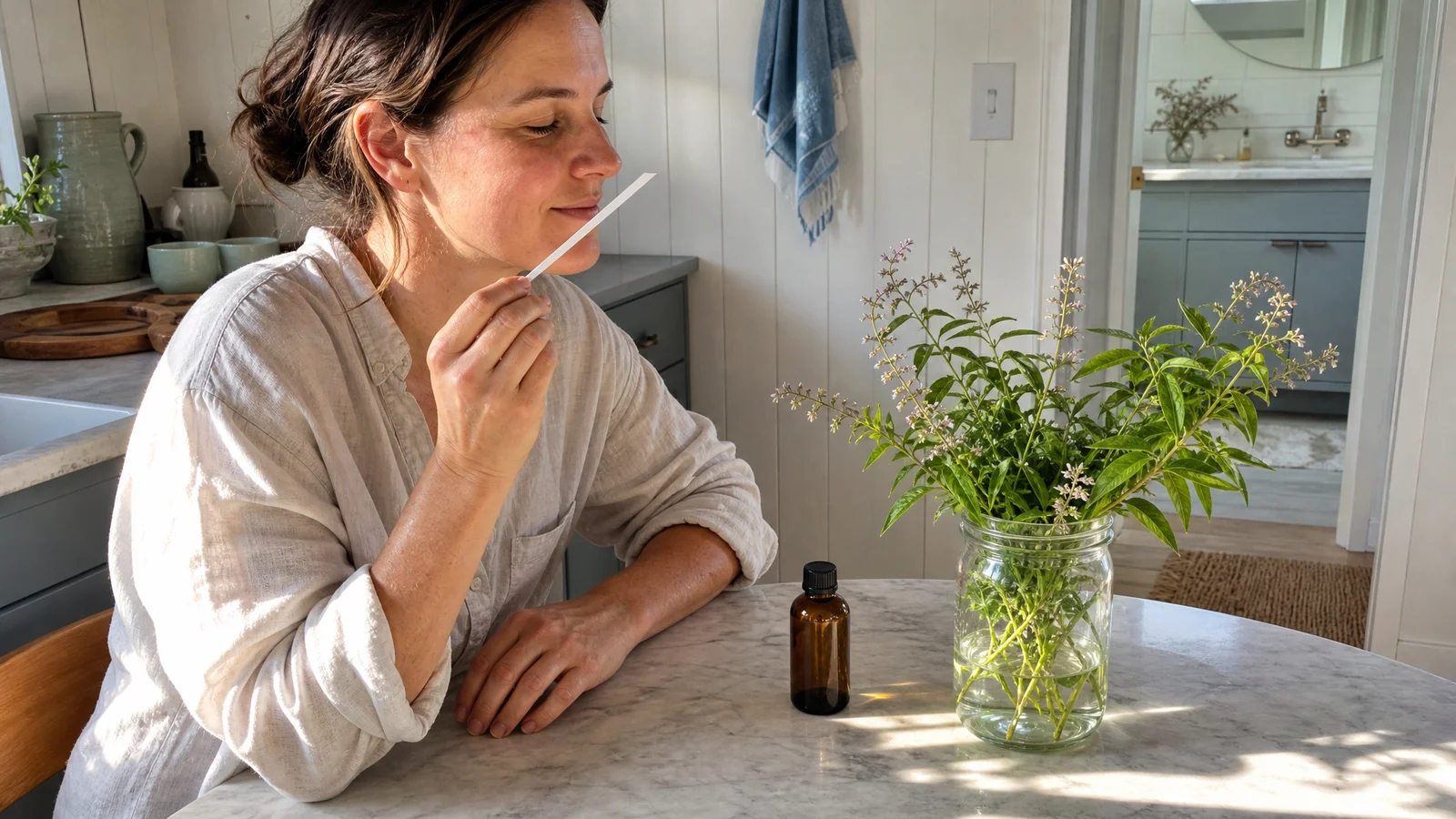
There is a happy middle path for anyone who simply loves a lemony summer evening. Put a cloth or a bit of paper scented with a drop or two of the oil near where you sit, and treat it as atmosphere, the way you would a candle or a vase of herbs. It will make the porch smell wonderful, and that is the whole job. Keep it away from food and from where children or pets can reach it, and leave the protecting to a labelled product.
Many of us who love these oils are tempted to ask a bottle to do everything. We think the bottle is better when you ask it to do one thing well, and for lemon verbena that one thing is smelling like a sunlit herb garden.
Where lemon verbena belongs
If you are travelling somewhere mosquito-borne illness is a concern, a physician or travel clinic is the right person to ask, and CDC destination guidance is the right reading. For a garden evening, a registered repellent used as labelled is the documented choice.
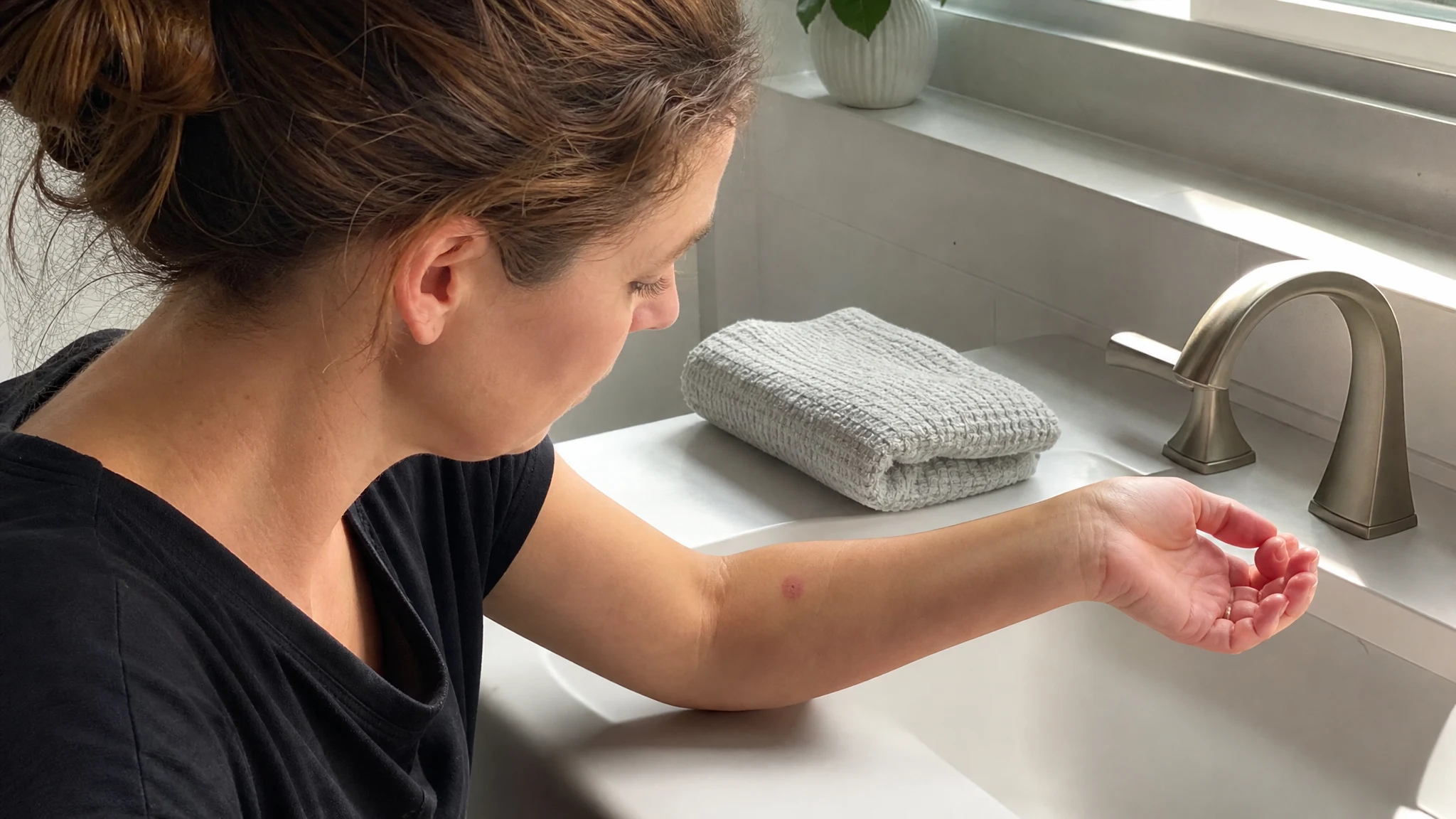
Our oil is a neat, steam-distilled leaf oil for scent: diffusers, perfumery and craft projects. If it goes on skin at all, our guidance is 0.5% to 2% in a carrier with a patch test first, and our oil should stay away from eyes, children and pets. Treated skin should also stay out of strong sun, since verbena can be mildly photosensitising, which is a good reason not to treat it as an outdoor product. Pet households should read our note on cats and dogs first, and the safety guide covers the rest.
It is a lovely scent and an intriguing bit of research. Enjoy it for what it is, and let the repellent shelf do the repelling.
Lemon Verbena Essential Oil
Lemon Verbena Essential Oil from our own shop, in sizes from 0.5 oz to bulk.
From $12.99
Shop Now →Sources & Further Reading
- Parichanon P et al., 2025. Chemical Profiling, Sensory Qualities, and Bioactivities of Essential Oils Obtained from Aloysia citrodora and Bursera graveolens Ecuadorian Plants Against the Mosquito Aedes albopictus (Skuse) (Diptera: Culicidae). Insects 16(2):202. PMC11857052
- CDC. Preventing Mosquito Bites. cdc.gov
- US EPA. Skin-Applied Repellent Ingredients. epa.gov
- US EPA. Personal Insect Repellents and Minimum Risk Pesticides. epa.gov