Can You Cook With Lemon Verbena Oil? Use the Leaf
Anyone who has rubbed a lemon verbena leaf between their fingers knows why cooks love it: a clean, sweet lemon scent with a green, herbal edge that perfumes a pot of milk or a jug of syrup in minutes. It is a plant made for the kitchen. The essential oil we sell is a different thing entirely, made for scent and craft, and the clearest way to see why is to count what one drop contains.
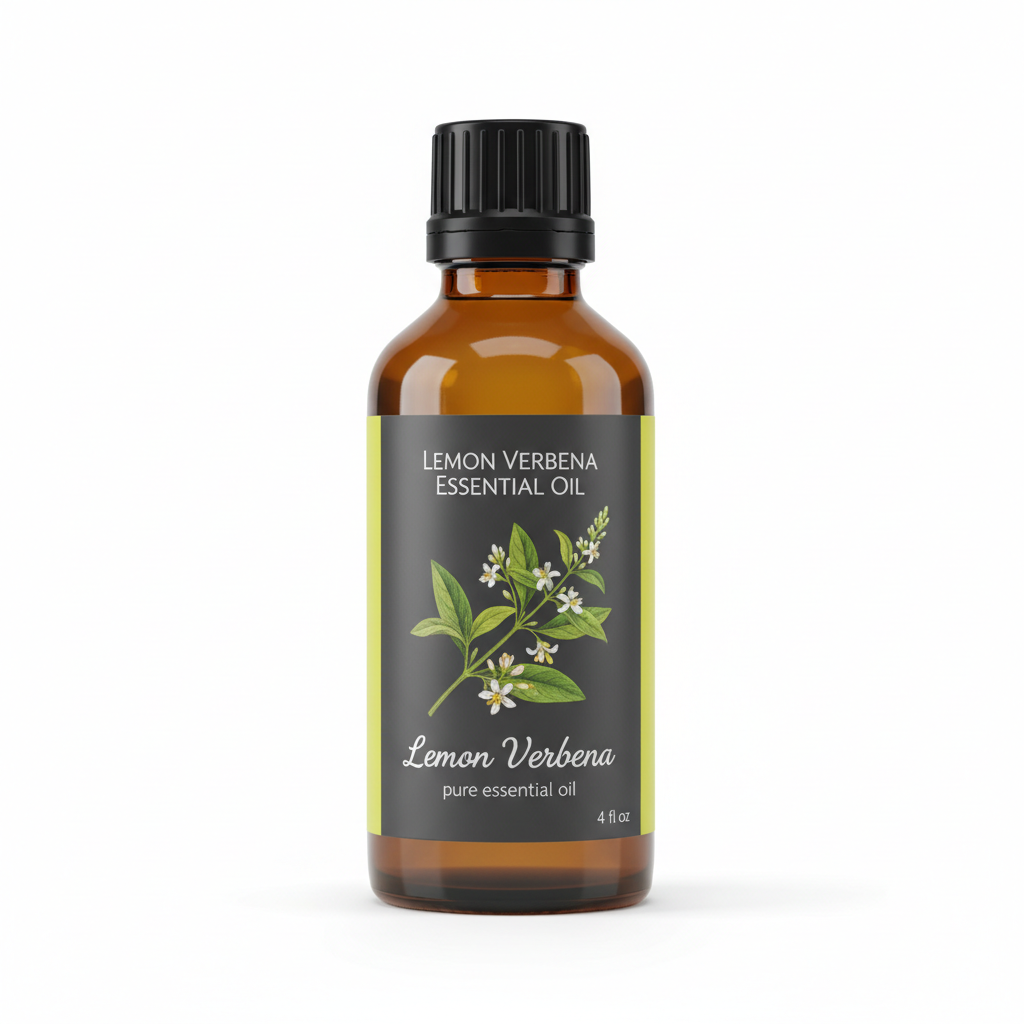
Lemon Verbena Essential Oil
Our own Lemon Verbena Essential Oil, in sizes from 0.5 oz to bulk.
From $12.99
Shop Now →What a drop really holds
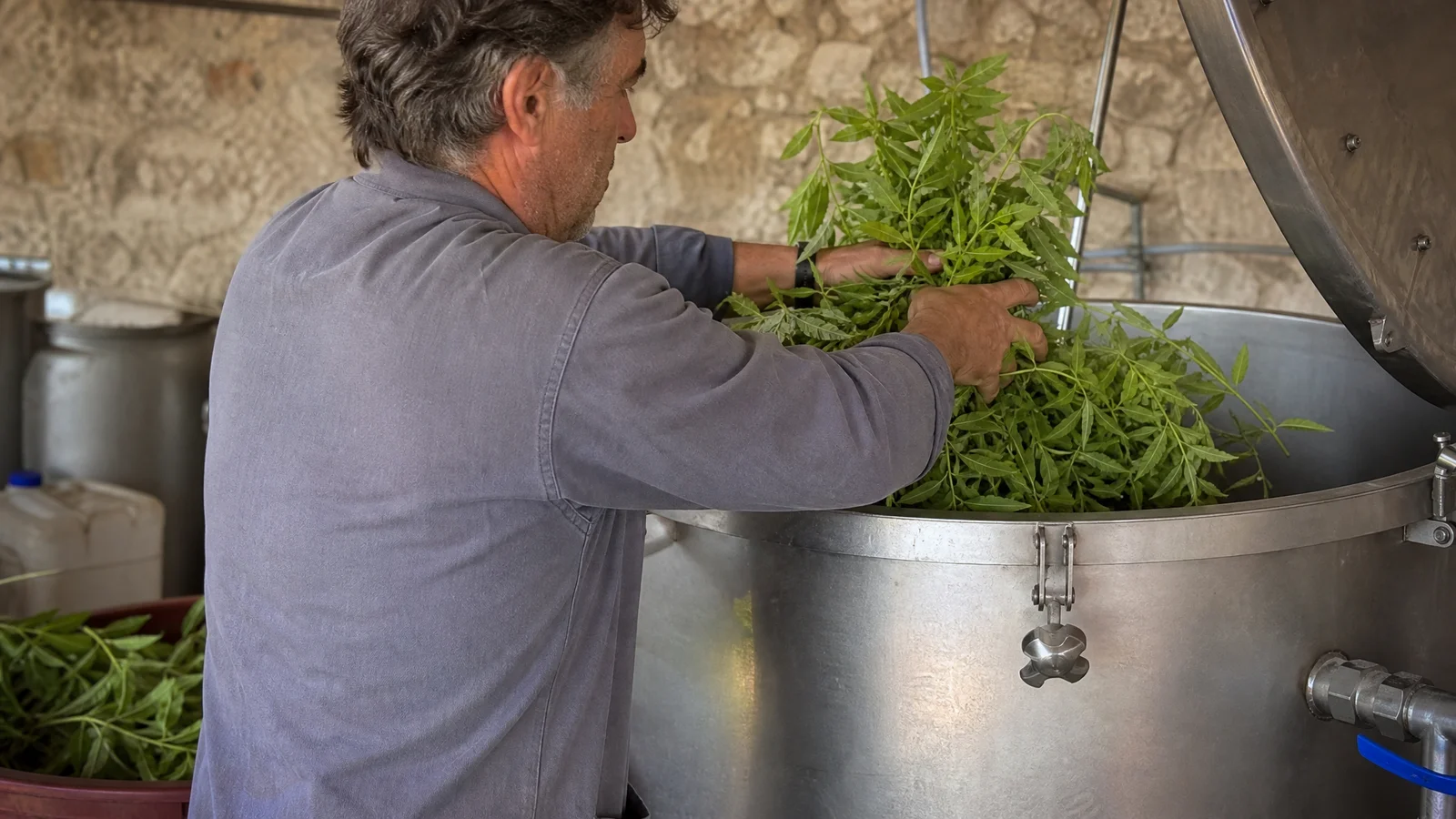
The certificate we publish for one batch lists a relative density of 0.869, so a millilitre weighs about 0.869 g. At the common rule of thumb of 20 drops to the millilitre, one drop is roughly 43 mg. Now ask how much leaf it takes to yield that. In a Portuguese study of commercial dried leaf, conventional distillation gave 1.05% oil and a microwave method gave 1.29%. In an Ecuadorian sample the yield was only 0.18%.
Run the numbers and one drop is everything distillable from about 3 to 4 g of that Portuguese leaf, or about 24 g of the Ecuadorian leaf. The only dosing the European Medicines Agency publishes for the plant is for tea, around 1 to 3 g of leaf in a 200 ml cup depending on the use. So a single drop of oil packs the aroma of several cups of tea, and the real gap is wider because an infusion never extracts everything. That is the whole reason a recipe line like "swap in a drop of oil for the leaf" cannot be trusted, and why our oil is not a food ingredient. It is sold neat and is not for internal use.
What the leaf is good for
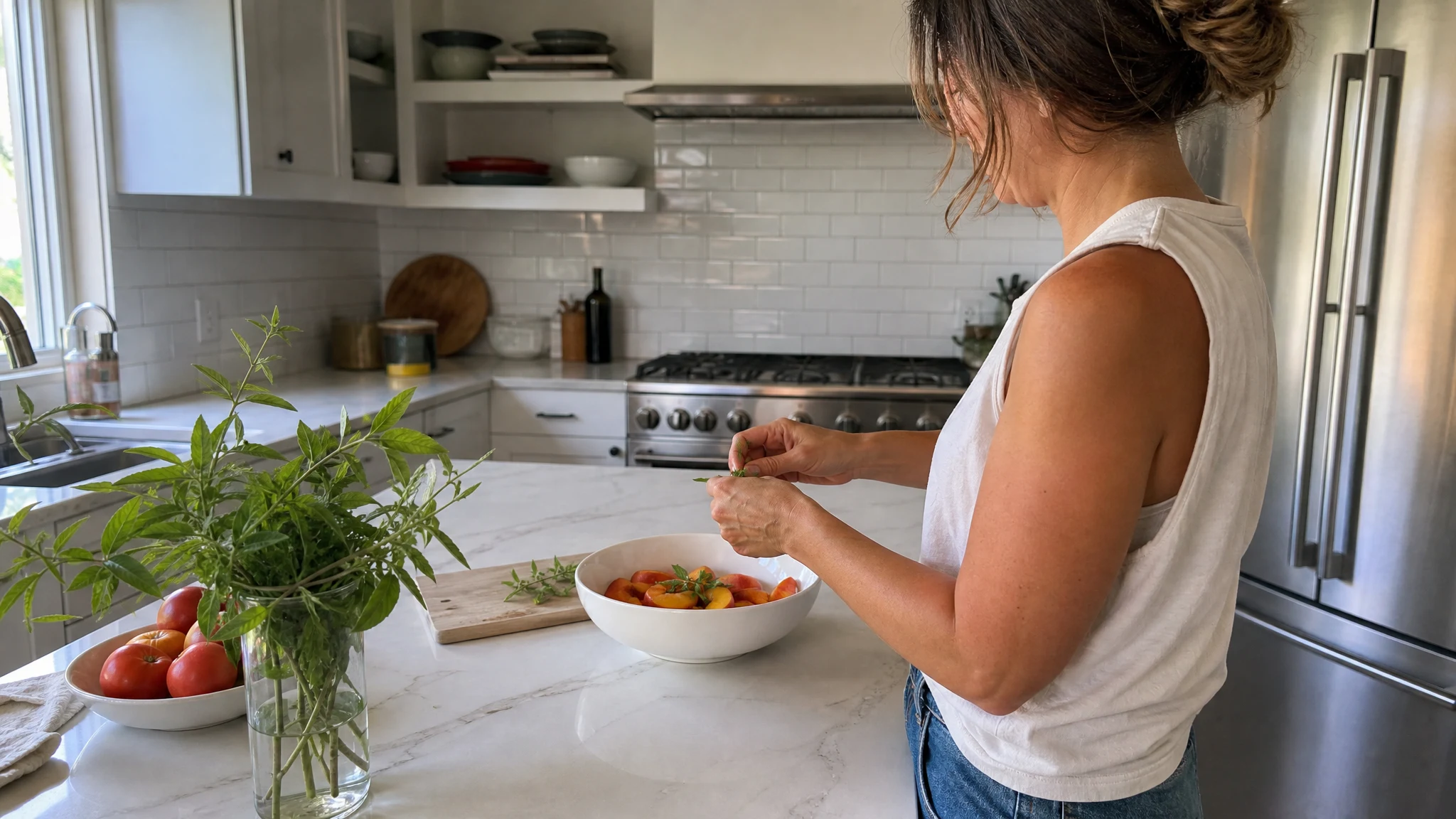
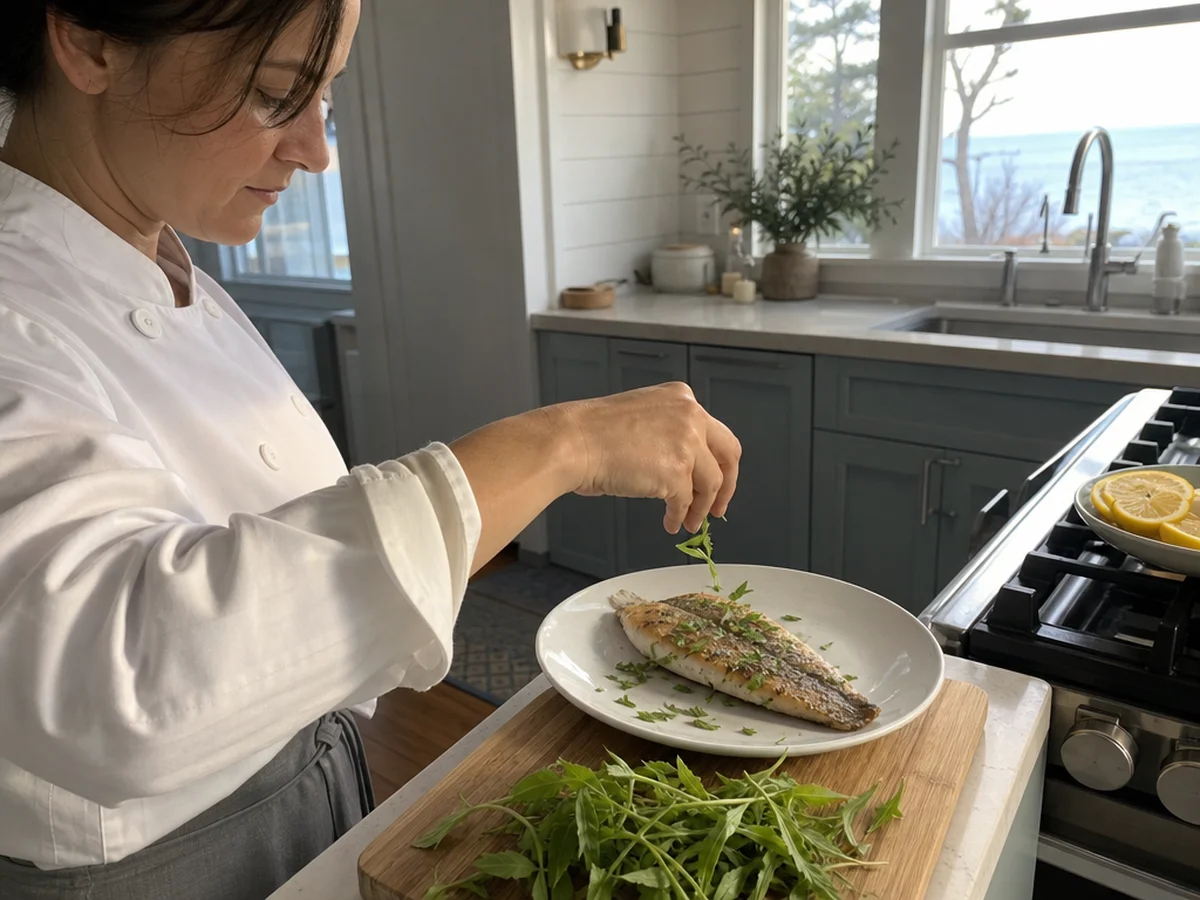
North Carolina State's plant database lists lemon verbena's leaves and flowers as used in teas, desserts, fruit salads and jams, and notes the fragrant leaves also suit potpourri. That matches how cooks have long used it: the flavour is volatile, so it goes into something that can carry it. Warm milk or cream for a custard or panna cotta, a sugar syrup for sorbet or drinks, a simple hot infusion, or a bruised leaf laid in a fruit salad all work on that principle. No source we found gives culinary quantities, so the sensible method is the cook's one: add a little leaf, taste, and add more.
A few habits help. Add the leaf late and gently, since heat drives off the aroma that you came for. Strain it out before serving, because the leaves are tough. And if a recipe is built around whole sprigs, remember that a plant on the windowsill will give you far more culinary lemon verbena than any bottle. Our growing guide covers keeping one through the winter.
Fresh, dried and frozen leaf
If you are lucky enough to have fresh leaf, you will notice how the scent lifts the moment you bruise it. A gentle crush before it goes into milk or syrup is all it needs. Dried leaf is quieter and a little hayish but keeps for months in a jar, and a handful tucked into a tin of sugar will perfume it over a few days. Cooks who have more leaf than they can use often spread it on a tray to dry in a warm, shaded spot, then store it in an airtight jar away from light.
Taste as you go. Leaf strength varies a good deal from plant to plant and from season to season, so a recipe's measure is a starting point, never a rule.
Who should check first
The EMA monograph is written for a traditional herbal tea, not for dinner parties, but it is the most careful text on the leaf and its cautions are worth carrying into the kitchen. It lists allergy to plants of the verbena family as a reason not to use the leaf, says use in children has not been established, and does not recommend it in pregnancy or breastfeeding because the data are lacking. In practice that means telling guests what is in a dish and asking a doctor or midwife if you are expecting or nursing. Our tea versus oil comparison sets the two side by side.
Where the bottle belongs
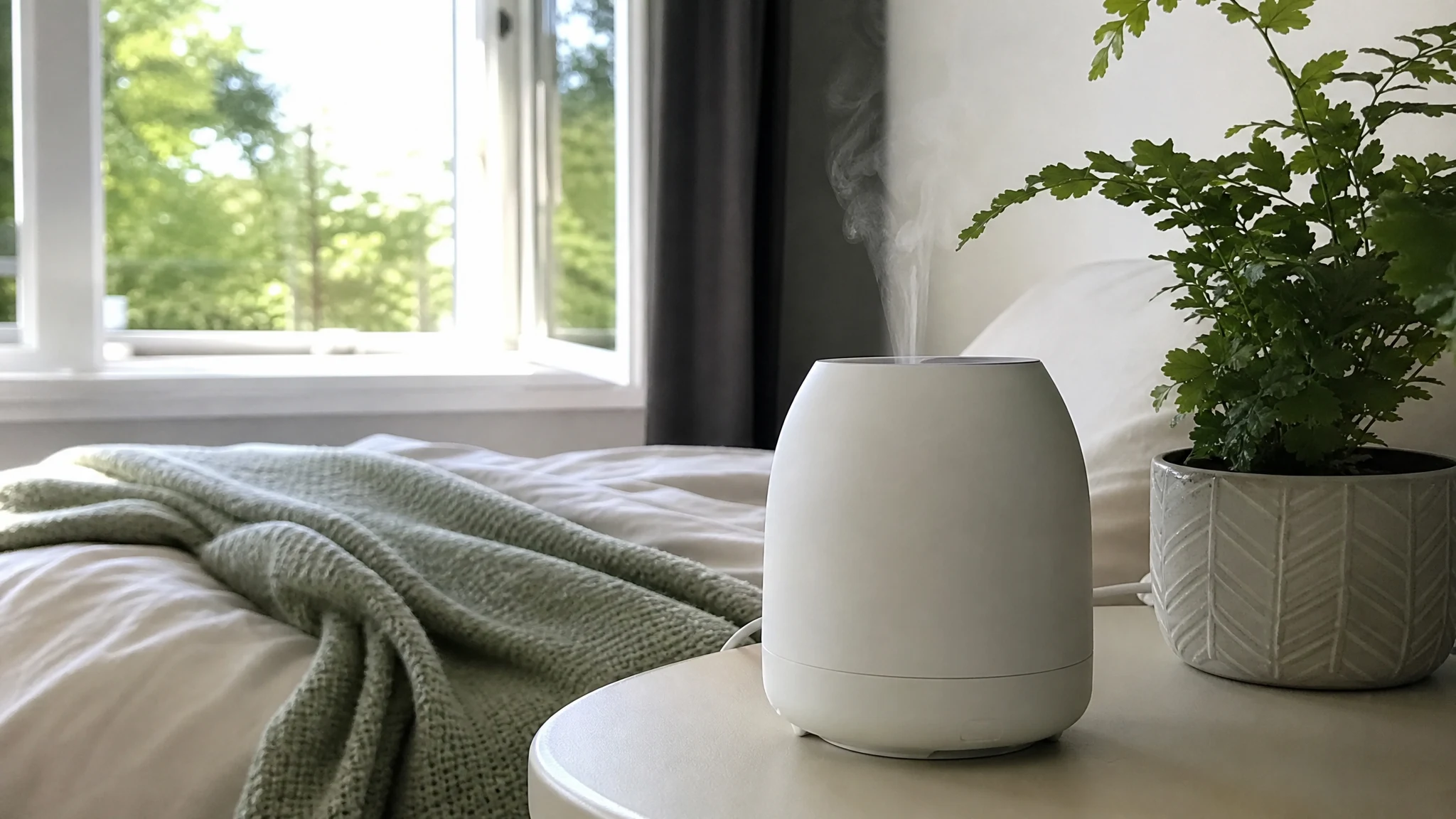
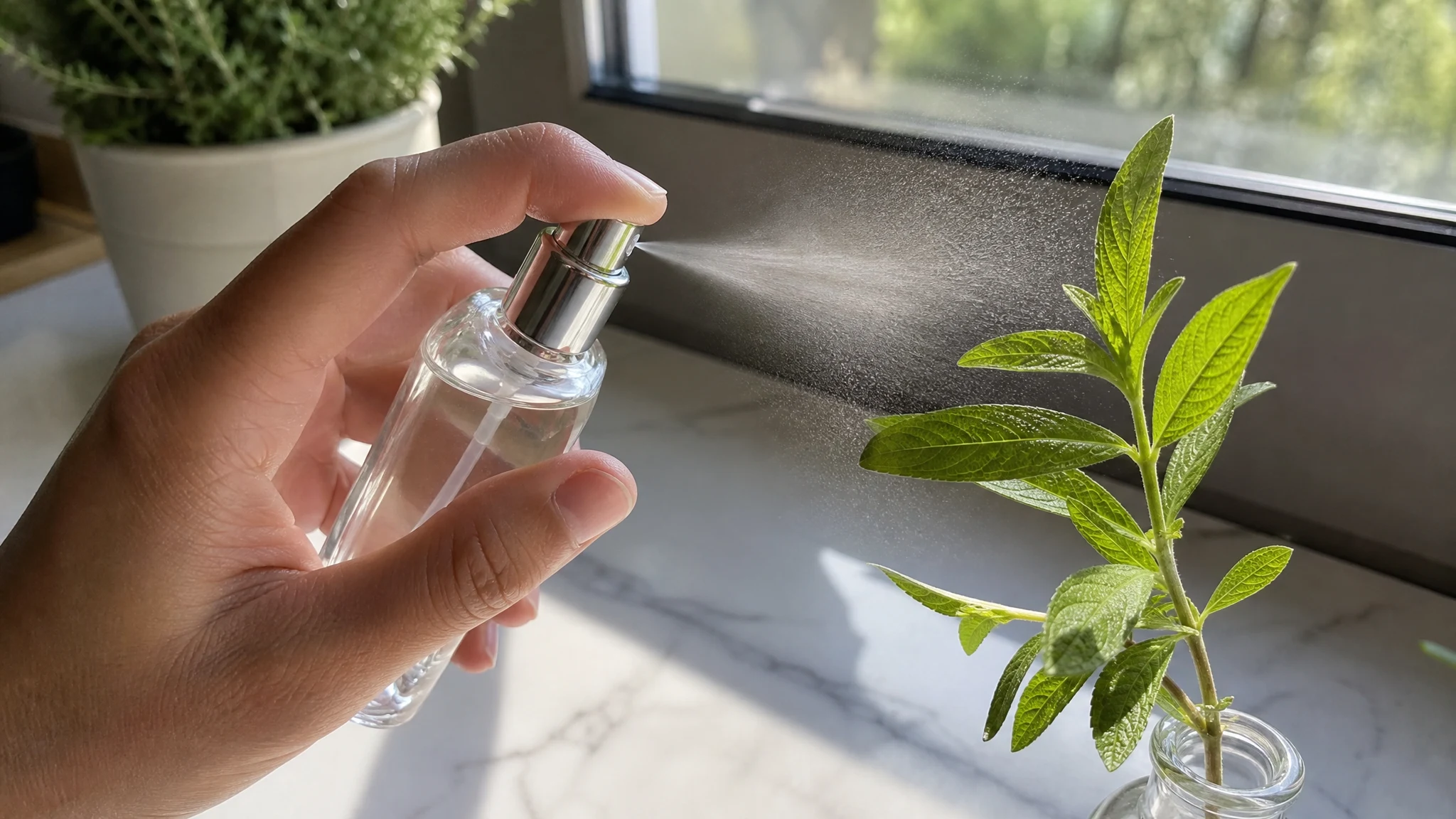
Our recommendation is to keep the oil on the craft shelf next to the candle supplies, clearly labelled and out of reach of children, so it never gets mistaken for a kitchen ingredient. A drop of it on a paper strip beside the stove can scent a room while you cook, but the oil should stay out of the pot. The leaf does the cooking, and the oil does the perfuming.
A word on leaf in oil
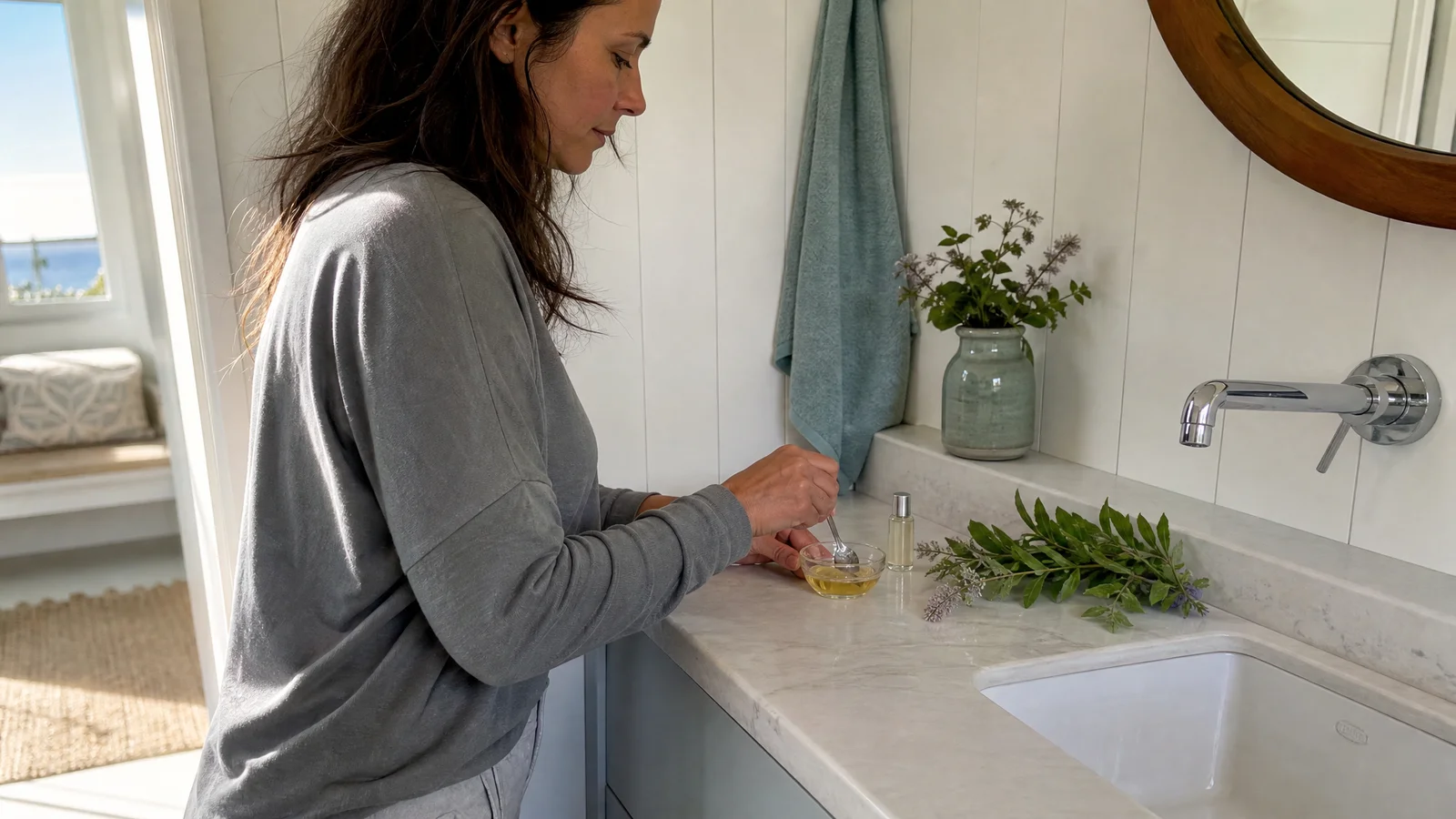
If you were thinking of steeping fresh leaves in olive oil for the pantry, food-safety scientists advise caution. A 2011 review in Food Protection Trends describes botulism outbreaks linked to home-prepared garlic, herbs and vegetables kept in oil, and reports extension guidance to refrigerate fresh herbs in oil for no more than about three weeks. For cooking, it is simpler and safer to steep the leaf in the liquid your dish already contains and use it the same day. Our infused oil article covers a skin-product route with dried leaf.
Where the oil does shine is in scent, and our uses article explores that. In the kitchen, let the leaf lead and keep the bottle on the craft shelf.
Lemon Verbena Essential Oil
Lemon Verbena Essential Oil from our own shop, in sizes from 0.5 oz to bulk.
From $12.99
Shop Now →Sources & Further Reading
- Volatile Compounds and Biological Activity of the Essential Oil of Aloysia citrodora Paláu: Comparison of Hydrodistillation and Microwave-Assisted Hydrodistillation. Molecules, 2023. PMC10254266
- Chemical Profiling, Sensory Qualities, and Bioactivities of Essential Oils Obtained from Aloysia citrodora and Bursera graveolens Ecuadorian Plants Against the Mosquito Aedes albopictus (Skuse) (Diptera: Culicidae). Insects, 2025. PMC11857052
- European Medicines Agency, HMPC, 2021. European Union herbal monograph on Aloysia citrodora Paláu (syn. Aloysia triphylla (L'Hér.) Kuntze; Verbena triphylla L'Hér.; Lippia citriodora Kunth), folium (EMA/HMPC/376770/2019). ema.europa.eu
- Aloysia citriodora (Lemon Beebrush, Lemon Verbena). North Carolina Extension Gardener Plant Toolbox. plants.ces.ncsu.edu
- Nummer B.A., Schaffner D.W., Fraser A.M., Andress E.L., 2011. Current Food Safety Issues of Home-prepared Vegetables and Herbs Stored in Oil. Food Protection Trends 31(6):336-342. foodprotection.org