Where to Find Lemon Verbena Oil: What Labels Tell You
Can you buy lemon verbena oil at the grocery store? Sometimes you can find bottles labelled with its name on a natural-foods shelf, and sometimes you will be looking at something else entirely. The better question is what a shelf, a marketplace page or a specialist's website can tell you, because in the United States no retail channel carries a built-in quality meaning.
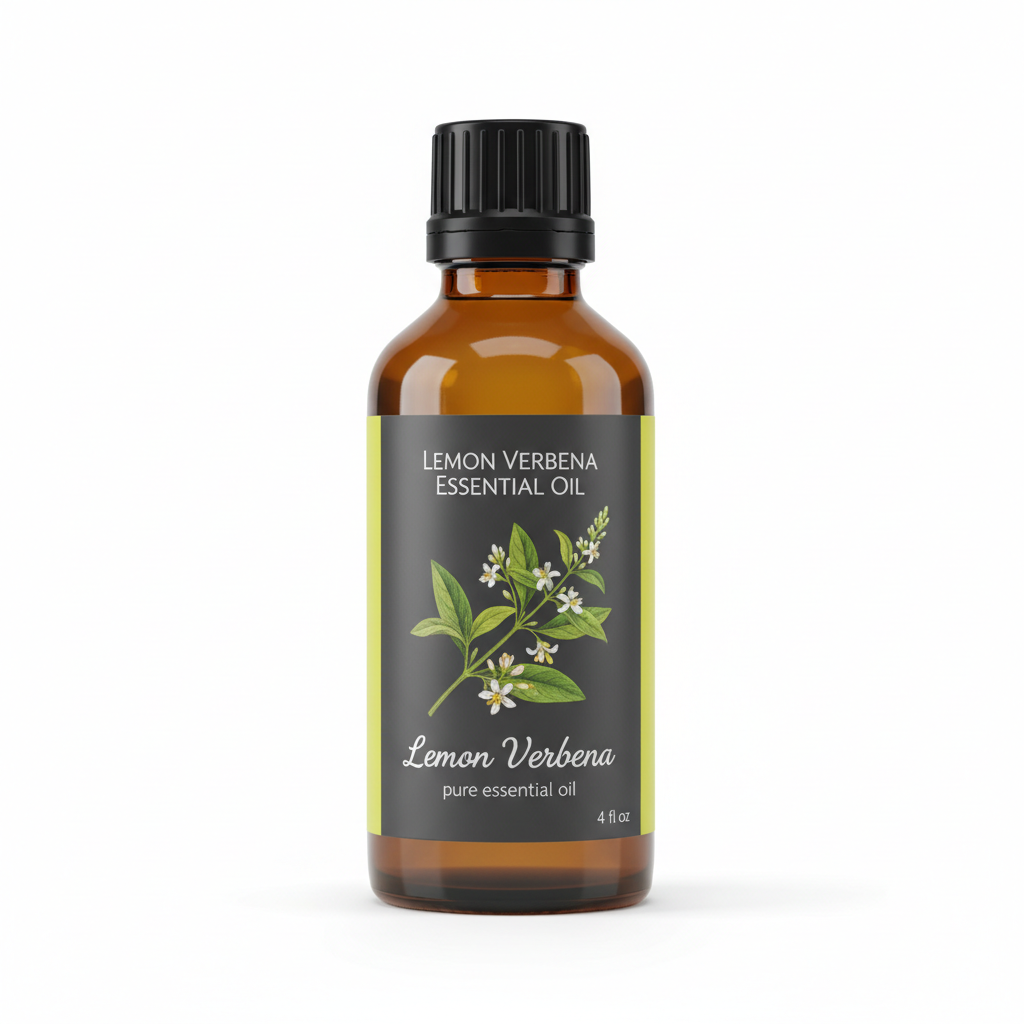
Lemon Verbena Essential Oil
Our own Lemon Verbena Essential Oil, in sizes from 0.5 oz to bulk.
From $12.99
Shop Now →Begin with the job
Three shoppers can stand at the same shelf and need different things.
The diffuser and room-scent shopper. A disappointing aroma is the worst outcome, so a small bottle with a Latin name, a batch number and a way to contact the seller is plenty. What you want to confirm is that it is a plant oil at all. A product that says only "fragrance" falls under a rule that lets fragrance and flavor ingredients be listed simply as "Fragrance" (FDA, Fragrances in Cosmetics). Our fragrance oil comparison explains why that distinction matters.
The person planning skin use. Here the paperwork matters more than the aisle. IFRA's 2020 verbena standard says verbena oils from Lippia citriodora should not be used as a fragrance ingredient, based on sensitizing and phototoxic potential (IFRA, 2020), and no shelf label changes that. Read our safety article and decide whether skin use is for you.
The maker who wants to sell. You need supplier documents you can file, which a shelf rarely offers. That is a conversation held in writing with a supplier, and a regulatory consultant, not a retailer, should answer your compliance questions.
What each kind of channel lets you check
| Channel | What you can check | What not to assume |
|---|---|---|
| Grocery or natural-food shelf | Label text, Latin name, size and any batch or best-by marking, in your hand and with no shipping wait | That the retailer has verified composition |
| Large online marketplace | The listing text, images and any uploaded certificate | That the listing, the certificate and the bottle you receive come from one batch |
| Specialist or direct supplier | Whether they answer written questions, name the plant part and method, and send a batch-matched report | That being a specialist means the oil is tested; ask what is tested and for the paper |
The right-hand column is reasoning from how each channel is organised, not a verdict on any named business. What holds across all three is the FDA's position that it has not defined "natural" for cosmetic labeling, has no regulations for "organic" in cosmetics, and that "essential oils" has no regulatory definition (FDA small-business fact sheet). The agency adds that sourcing from organic or natural origins is no guarantee of safety. A retailer's logo, in other words, does not stand in for a document.
The questions we would ask any seller
If you were choosing for yourself, a short list does most of the work. Is the Latin name on the label? Does the seller say which part of the plant and which method? Is there a batch number, and can you get a document that matches it? Will they answer an email, and how quickly? A seller who is happy to answer plainly is telling you something good. One who goes quiet at the second question is telling you something too.
Give the bottle a sniff when you can, too. Real lemon verbena oil has a lemony brightness with a softer, leafy side, a bit rounder than lemon peel. If you open it and it smells flat, sharp or like candy, take that as a reason to ask more questions.
What a label does not have to tell you
The FDA says it lacks the authority it has for food to require allergen labeling on cosmetics, and that some components of fragrance formulas may cause allergic reactions. Its suggestion for sensitive people is to read ingredient lists closely and contact the manufacturer with questions. The practical upshot is that a shelf label gives you less than you might assume, so the questions you put to a seller carry more weight than the packaging. A seller who answers about plant part, method and batch in writing has told you more than a bottle with a green leaf on it.
What you can check standing in the aisle
The Latin name. Look for Aloysia citrodora or the older Lippia citriodora. A bare "verbena" is ambiguous, as our mix-ups article shows.
Plant part and method. Ours is listed as leaf, steam-distilled, both on the shop page and on our Certificate of Analysis. A label that names neither is not proven wrong, but it gives you less to go on.
The container and the date. Dark glass with an intact seal is the baseline for a volatile plant oil, and a best-by date is useful. Keep it cool and capped once home, as the storage article explains.
Where we fit
We sell one product, lemon verbena essential oil, and you can ask us your questions in writing through the contact page. Wholesale buyers who want to evaluate it in their own product can start with a sample bottle; the wholesale page explains how. Whichever door you walk through, your best tool is a short list of questions and a willingness to put them to the seller.
Whichever shelf you choose, a little curiosity goes a long way, and the pleasure of a good bottle is worth a few minutes of checking.
Lemon Verbena Essential Oil
Lemon Verbena Essential Oil from our own shop, in sizes from 0.5 oz to bulk.
From $12.99
Shop Now →Sources & Further Reading
- U.S. Food and Drug Administration. Fragrances in Cosmetics. www.fda.gov
- U.S. Food and Drug Administration. Small Businesses & Homemade Cosmetics: Fact Sheet. www.fda.gov
- IFRA, 2020. IFRA Standard: Verbena oil and absolute (Lippia citriodora Kunth.), Amendment 49. d3t14p1xronwr0.cloudfront.net