Does Lemon Verbena Oil Stain? Getting It Out of Fabric
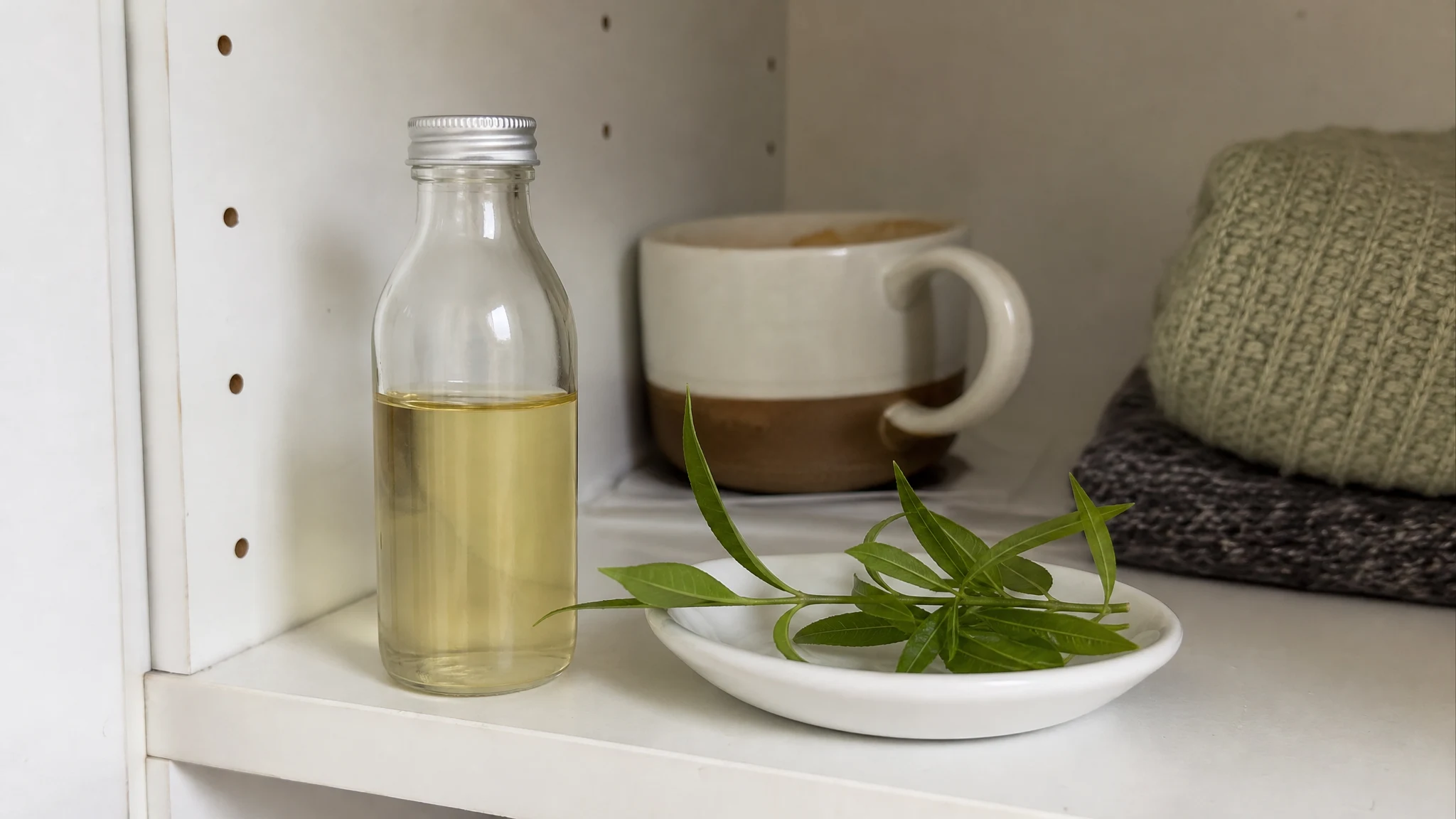
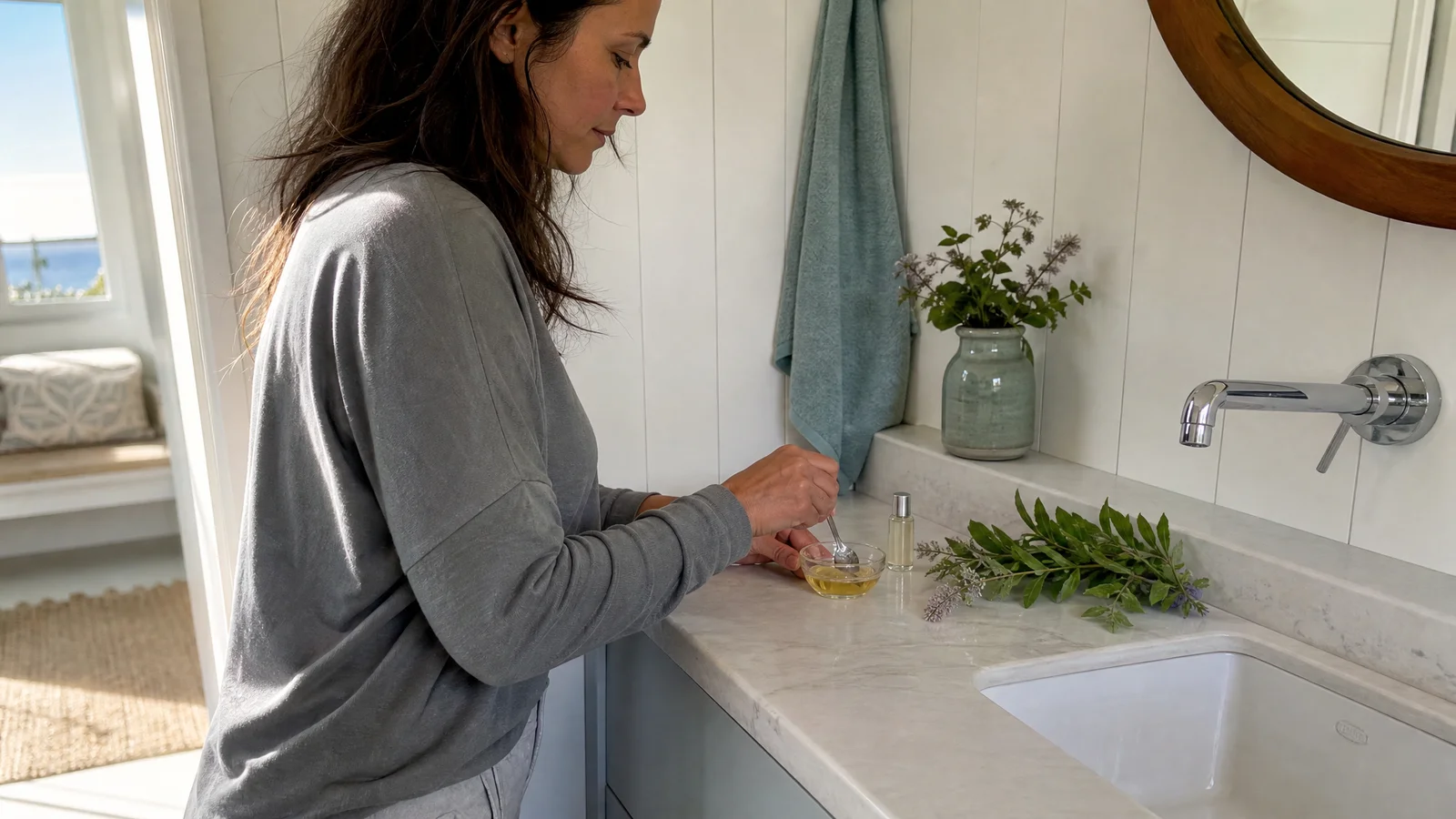
It happens in a second: a half-ounce bottle tips, a diffuser refill slops over, or a drop of body oil lands on a pillowcase. The next question is always the same, and it is a fair one: will it stain?
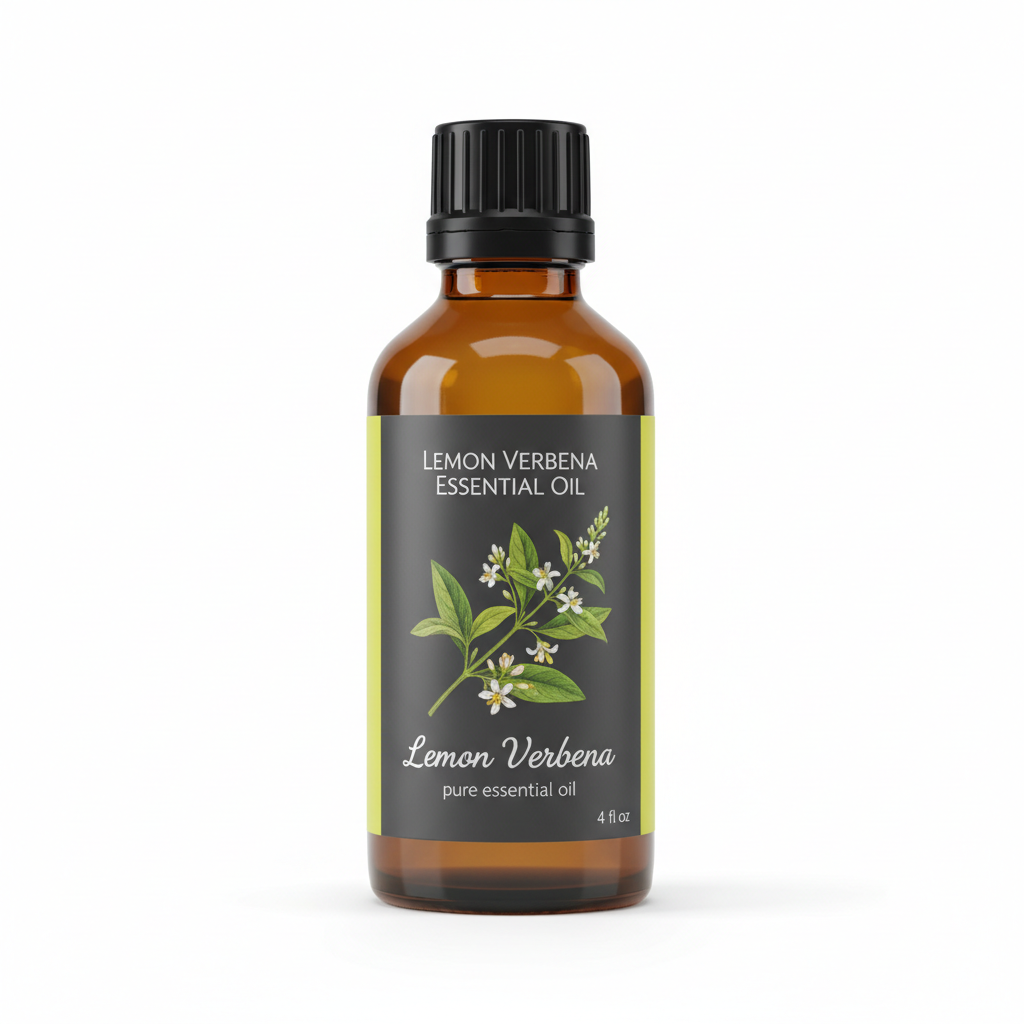
Lemon Verbena Essential Oil
Our own Lemon Verbena Essential Oil, in sizes from 0.5 oz to bulk.
From $12.99
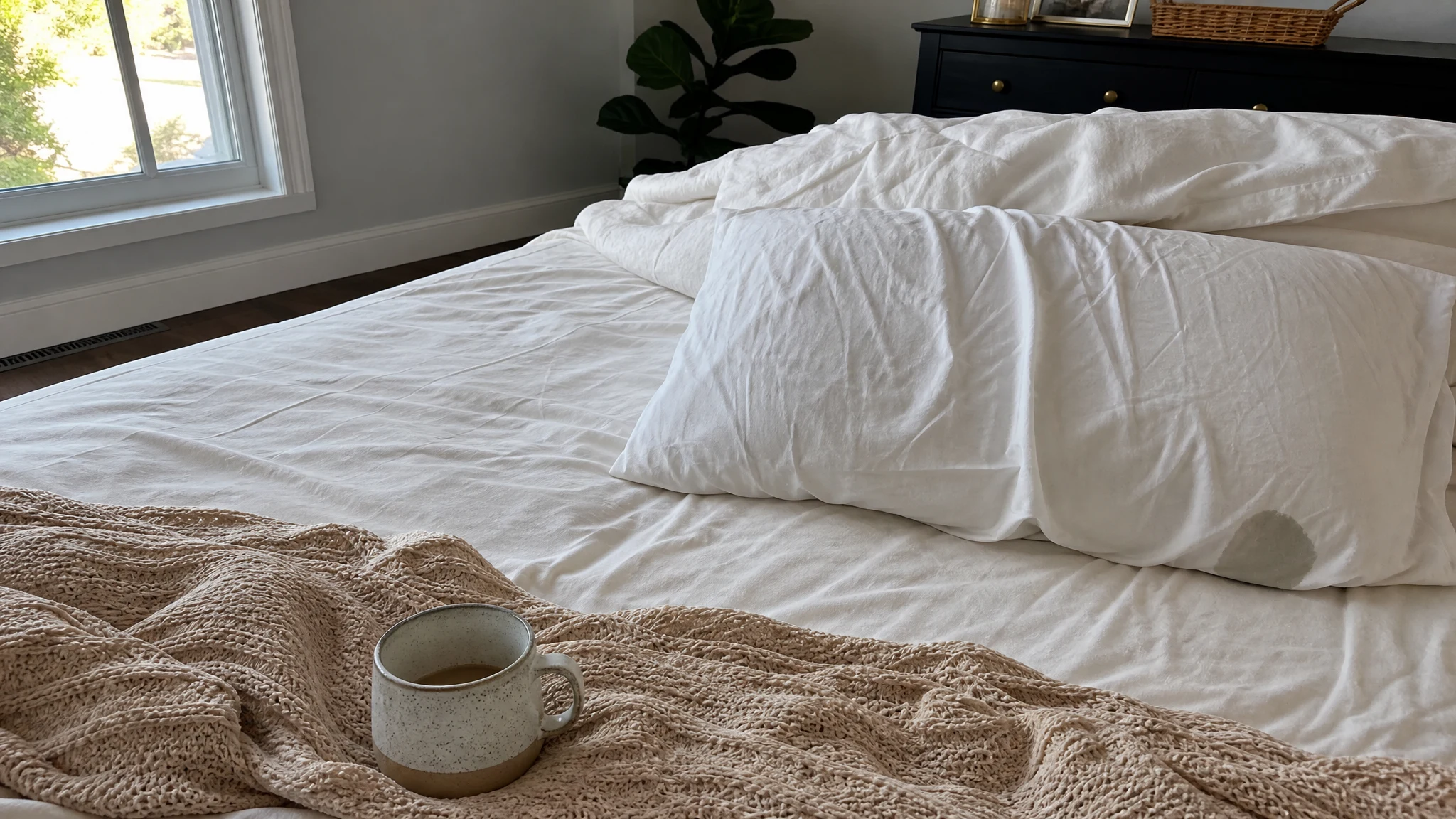
Shop Now →Our straight answer is that lemon verbena oil is an oil, so it leaves the same translucent, greasy mark that any oil leaves on fabric. We would not promise you it vanishes on its own. The batch on our published Certificate of Analysis is described as a colorless to yellow liquid, so you are unlikely to see much colour, but the dark, damp-looking patch is the part that stays until you deal with it.
Why it behaves like cooking oil
Cornell's extension guide to removing stains at home sorts stains by what they are made of, and puts fats, oils and waxes together in one group, the hydrophobic ones. Water alone does not shift them, which is why a quick dab with a wet cloth tends to spread the spot rather than remove it. The fix is something that grabs oil: detergent, or for fabrics that cannot be washed, a dry-cleaning solvent.
One part of that guide is worth remembering. It warns against using unsaturated vegetable oils as lubricants in stain work because, if they are not completely removed, they age and form yellow stains. That is about cooking-type oils, not essential oils, but it explains why a body oil or massage blend (which is mostly carrier oil) can leave a more stubborn mark on a pillowcase than a drop of neat essential oil. Reasoning from that, the aroma molecules in our oil are volatile and will evaporate over time, while a carrier oil stays put. Still, do not count on evaporation to clear the mark.
The first two minutes
- Blot, do not rub. Press a clean paper towel or cloth on the spot to lift what you can. The Natural Stone Institute gives the same advice for oil on stone: blot the spill, because wiping spreads it.
- Read the care label before you reach for anything. Cornell's guide says the same, and adds that you should pre-test any remover on an inconspicuous area first.
- Act while it is fresh. Cornell notes that old stains are harder to remove than fresh ones.
Washable cotton, linen and synthetics
For washable fabric, the guide says the same methods used on non-washable cloth can be used for local treatment before laundering. In plain terms, work a little mild liquid hand dishwashing detergent into the mark (Cornell's detergent solution is one teaspoon in a cup of warm water), leave it to loosen the oil, flush with cool or lukewarm water, and then wash as the care label allows. Look at the spot while the item is still damp, and if a trace remains, repeat the pre-treatment before you put it through the dryer.
Silk, wool, leather and anything marked dry clean only
This is where we would stop and hand it over. Cornell's guide is candid that professional dry cleaners have skills and resources that home treatment lacks, and that some stains need professional treatment. Take the item to a dry cleaner, point out the spot, and say it is an essential oil. Do not rub it in the meantime, and do not try a series of home remedies first, since each one can add a water ring or change the colour.
Counters, floors and stone
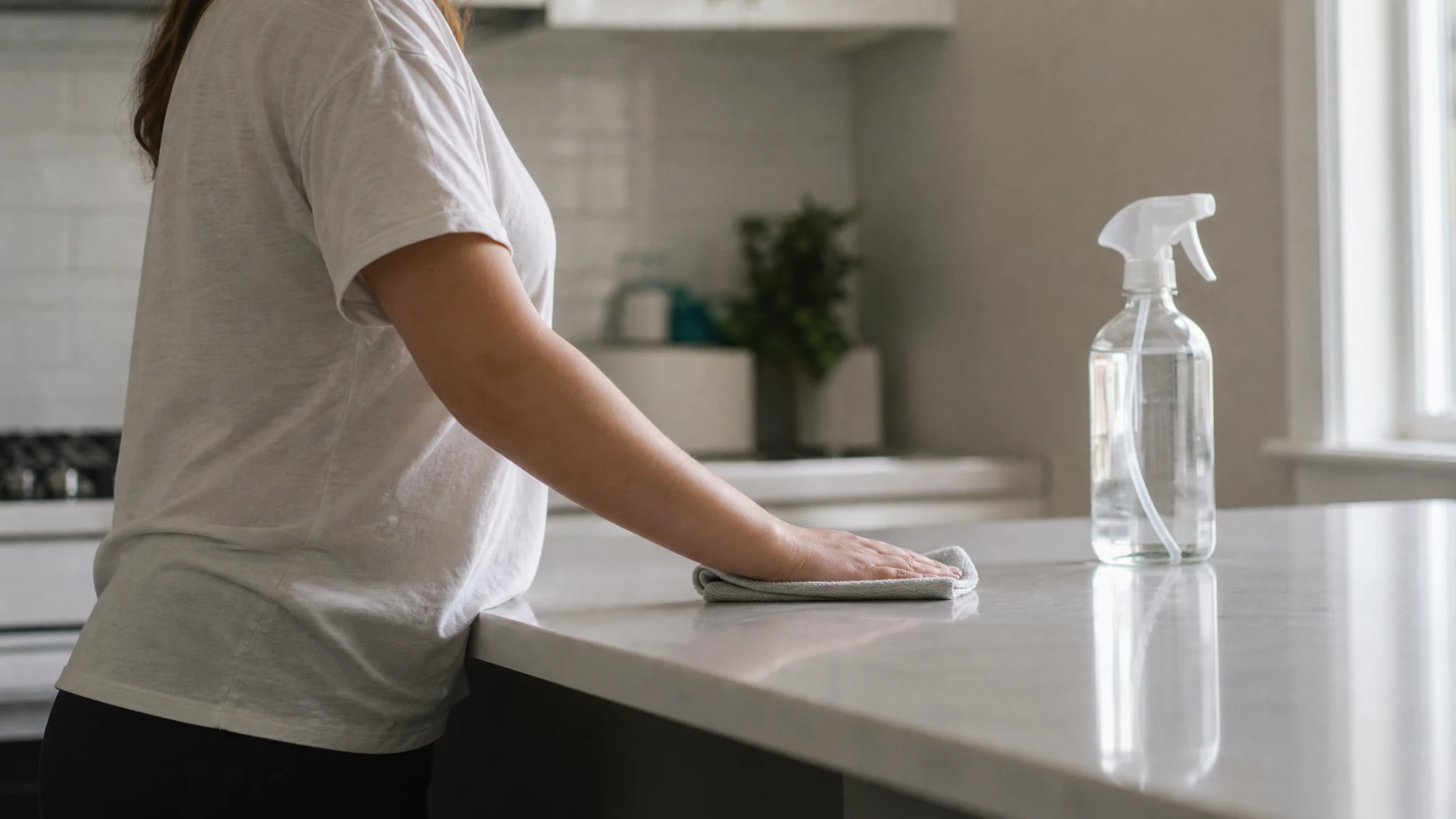
On hard surfaces the first step is the same: blot. For natural stone such as marble or granite, the Natural Stone Institute suggests a gentle clean first and, for oil-based stains that remain, a poultice (baking soda and water, spread over the stain, covered and left to dry for about 24 to 48 hours). It says difficult stains can take up to five applications. For sealed wood, painted surfaces or anything valuable, follow the maker's care guidance, and ask a restoration professional about a mark you cannot lift.
Preventing the next one
Most spills come from the moments when a bottle is open and moving: topping up a diffuser, measuring into a carrier, or decanting. Doing those over a tray or a folded towel costs nothing. Keep the cap on between drops, stand the bottle on a stable shelf, and if you are mixing something for the skin, our guides to the body oil recipe by weight and the bath oil recipe both explain how to work the oil into a carrier first.
If you have been scenting a room or a pillow, our notes on how to use lemon verbena oil and how to diffuse it cover keeping drops where they belong. And if the oil ever ends up on your skin undiluted, our safety overview is the place to start.
Oil spills are an ordinary part of loving aromatic oils, and nearly all of them come out when you catch them early. A towel within reach and a minute of patience are usually all it takes.
Lemon Verbena Essential Oil
Lemon Verbena Essential Oil from our own shop, in sizes from 0.5 oz to bulk.
From $12.99
Shop Now →Sources & Further Reading
- Price JL, Lemley AT. Removing Stains at Home. Cornell Cooperative Extension and Cornell University Department of Textiles and Apparel, 2002.
- Natural Stone Institute. Remove Stains from Stone Applications.