
DIY Lemon Verbena Bath Oil: A Softly Citrus Soak
There is something quietly indulgent about a bath oil that actually smells like the plant it came from. Lemon verbena essential oil has that quality. Its scent is clean, green, and unmistakably citrus-forward, without the sharp edge that can make some lemon oils feel medicinal. This lemon verbena bath oil recipe leans into that brightness, pairing it with carrier oils chosen for how they feel on skin rather than how impressive they sound on a label.
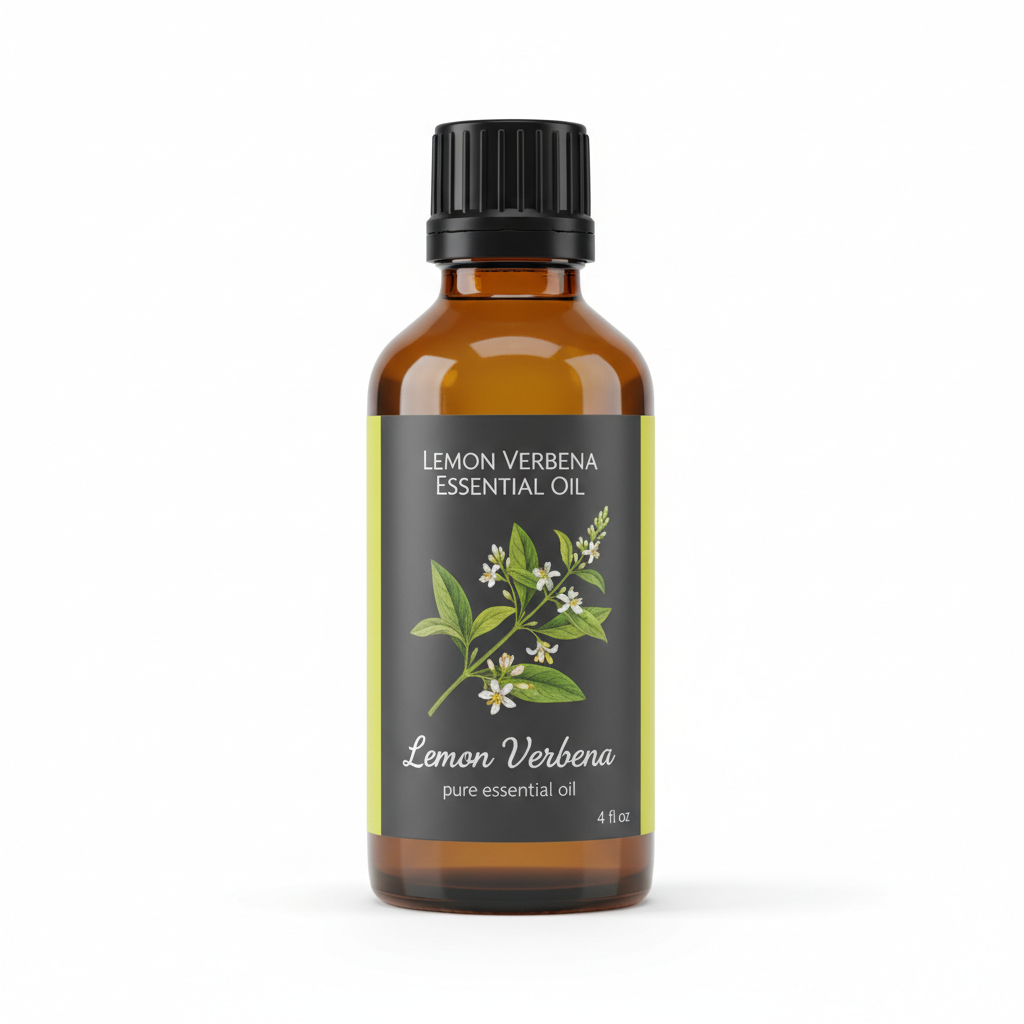
Lemon Verbena Essential Oil
Our own Lemon Verbena Essential Oil, in sizes from 0.5 oz to bulk.
From $12.99
Shop Now →This is a recipe for people who want to do it properly. That means the right dilution ratio, a brief note on who should skip it, and honest guidance on shelf life. If you are new to working with essential oils and want a broader foundation before starting, the ultimate guide to using and blending lemon verbena oil is a useful place to begin.
Before You Begin: A Quick Note on This Recipe
Difficulty level: Beginner-friendly
Active prep time: 10 minutes
Total time (including resting): 15 minutes
Yield: Approximately 100 ml (roughly 3.4 fl oz), enough for 8 to 10 baths
This is a straightforward blend. No heating, no emulsification, no specialist equipment beyond a small funnel and a clean bottle. The skill is in the sourcing: a low-quality lemon verbena essential oil will produce a flat, slightly synthetic result. Look for oils that list Aloysia citrodora (sometimes labeled Lippia citriodora) as the botanical name, ideally steam-distilled, with a country of origin noted.
Ingredients
Carrier Oils
- 70 ml sweet almond oil (the base; lightweight, skin-compatible, widely available)
- 20 ml jojoba oil (technically a liquid wax; it extends shelf life and adds a silky finish)
- 10 ml apricot kernel oil (optional but recommended; contributes a very light texture and a subtle warmth to the overall scent)
Essential Oil
- 30 drops lemon verbena essential oil (Aloysia citrodora)
This gives a final concentration of approximately 1.5%, which sits comfortably within safe dilution guidelines for bath products used on adult skin. More on that below.
Optional Additions
- 5 drops bergamot essential oil (FCF, bergapten-free; adds a rounder, slightly floral citrus note)
- 3 drops clary sage essential oil (for a soft, herbaceous depth)
- 1 capsule vitamin E oil (tocopherol) (a natural antioxidant that may slow oxidation in your carrier oils)
Equipment
- One 100 ml amber glass bottle with a tight-fitting cap or dropper top
- Small glass or stainless steel measuring jug
- A narrow funnel
- Droppers or pipettes for essential oils
- Labels and a marker
Step-by-Step Instructions
-
Clean and dry your equipment thoroughly.
Any moisture in the bottle or jug can accelerate oxidation of your carrier oils. Rinse with rubbing alcohol and leave to air-dry completely if you want to be thorough about it.
-
Measure your carrier oils.
Pour the sweet almond oil into your measuring jug first, then add the jojoba oil, then the apricot kernel oil if using. Stir gently with a clean glass rod or swirl the jug.
-
Add the vitamin E capsule (optional).
Pierce one capsule with a pin and squeeze the contents into the carrier oil blend. Stir to combine. This step is optional but worth doing if you plan to store the oil for longer than six weeks.
-
Count your essential oil drops carefully.
Using a clean dropper or pipette, count 30 drops of lemon verbena essential oil directly into the carrier oil blend. Add any optional essential oils at this stage. Work slowly. Essential oil drop sizes vary by viscosity and dropper type, so take your time rather than free-pouring.
-
Stir or swirl gently.
Essential oils disperse readily into carrier oils. A slow swirl for 20 to 30 seconds is sufficient. Avoid shaking vigorously, which introduces air bubbles.
-
Funnel into your bottle.
Pour the finished blend through your funnel into the amber glass bottle. Cap tightly.
-
Label immediately.
Write the date of preparation, the contents, and the dilution percentage. Do not rely on memory. A label takes ten seconds and will matter in three months when the bottle is at the back of a shelf.
-
Rest before use.
Leave the sealed bottle in a cool, dark spot for at least 24 hours before the first use. This allows the essential oils and carriers to marry properly. The scent will be noticeably more cohesive after resting.
How to Use Your Lemon Verbena Bath Oil
Run your bath to your preferred temperature. Just before stepping in, pour 10 to 15 ml (roughly two to three teaspoons) of the bath oil under the running water or directly into the filled bath and swirl to disperse. The oil will not fully emulsify with water, which is normal for a straight bath oil. It will form a light film on the surface.
Step in carefully. Oil on bath surfaces makes them slippery. Hold the side of the tub as you get in and out, and rinse the tub promptly after use.
Soak for 15 to 20 minutes. The lemon verbena scent carries well in warm water, and the citrus top notes tend to fill the room within the first few minutes of the bath. Many people find a citrus-forward, lightly herbaceous atmosphere well-suited to an evening wind-down routine, though the brightness also works nicely for a morning soak.
Safety Warnings and Contraindications
Please read this section before making or using this recipe.
Dilution
The recipe as written produces a 1.5% essential oil dilution in the carrier blend. This is a conservative, appropriate level for adult bath use. Do not increase the essential oil quantity to make the scent stronger. If the scent is not strong enough for your preference, explore using a higher-quality essential oil or allowing a longer resting period rather than adding more drops.
Patch Testing
Before using any new blend on a full bath, conduct a patch test. Apply a small amount of the finished bath oil to the inside of your forearm. Leave for 24 hours without washing the area. If you notice redness, itching, or any skin reaction, do not use this product. Lemon verbena essential oil can be a sensitizer for some individuals, meaning reactions may develop over repeated use even if the first use seems fine.
Phototoxicity
Lemon verbena essential oil is not considered phototoxic in the same way that cold-pressed citrus oils (such as bergamot or lime) typically are. However, if you are using FCF bergamot as an optional addition, ensure you are selecting a bergapten-free version. Avoid direct sun exposure on areas where you have applied any oil blend for at least 12 hours after bathing.
Who Should Avoid This Recipe
- Pregnant or breastfeeding individuals should consult a qualified healthcare provider before using any essential oil blends.
- Children under 12: this recipe is formulated for adults. Essential oil use on children requires different dilution protocols and specific oil selections.
- Anyone with known sensitivities to plants in the Verbenaceae family should exercise particular caution and seek professional guidance.
- If you are taking any medications or have any skin conditions, consult your healthcare provider before using this or any essential oil product.
This product is for external cosmetic use only. Keep out of reach of children. Avoid contact with eyes. If essential oil contacts the eyes, flush with a carrier oil (not water) and seek medical advice.
Storage Instructions and Shelf Life
| Factor | Guidance |
|---|---|
| Container | Amber or dark glass only. Plastic degrades with essential oil exposure. |
| Location | Cool, dark, away from humidity. Not in the bathroom if it is frequently steamy. |
| Temperature | Between 10°C and 20°C (50°F to 68°F) is ideal. |
| Shelf life without vitamin E | 6 to 8 weeks (limited by sweet almond oil oxidation) |
| Shelf life with vitamin E added | Up to 3 months |
| Signs of spoilage | Rancid or crayon-like smell, cloudiness, thickening. Discard if any of these appear. |
Making smaller batches more frequently is a better approach than making a large quantity and storing it for months. Freshly made bath oil simply performs better.
Variations and Substitutions
If You Cannot Find Lemon Verbena Essential Oil
Genuine Aloysia citrodora can be difficult to source and is sometimes expensive. A blend of lemongrass and a small amount of melissa (true melissa, not lemongrass sold as melissa) can approximate the green-citrus character, though the result will be different. For a deeper look at how lemon verbena oil compares to similar citrus-forward options, the ultimate guide to using and blending lemon verbena oil covers substitution in more detail.
Carrier Oil Substitutions
- Sweet almond oil: Replace with sunflower oil (high-oleic variety) or grapeseed oil if nut allergies are a concern. Grapeseed has a shorter shelf life, so make smaller batches.
- Jojoba oil: There is no perfect substitute for jojoba's stability, but fractionated coconut oil is the closest practical option.
- Apricot kernel oil: Simply omit and increase sweet almond to 80 ml total.
Scent Variations
- Greener, more herbaceous: Add 4 drops of basil (linalool chemotype) and reduce lemon verbena to 26 drops.
- Floral-citrus: Add 5 drops of neroli or petitgrain and reduce lemon verbena to 25 drops. Keep total essential oil drops at 30 to maintain the 1.5% dilution.
- Warmer and more complex: Add 3 drops of cardamom essential oil for a spiced, slightly exotic direction.
Turning Garden Leaves into Infused Oil
If you grow lemon verbena in your garden, you can create a carrier oil infused with dried leaves and use that as your base instead of plain sweet almond oil. The infused oil adds a gentle background herbaceous note that complements the essential oil beautifully. The full process is covered in this guide to making lemon verbena infused oil from garden leaves.
Going Further with Lemon Verbena
Bath oil is one of the most approachable ways to work with lemon verbena essential oil, but the scent profile lends itself well to other formats too. If the citrus-green character of this blend appeals to you, a DIY verbena perfume oil rollerball is a logical next project. The dilution ratios and technique differ from bath oil work, but the blending principles overlap in interesting ways.
Lemon verbena is a patient oil to learn with. It layers well, it announces itself clearly without being aggressive, and it rewards good sourcing more than almost any other citrus-family oil. A batch of this bath oil, made carefully with quality ingredients, will tell you more about the plant than a dozen articles could. Start there.