
How to Make Lemon Verbena Infused Oil From Garden Leaves
If you grow Aloysia citrodora in your garden, you already know the pleasure of brushing against a leaf and releasing that sharp, luminous citrus scent. What you may not know is that your garden is sitting on the raw material for one of the most satisfying DIY aromatic projects you can undertake: a lemon verbena infused oil, made slowly, carefully, and on your own terms.
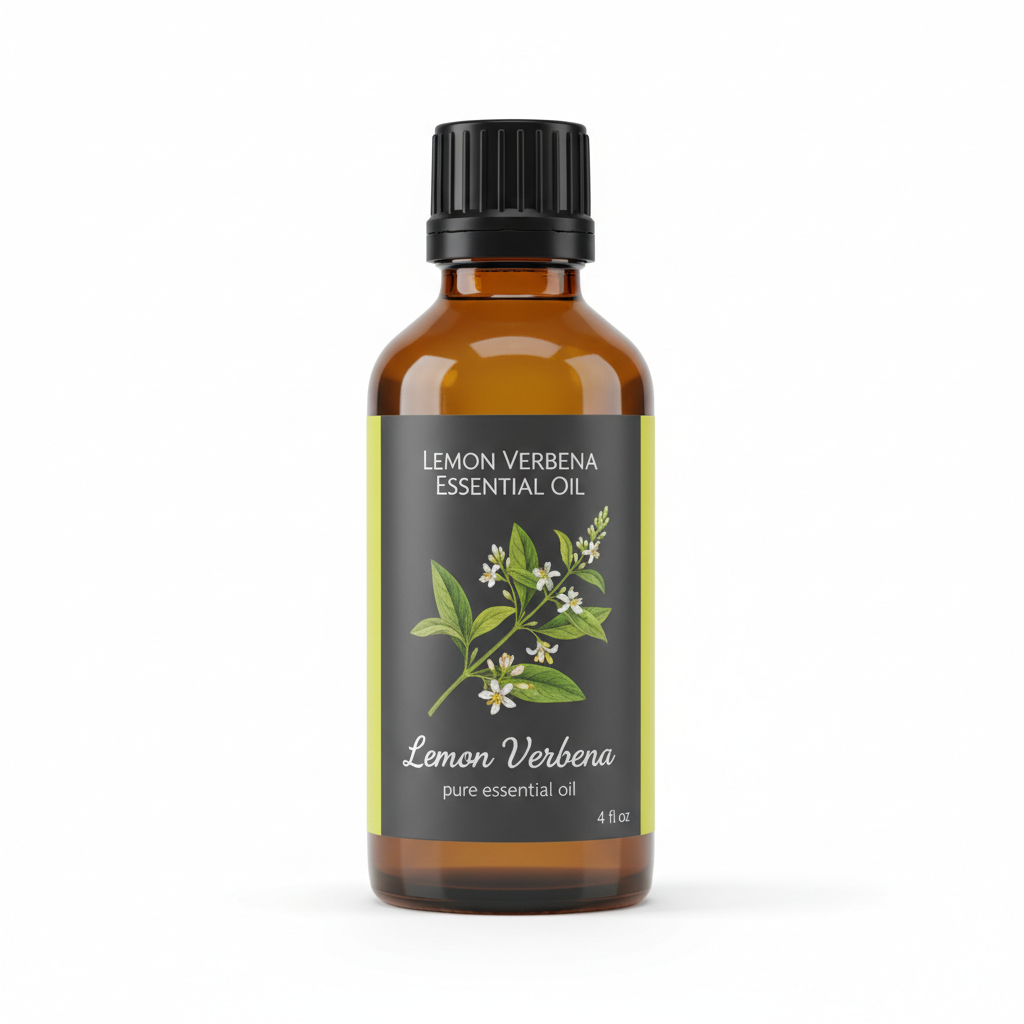
Lemon Verbena Essential Oil
Our own Lemon Verbena Essential Oil, in sizes from 0.5 oz to bulk.
From $12.99
Shop Now →This guide covers everything you need to produce a beautifully scented carrier infusion at home. We will walk through the ingredients, the method, storage guidance, and honest notes about what this product is and is not. A few important distinctions up front will save you frustration later.
Infused Oil vs. Essential Oil: An Important Distinction
Before diving into the lemon verbena oil recipe, let us be precise about terminology. A lemon verbena infused oil is made by steeping plant material in a carrier oil such as sunflower or jojoba, coaxing fat-soluble aromatic compounds and plant constituents into the base oil. The result is a subtly scented, botanically rich carrier oil.
This is not lemon verbena essential oil. True lemon verbena essential oil is produced through steam distillation or cold expression, requiring significant quantities of plant material and specialized equipment. It is highly concentrated and sold by specialist distillers. If you want to explore that world further, our ultimate guide to using and blending lemon verbena oil covers both essential and infused formats in depth.
For most home growers, an infused oil is the practical, rewarding option. The scent is gentler than a true essential oil, the process is accessible, and the finished product has genuine value in a skincare or fragrance routine.
Recipe Overview
- Difficulty: Beginner-friendly
- Active prep time: 20 minutes
- Infusion time: 4 to 6 weeks (cold method) or 4 to 8 hours (warm method)
- Yield: Approximately 200 ml finished infused oil
- Shelf life: 6 to 12 months, depending on carrier oil chosen
Ingredients
Core Ingredients
- 40 to 60 g fresh lemon verbena leaves (or 20 to 25 g dried)
- 250 ml carrier oil (see variations below for options)
Equipment
- 1 clean, dry glass jar with a tight-fitting lid (at least 350 ml capacity)
- Fine-mesh strainer or cheesecloth
- A second clean glass jar or bottle for the finished oil
- Dark glass storage bottle (amber or cobalt) for finished product
- Labels and a marker
- Optional for warm method: a slow cooker, double boiler, or yogurt maker
Choosing Your Carrier Oil
The carrier oil you select will shape the final scent, texture, and shelf life of your infusion. Here are the most practical choices:
| Carrier Oil | Scent Profile | Approximate Shelf Life | Best For |
|---|---|---|---|
| Sunflower (high-oleic) | Neutral | 12 months | General body and hair use |
| Jojoba (technically a liquid wax) | Very mild, slightly waxy | 2 or more years | Facial applications, perfume bases |
| Sweet almond | Faintly nutty | 12 months | Body massage blends, bath oils |
| Fractionated coconut | Neutral, very light | 2 or more years | Rollerball perfumes, light serums |
For a first attempt, high-oleic sunflower oil is an excellent starting point. It is inexpensive, widely available, and neutral enough to let the lemon verbena scent come forward clearly.
Step-by-Step Instructions
Method A: Cold Infusion (Recommended for Beginners)
The cold method is slower but gentler. It preserves the more delicate volatile notes in lemon verbena and requires almost no active effort beyond patience.
- Harvest and prepare your leaves. Pick leaves in the morning after any dew has dried. Choose vibrant, undamaged leaves. If using fresh leaves, this step is critical: they must be fully wilted before use. Spread the leaves in a single layer on a clean towel or wire rack and leave them at room temperature for 24 to 48 hours. This removes surface moisture that would otherwise introduce water into your oil, creating conditions favorable to spoilage. The leaves should feel papery and slightly limp before you proceed.
- Bruise the leaves lightly. Gently crush or tear the wilted leaves to open the surface and encourage better extraction. Do not pulverize them; you want to keep the plant material in manageable pieces for straining later.
- Fill your jar. Pack the bruised leaves loosely into your clean, bone-dry glass jar. Fill to about two-thirds capacity.
- Pour over the carrier oil. Cover the leaves completely with your chosen carrier oil, pressing them down gently with a clean spoon. Leave approximately 1 cm of headspace at the top. Seal the jar tightly.
- Label and place. Label your jar with the date and contents. Place it in a warm spot with indirect light, such as a sunny windowsill that does not receive direct harsh afternoon sun. A consistent temperature between 20 and 30 degrees Celsius is ideal.
- Shake daily. Give the jar a gentle shake or turn once per day. Check for any signs of moisture, cloudiness, or off-smells during the first week. A small amount of settling is normal.
- Infuse for 4 to 6 weeks. The longer you leave it within this window, the more developed the scent will be. Taste the infusion schedule based on your patience and your nose.
- Strain and bottle. Line your strainer with cheesecloth and pour the infused oil through it into your second clean jar. Squeeze the spent leaves gently to extract any remaining oil. Discard the plant material. Transfer the finished oil into a dark glass bottle, seal, and label with the date.
Method B: Warm Infusion (Faster Results)
The warm method accelerates extraction significantly. Use it when you need your infused oil sooner, or when working with dried leaves.
- Follow Steps 1 through 4 above, using either wilted fresh or dried lemon verbena leaves.
- Place the sealed jar (or an oven-safe bowl covered with foil) in a slow cooker set to its lowest warm setting. Add enough water to the slow cooker to reach halfway up the jar.
- Maintain a temperature between 40 and 60 degrees Celsius. Use a kitchen thermometer to check. Avoid exceeding 65 degrees Celsius, as excessive heat will degrade the aromatic compounds you are trying to capture.
- Infuse for 4 to 8 hours, checking periodically.
- Allow the oil to cool to room temperature before straining and bottling as described above.
Alternatively, a yogurt maker or a dehydrator with a tray setting can hold a steady low temperature and works very well for this purpose.
Safety Warnings and Contraindications
A home-crafted lemon verbena infused oil is a cosmetic product. It deserves the same respectful handling as any botanical preparation you apply to skin.
Patch Testing
Always perform a patch test before applying any new infused oil to a larger area of skin. Apply a small amount to the inner forearm and leave it undisturbed for 24 hours. If you notice any redness, itching, or unusual skin response, discontinue use and consult a qualified healthcare provider.
Dilution Guidance
A lemon verbena infused oil is already a diluted product by nature, since the botanical compounds are dispersed throughout the carrier oil rather than concentrated as they are in a true essential oil. However, if you choose to add any true lemon verbena essential oil to this infusion for a stronger scent, follow standard dilution guidelines:
- For general body application: no more than 2% essential oil by volume (approximately 12 drops per 30 ml of carrier)
- For facial application: 1% or below (approximately 6 drops per 30 ml)
- For children under 10, elderly individuals, or those who are pregnant: consult a qualified healthcare provider or a certified aromatherapist before use
Photosensitivity Note
Lemon verbena contains compounds that may increase skin sensitivity to sunlight. Avoid applying this infused oil to skin that will be exposed to direct sun shortly afterward. Use in evening routines or rinse-off applications where sun exposure is not a concern.
Nut Allergy Notice
If you select sweet almond oil as your carrier, this product is not suitable for anyone with a tree nut sensitivity. Choose jojoba, sunflower, or fractionated coconut oil as alternatives.
Spoilage Recognition
If your infused oil develops a sour or rancid smell, becomes cloudy with sediment that does not clear when warmed, or shows any visible growth, discard it immediately. Proper wilting of fresh leaves before infusion is the most important preventive step.
Storage Instructions and Shelf Life
Store your finished infused oil in a dark glass bottle (amber or cobalt) in a cool, dark location away from direct light and heat. A cupboard or drawer works well.
- Sunflower or sweet almond base: 6 to 12 months
- Jojoba or fractionated coconut base: 18 months to 2 years
Adding a small amount of vitamin E oil (approximately 0.5% by volume, or 1 to 2 capsules per 200 ml) at the bottling stage can help extend shelf life by slowing oxidation. It will not prevent spoilage indefinitely, but it does make a meaningful difference.
Write the date of bottling clearly on your label and check the oil with your nose every few months. A fresh infusion smells clean and green-citrus. Rancidity has an unmistakable flat or soapy quality that is easy to recognize once you know it.
Variations and Substitutions
Using Dried Lemon Verbena
If your garden is not in season or you are working with purchased dried herb, dried lemon verbena works well. Use a smaller quantity (roughly half the weight of fresh) since the moisture has already been removed. The warm method tends to work better with dried material, as the heat helps open the drier plant tissues.
Adding Complementary Botanicals
Lemon verbena layers beautifully with other aromatic herbs. Consider co-infusing with:
- Fresh calendula petals (fully wilted first) for a richer, golden-toned base oil
- A small sprig of rosemary for a greener, more herbaceous direction
- Dried lavender buds for a softer, more floral character
Keep additional botanicals to no more than 20 to 30 percent of the total plant material by weight, so the lemon verbena character remains the focal point.
Building Toward a Perfume Oil
Once you have a finished lemon verbena infused oil, it becomes an excellent base for a simple fragrance project. Jojoba in particular, with its extraordinary stability and skin-like feel, makes a natural fit for a rollerball perfume. If that direction interests you, our guide on DIY verbena perfume oil in a rollerball format picks up exactly where this recipe leaves off.
Using Infused Oil in the Kitchen
Worth noting: a food-grade version of this infusion, made with a culinary oil such as light olive oil and food-safe dried lemon verbena, has a long tradition in herb-forward cooking. Chefs use lemon verbena leaf in inventive ways that may surprise you. The cooking inspiration guide on chef applications covers that territory in detail. Be clear in your labeling whether a given batch is intended for cosmetic or culinary use. Never use a cosmetic-grade oil in food preparation.
Getting the Most From Your Garden Harvest
Lemon verbena is a generous plant. A mature shrub can yield substantial harvests through the growing season, and the best picking windows are mid-morning after dew has cleared. The aromatic peak of the leaf tends to be just before the plant flowers, when the volatile compounds are most concentrated in the foliage.
If you find yourself with more leaves than one batch of infused oil requires, lemon verbena dries exceptionally well. Hang small bundles upside down in a warm, ventilated space for 10 to 14 days, then strip the dried leaves and store them in a sealed glass jar away from light. A well-dried batch will hold its scent for 12 to 18 months and gives you infusion material through the winter months when the plant is dormant.
Making lemon verbena infused oil from your own garden is one of those projects that rewards attention to small details: the dryness of your leaves before they go into the jar, the temperature of your infusion environment, the quality of the carrier oil you select. None of these steps are difficult. They simply ask you to slow down and pay attention, which, given the source material involved, turns out to be its own kind of pleasure.