
Your First Bottle of Lemon Verbena: Why 10ml Is the Smart Start
So you've caught the scent somewhere. Maybe it was a fragrance counter, a friend's diffuser, or a botanical candle that stopped you mid-step. That bright, almost impossibly fresh citrus-green note is lemon verbena, and now you want the real thing in a bottle.
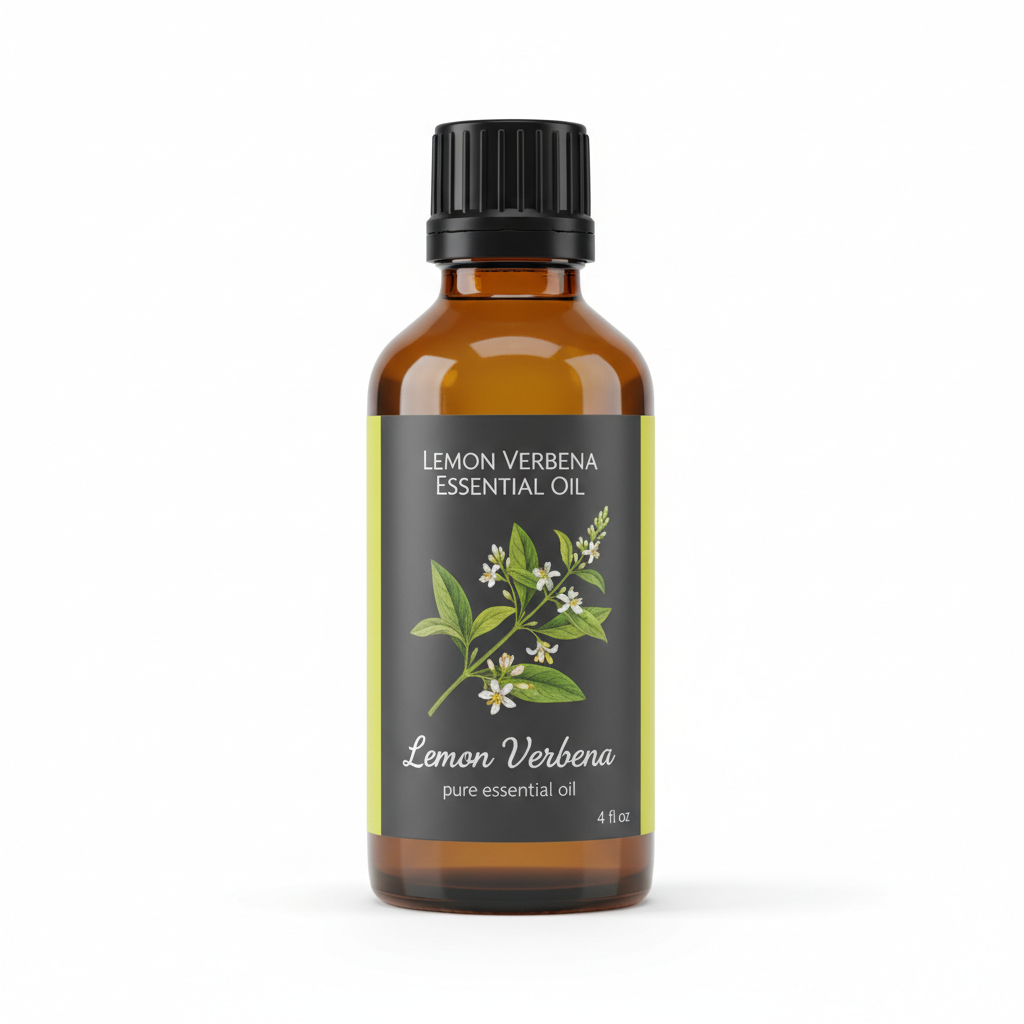
Lemon Verbena Essential Oil
Our own Lemon Verbena Essential Oil, in sizes from 0.5 oz to bulk.
From $12.99
Shop Now →Here's the first decision: size. Lemon verbena essential oil is one of the most expensive botanicals you'll encounter in the aromatics world, and it's priced that way for good reason. Before you commit to a larger volume, a lemon verbena essential oil 10ml bottle gives you enough to genuinely assess a supplier's quality, explore how the oil performs in your routines, and decide whether you want to invest at a higher level. This guide walks you through every step of making that first purchase a confident one.
Why 10ml Is the Right Size for a First Verbena Order
Lemon verbena oil sizes typically run from 2ml samples up to 100ml professional volumes. The jump from a sample to a full 30ml or 50ml bottle might seem like good value per milliliter, but it carries real risk when you're ordering from a new supplier.
Consider what 10ml actually gives you. At a standard 2% dilution in a carrier oil, 10ml of essential oil yields roughly 500ml of finished product. That's a meaningful amount of body oil, room spray, or botanical perfume. You'll have enough to run several test blends, evaluate how the top notes hold at different dilution rates, and observe whether the dry-down matches what quality lemon verbena should deliver.
You'll also have enough to notice adulteration. Cheap synthetic lemon or citronellal-heavy filler oils reveal themselves quickly once you're working with a larger portion across multiple applications. A 2ml sample is almost too small to catch the full picture. A 10ml bottle is the sweet spot.
There's a financial logic here too. Given why lemon verbena oil commands such a high price per milliliter, the 10ml entry point limits your exposure while still giving you a real working quantity. If a supplier's oil disappoints, you've spent wisely rather than purchasing a large bottle of something you'll never use.
Quality Indicators: What to Look for Before You Buy
Lemon verbena is one of the most frequently adulterated essential oils on the market. Knowing what genuine quality looks like is not optional. It's the whole game.
Botanical Name and Origin
The correct botanical name is Lippia citriodora (also listed as Aloysia citriodora or Aloysia triphylla on older labels). If a product simply says "lemon verbena" without a Latin name, that's a problem. Without the Latin name, you have no way to confirm what plant was actually distilled.
Origin matters significantly. Argentina and Morocco are the primary producing countries for quality steam-distilled lemon verbena. Provence, France produces smaller quantities of exceptional oil, often at higher price points. Origin should be clearly stated on both the label and the supplier's product page.
GC-MS Testing and Transparency
A gas chromatography-mass spectrometry (GC-MS) report breaks down an oil's constituent compounds. For lemon verbena, you want to see citral (geranial and neral) as dominant constituents, alongside limonene, geraniol, and 1,8-cineole in characteristic ratios. Reading a lemon verbena label and GC-MS report before purchasing is one of the most useful skills you can develop as a buyer.
Reputable suppliers publish batch-specific GC-MS reports. If a supplier cannot provide one, or if they offer a single generic report for all batches, proceed with caution. Each harvest and distillation run produces a slightly different chemical profile. Batch-specific documentation is the mark of a serious operation.
Packaging
Genuine essential oil should arrive in dark glass (amber or cobalt blue). UV exposure degrades volatile compounds. A 10ml bottle that arrives in clear glass or plastic is a red flag regardless of what the label claims.
The cap should form a tight seal, and the bottle should include an orifice reducer (the small insert that slows the flow to drops rather than a pour). This is standard for professional essential oil packaging, and its absence suggests the product is more decorative than serious.
Scent Profile
Authentic lemon verbena oil has a complex scent that unfolds in stages. The top note is intensely bright and citrus-forward, but with a green, almost herbaceous quality that distinguishes it clearly from lemon or lemongrass. As it dries down, floral facets emerge, and some balsamic softness appears in the base. It smells like a garden, not a cleaning product.
If a product smells flat, sharp without nuance, or indistinguishable from synthetic lemon fragrance oil, it is likely adulterated or of poor quality. Fragrance oils are not essential oils. Lemon verbena is sometimes "stretched" with litsea cubeba, lemongrass, or citral isolates. These additions change the scent profile in ways that are noticeable once you know what you're comparing.
Key Features to Compare Across Suppliers
| Feature | What to Look For | Red Flag |
|---|---|---|
| Botanical name | Lippia citriodora or Aloysia citriodora | "Lemon verbena" with no Latin name |
| Country of origin | Argentina, Morocco, or France listed clearly | No origin listed |
| GC-MS report | Batch-specific, accessible before purchase | Generic report, unavailable, or request-only |
| Packaging | Dark glass, tight seal, orifice reducer | Clear glass, plastic, missing reducer |
| Price per ml | Appropriately high (see price section below) | Suspiciously low |
| Extraction method | Steam distillation stated | Unspecified method |
| Supplier transparency | Direct sourcing information, named farms or regions | Vague language, no sourcing details |
Price Points: What You Should Expect to Pay
Price is one of your most reliable quality signals with lemon verbena. This is one of the lower-yielding botanical distillations. The plant material required to produce a single milliliter of oil is substantial, which is reflected honestly in pricing from legitimate suppliers.
A reasonable price range for a lemon verbena essential oil 10ml bottle from a quality supplier falls between $18 and $45 USD, depending on origin, organic certification, and the supplier's sourcing model. Argentinian oil tends to sit at the lower end of that range. French-origin oil, particularly from small-batch or certified organic operations, often sits at the higher end or above it.
If you find a 10ml bottle of "lemon verbena essential oil" for $5 to $8, it is almost certainly not what the label claims. At that price point, genuine lemon verbena is not economically possible. You are likely purchasing a synthetic fragrance oil or a heavily adulterated product.
Budget Range ($18 to $25)
Argentinian-origin oil from established aromatics suppliers. Look for suppliers who carry a broad range of botanicals with consistent documentation practices. The scent profile at this tier can be excellent. The trade-off is sometimes less detailed sourcing storytelling and fewer organic certification options.
Mid Range ($25 to $35)
Moroccan or Argentine oil with organic certification, or suppliers who invest in deeper supply chain transparency. This is the tier where you'll often find the best combination of quality and value for a first verbena order. Many specialty botanical suppliers operate here.
Premium ($35 to $45 and above)
Small-batch or French-origin oil, sometimes with biodynamic or single-farm provenance. The scent complexity at this level is often noticeably richer. Appropriate for perfumers, blenders who want a signature ingredient, or buyers who simply want the best available expression of the plant.
Red Flags to Avoid
Some of these have already appeared above, but a consolidated list is useful when you're moving quickly through a purchase decision.
- No botanical Latin name on the label or product page
- Price below $15 for a 10ml bottle
- No GC-MS report available, or a single undated report for all inventory
- The word "fragrance" anywhere in the ingredient list (this indicates a fragrance oil, not an essential oil)
- Clear or plastic packaging
- No country of origin listed
- Supplier sells hundreds of oils at uniformly low prices with no sourcing information
- Scent description that emphasizes "just like fresh lemons" without noting the herbaceous, green quality
- No return or sample policy from a supplier asking you to buy a full bottle on the first order
Where to Buy
Your options generally fall into three categories, each with distinct trade-offs.
Specialty Aromatics Retailers
Dedicated essential oil companies with direct sourcing relationships are your strongest option. Names you may encounter include Tisserand, Florihana, and Eden Botanicals, among others. These suppliers publish GC-MS data, describe their sourcing, and stand behind their products. Their websites are also educational resources, which is worth something when you're learning to evaluate lemon verbena oil sizes and quality markers.
Natural Food and Wellness Retailers
Stores carrying aromatics from brands like Rocky Mountain Oils or Plant Therapy offer reasonable accessibility, with more accountability than general marketplaces. Quality is generally reliable at this tier. The trade-off is less sourcing depth and fewer premium-tier options compared to specialty aromatics retailers.
Online Marketplaces
This is the highest-risk channel. Marketplaces like Amazon carry both legitimate products and adulterated ones, often listed side by side at very different prices. If you buy through a marketplace, purchase directly from a verified brand store rather than a third-party reseller, and still check for GC-MS documentation before completing the order.
For a more thorough breakdown of how to evaluate any supplier before committing to a first verbena order, the complete quality guide to buying lemon verbena essential oil covers supplier vetting in much greater detail.
Making the Most of Your First 10ml Bottle
Once your bottle arrives, resist the urge to immediately pour it into a blend. Spend a few minutes with it as a standalone scent first. Open the bottle and hold it at arm's length, then gradually bring it closer over several seconds. Notice where the scent changes. That first bright burst is the top note volatilizing. The softer, more complex impression that follows is the character that will define your blending experience with this oil.
Keep a simple notebook. Record the supplier, the batch number (usually printed on the bottle or paperwork), the date received, and your first scent impressions. When you eventually order from a second supplier for comparison, those notes become genuinely useful. Lemon verbena varies meaningfully by origin and harvest year, and your own written record will serve you better than any online review.
Store the bottle upright, away from heat and light, with the cap firmly closed. A dark drawer or a small essential oil storage box works well. Properly stored, a 10ml bottle of quality lemon verbena oil will maintain its character for 12 to 18 months, giving you ample time to explore it fully before considering a larger purchase.
Your first 10ml bottle is a beginning, not a commitment. Buy thoughtfully, document what you find, and let the oil earn the larger order that may well follow.