
Where to Buy Lemon Verbena Essential Oil Online: A Checklist
Lemon verbena essential oil is one of the more elusive oils on the market. The plant yields very little oil per kilogram of leaf material, which keeps prices high and tempts some suppliers to cut corners. If you're searching for where to buy lemon verbena oil online, the sheer number of listings can be overwhelming. This guide gives you a clear, practical checklist so you can compare products with confidence and avoid the most common pitfalls.
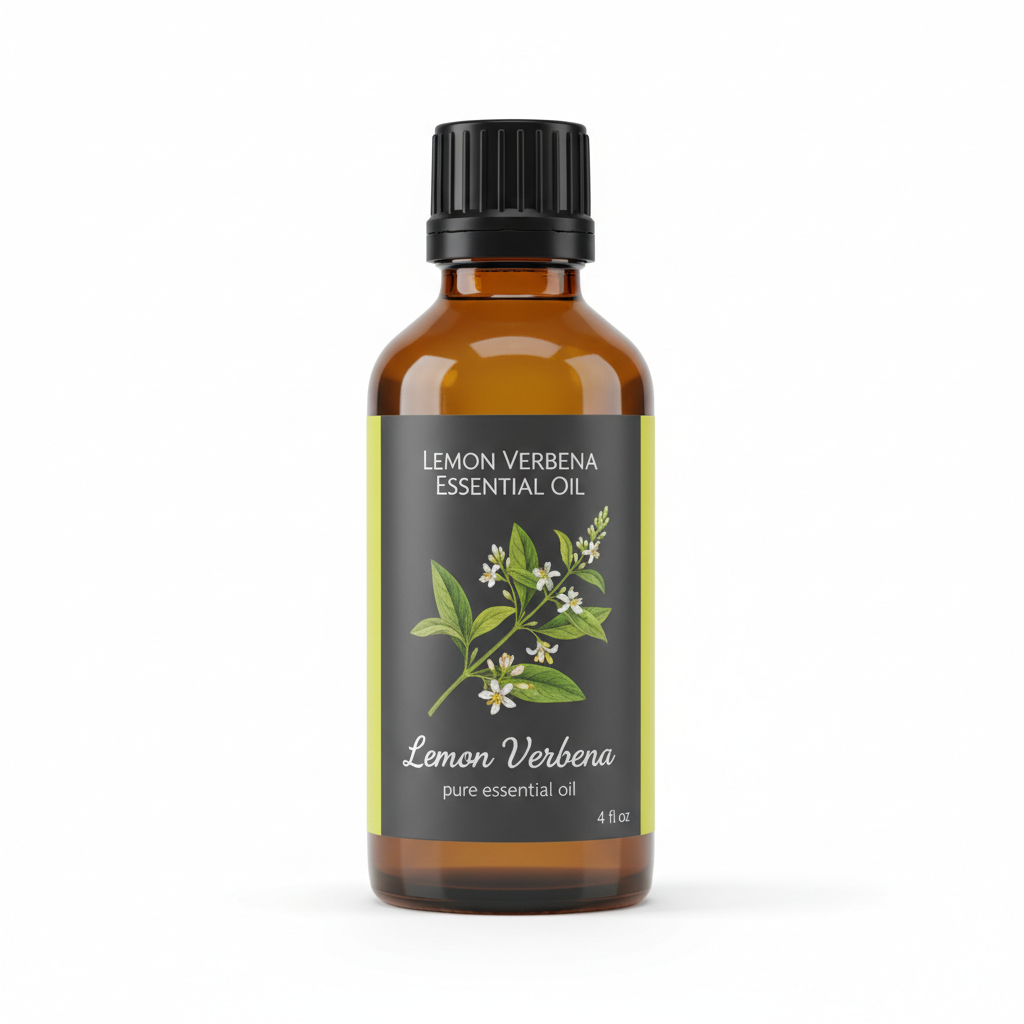
Lemon Verbena Essential Oil
Our own Lemon Verbena Essential Oil, in sizes from 0.5 oz to bulk.
From $12.99
Shop Now →Why Lemon Verbena Oil Is Harder to Source Than Most Citrus Oils
Most citrus oils are cold-pressed from abundant fruit rinds. Lemon verbena (Aloysia citrodora) is different. It is steam-distilled from the leaves of a flowering shrub, and the yield is famously low, typically somewhere between 0.2% and 0.5% by weight. A kilogram of finished oil can require several hundred kilograms of fresh plant material. That alone explains why a legitimate 10 ml bottle often costs more than most people expect.
The practical consequence: the lemon verbena oil online market includes a meaningful proportion of adulterated or mislabeled products. Some are blended with lemongrass oil, lemon eucalyptus, or synthetic citral. Others are sold as "lemon verbena fragrance oil" but marketed as if they were pure essential oils. Knowing what to look for protects both your budget and your experience.
For a deeper look at the botanical and quality background, our guide on buying lemon verbena essential oil: the complete quality reference covers the full picture.
The Quality Checklist: What to Look For Before You Buy
1. Correct Latin Name on the Label
The label must read Aloysia citrodora (sometimes still listed under the older synonym Lippia citriodora). If a product simply says "lemon verbena" without any Latin name, treat that as a yellow flag. Sellers who source genuine oil know the botanical name and are proud to display it.
2. Country of Origin
The main producing regions for quality lemon verbena oil are Morocco, Argentina, France, and Spain. Moroccan and Argentine oils are most widely available commercially. French-origin oil tends to command a premium and is rarer. If no origin country is listed anywhere on the product page or label, ask the seller directly. A credible supplier will answer without hesitation.
3. GC/MS Testing (Gas Chromatography/Mass Spectrometry)
This is the single most important document you can request. A GC/MS report shows the chemical fingerprint of the oil and confirms that the citral content (a combination of geranial and neral) falls within the expected range for genuine Aloysia citrodora. It can also reveal the presence of adulterants. Reputable sellers either publish batch-specific GC/MS reports on their websites or will email them on request.
If reading a GC/MS report feels unfamiliar, our article on reading a lemon verbena label and GC/MS report before you buy walks you through exactly what to look for.
4. Batch or Lot Numbers
Every professionally produced essential oil should carry a batch or lot number that ties the product to a specific GC/MS result. If a seller cannot connect a specific bottle to a specific test, their quality control is either absent or untraceable.
5. Packaging
Genuine lemon verbena oil should be sold in dark amber or dark cobalt glass bottles. UV light degrades essential oils. Any product shipped or stored in clear glass or plastic is already at a disadvantage, regardless of its initial quality.
6. Price as a Rough Quality Signal
Genuine lemon verbena essential oil is expensive to produce. A 10 ml bottle from a reputable supplier typically falls in the range of $20 to $45 USD, sometimes higher for certified organic or French-origin material. Anything priced at $5 to $8 for 10 ml is almost certainly adulterated, diluted, or a fragrance oil mislabeled as an essential oil. Price alone is not proof of quality, but an unusually low price is a reliable red flag.
Key Features to Compare When Shopping Online
| Feature | What to Look For | Red Flag |
|---|---|---|
| Latin name | Aloysia citrodora or Lippia citriodora | No botanical name listed |
| Extraction method | Steam distillation | "Cold-pressed" or method not stated |
| GC/MS report | Batch-specific, publicly available or on request | "Tested" with no document to show |
| Origin country | Morocco, Argentina, France, or Spain | Origin not disclosed |
| Bottle type | Dark amber or cobalt glass with orifice reducer | Clear glass, plastic, or no reducer |
| Expiry or distillation date | Date printed or stamped on label | No date information anywhere |
| Price (10 ml) | $20 to $45+ USD for pure oil | Under $10 for "pure" lemon verbena |
Red Flags to Avoid
A few specific patterns appear repeatedly in low-quality lemon verbena listings. Watch for all of these.
- The word "fragrance" buried in the description. Fragrance oils are synthetic blends. They may smell pleasant, but they are not essential oils and should not be used the same way.
- Implausibly large bottle sizes at low prices. A 4-ounce bottle of "pure lemon verbena essential oil" for $12 is not what it claims to be. Full stop.
- Vague health claims without disclaimers. Any seller making specific medical or curative claims about their essential oil is likely operating outside regulatory guidelines. It also signals a general disregard for accuracy that may extend to the product itself.
- No contact information or physical address. Legitimate suppliers stand behind their products and are reachable.
- Identical product descriptions across wildly different brands. Many low-quality oils are dropshipped from the same source and relabeled. If five different brand listings have the same paragraph of copy, you're looking at a commodity operation with no direct relationship to the distiller.
- "Certified pure" or "100% natural" without any third-party verification. These phrases cost nothing to print on a label. GC/MS documentation is the actual verification.
Top Picks at Different Price Points
Rather than naming specific brands (availability and formulations change), this section describes the type of supplier worth your attention at each tier.
Entry-Level: $20 to $28 for 10 ml
At this price point, look for established aromatherapy brands that sell a wide range of single-origin oils, publish their GC/MS reports in a searchable online database, and clearly state the country of origin. These are typically Moroccan or Argentine sourced. The scent profile will be bright and citral-forward. Suitable for blending work, diffusion, and getting a feel for the oil before investing more.
If this is your first bottle, our piece on why 10 ml is the smart first purchase explains exactly why starting small makes sense with this particular oil.
Mid-Range: $28 to $45 for 10 ml
This tier often includes certified organic material and oils with more detailed provenance information, sometimes down to the specific farm or cooperative. The scent at this level frequently carries more nuance: green herbaceous top notes alongside the bright citral core, with a slightly softer dry-down. Worth the step-up if you plan to use lemon verbena oil regularly in skin care formulation or fine fragrance blending.
Premium: $45 and above for 10 ml
French-origin lemon verbena oil and certain small-batch Moroccan or Spanish distillations fall here. These are connoisseur purchases. The difference in scent complexity is real and detectable, but it matters most to experienced formulators or those blending for high-end applications. For diffusion or everyday use, mid-range oils perform beautifully and there is no need to reach for this tier.
Where to Buy Lemon Verbena Oil Online: Retailer Types
Specialist Aromatherapy Retailers
These are often the best starting point. Companies that focus exclusively on essential oils have direct supplier relationships, maintain rigorous batch testing, and employ staff who can answer sourcing questions. Look for brands that publish their GC/MS reports publicly and update them with each new batch.
Certified Organic Suppliers
If organic certification matters to your formulation or personal standards, seek suppliers whose organic claims are backed by a named certifying body (USDA Organic, Ecocert, COSMOS). The certification number should be traceable.
Large Marketplace Platforms (with caution)
Platforms like Amazon carry legitimate essential oil brands alongside a large volume of low-quality or mislabeled products. Buying lemon verbena oil online through a major marketplace can work well, but only if you are purchasing directly from a brand you have already verified through their own website. Reading reviews is useful, but reviews cannot tell you whether an oil is adulterated. Documentation can.
Wholesale and Bulk Suppliers
If you are formulating at volume, wholesale aromatherapy suppliers offer lemon verbena oil in larger quantities. The same checklist applies: request GC/MS reports by lot number, confirm origin, and verify the botanical name. Minimum orders are typically higher and the per-gram cost drops, but quality standards cannot drop with it.
A Quick Pre-Purchase Checklist
Before you click buy, run through these five questions:
- Is Aloysia citrodora listed as the botanical name?
- Is the country of origin disclosed?
- Can I access a batch-specific GC/MS report?
- Is the price above $20 for 10 ml of pure oil?
- Is the oil packaged in dark glass with a lot or batch number?
If you can answer yes to all five, you are in good territory. A single "no" warrants a follow-up question to the seller. Two or more "no" answers are a clear signal to keep looking.
Lemon verbena essential oil rewards patience in sourcing. The genuine article is one of the most beautiful citrus-adjacent scents in the aromatherapy palette: bright, complex, and distinctly green in a way that lemon and citronella simply are not. Taking an extra ten minutes to verify a supplier before purchasing is the most reliable way to ensure what arrives in the mail actually matches that description.