
Lemon Verbena for Spring and Summer: Fresh-Season Blends
There is a particular moment in late April when you open a window for the first time after months of closed, heated rooms, and the air that rushes in smells green, watery, and alive. Lemon verbena essential oil captures that feeling in a bottle. Its bright, faceted citrus character sits somewhere between fresh-cut lemon zest and sun-warmed herb garden, and it rises in the diffuser with exactly the kind of lift that heavier winter blends cannot offer.
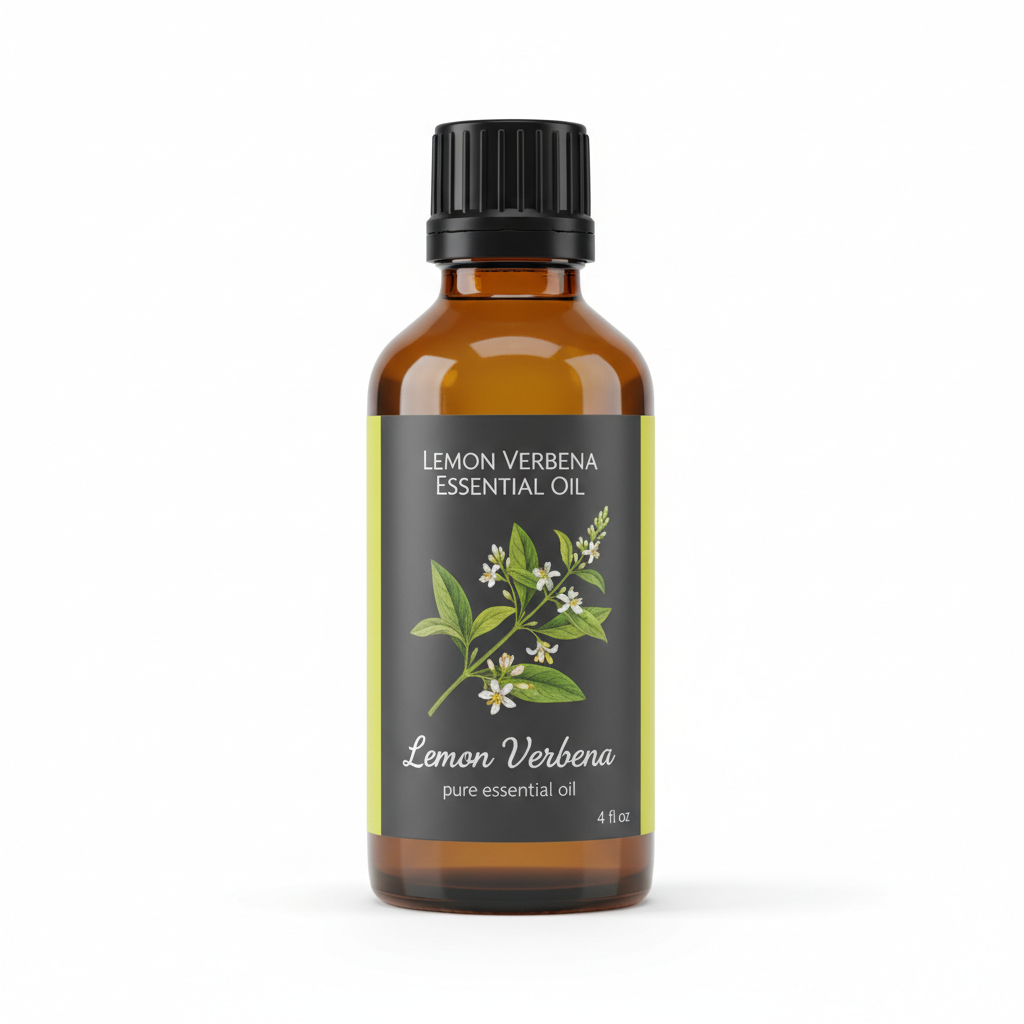
Lemon Verbena Essential Oil
Our own Lemon Verbena Essential Oil, in sizes from 0.5 oz to bulk.
From $12.99
Shop Now →This is the season for it. Spring diffuser blends built around verbena tend to feel lighter on the nose than those anchored by the usual citrus suspects, and summer citrus blends that feature it alongside florals and greens carry a complexity that straight lemon or grapefruit alone rarely achieve. If you have been sitting on a bottle since autumn, now is the moment to open it seriously.
Why Lemon Verbena Belongs to the Warm Seasons
The oil is distilled from Aloysia citrodora, a deciduous shrub that is harvested in full leaf during its growing season. The best distillations happen when the plant is at peak aromatic expression, typically in summer. That botanical timing shows up in the finished oil: it smells of a living plant at its most vital, not of preserved peel or dried herb.
From a blending perspective, the oil contains a meaningful proportion of citral (the compound responsible for its clean lemon character), along with limonene, geraniol, and traces of floral-green supporting notes. These components make it unusually versatile across both spring and summer palettes. It bridges the gap between the grassy freshness of spring and the riper, more solar warmth of midsummer without losing its identity in either direction.
For a deeper look at its full aromatic and chemical profile, the ultimate guide to using and blending lemon verbena oil covers everything from its GC/MS markers to its behavior across different diffuser types.
Spring Diffuser Blends: Green, Watery, and Uplifting
Spring blending is about lightness and optimism in scent. The palette tends toward green top notes, soft florals, and cool-water elements rather than heavy resins or spice. Lemon verbena fits this palette almost immediately, but how you pair it determines whether your blend reads as a spring morning or a summer afternoon.
The Herb Garden Awakening
This is a classic spring diffuser blend. It emphasizes the herbal, slightly grassy register of verbena rather than its full citrus brightness.
- Lemon verbena: 4 drops
- Rosemary (ct. verbenone): 2 drops
- Clary sage: 2 drops
- Spearmint: 1 drop
The rosemary verbenone shares a chemical family with verbena and creates a seamless bridge rather than a contrast. Clary sage adds a gentle softness that keeps the blend from reading as a kitchen herb shelf. Spearmint lifts the whole thing without the sharpness that peppermint would bring.
This blend works well in a bedroom during morning hours or in a home workspace to open the day with focus and a sense of fresh air.
Rain on New Leaves
For a cooler, greener spring blend with a watery quality:
- Lemon verbena: 3 drops
- Violet leaf absolute (or violet leaf CO2): 1 drop
- Bergamot FCF: 3 drops
- Petitgrain: 2 drops
Violet leaf is intensely green and slightly aquatic at low doses. One drop is enough. Bergamot FCF (furocoumarin-free) offers a rounded citrus base that is safe for diffusing around children and in spaces where the diffuser mist might settle on skin. Petitgrain brings a clean, slightly woody citrus note from orange leaves that grounds the blend without weighing it down.
This one suits a living room or entryway. It makes a strong first impression when guests arrive.
Summer Citrus Blends: Solar, Vibrant, and Layered
Summer blending invites more confidence. The palette can handle riper citruses, tropical florals, and even a little resin or wood without becoming oppressive. The verbena summer scent character shifts slightly as you move into these hotter months: the same oil reads drier and more solar when the air is warm, and it pairs differently than it does in cool spring rooms.
The Coastal Veranda
A bright, slightly salty summer citrus blend for outdoor entertaining spaces or a sunroom:
- Lemon verbena: 4 drops
- Pink grapefruit: 3 drops
- Neroli (5% dilution in jojoba): 2 drops
- Amyris: 2 drops
Pink grapefruit reinforces verbena's brightness and adds a slightly bitter edge that reads as sophisticated rather than sharp. Neroli in dilution (use a pre-diluted version unless you are blending commercially and know your ratios) introduces a honeyed floral note that softens the citrus. Amyris, sometimes called West Indian sandalwood, adds a gentle creamy wood base that keeps the blend from evaporating off the nose too quickly.
This blend has good longevity in a nebulizing diffuser. In an ultrasonic diffuser, you may want to add a third drop of amyris.
Midsummer Afternoon
Richer and warmer, suitable for evening use on long summer days:
- Lemon verbena: 3 drops
- Ylang ylang (extra or first distillate): 1 drop
- Litsea cubeba: 3 drops
- Cedarwood (Atlas or Virginia): 2 drops
Ylang ylang is powerful. One drop only, and use a first distillate or extra grade for a cleaner, less medicinal character. Litsea cubeba is a small-fruit oil with a very high citral content that amplifies verbena's lemon note beautifully. Cedar at the base adds warmth without any conifereous pine edge, making the blend feel sun-soaked rather than forested.
This is a good candidate for a diffuser blend during a dinner gathering or on a warm evening when you want the space to feel welcoming without being overpowering.
The Signature Verbena Garden Blend
One blend deserves its own mention because it has become something of a reference point for how lemon verbena behaves at the center of a diffuser composition. The signature verveine garden blend article walks through the development process in detail, including the reasoning behind each component choice and the adjustments needed for different diffuser types. If you want to understand why verbena blends the way it does, rather than just following a recipe, that article is worth reading before you start experimenting.
Practical Seasonal Notes: Diffuser Tips for Warm Months
Citrus-dominant blends behave differently in summer than in winter, and not only because our noses change. Warm air carries scent molecules more efficiently, which means you generally need fewer drops in a heated room than you would in a cool one. Start at two-thirds of your usual drop count and adjust.
Lemon verbena essential oil is also more photosensitive than some other citrus-derived oils, though this matters primarily in topical applications rather than diffusing. If you are moving from diffusing into skin-application territory, note the following safety guidelines:
- Always dilute to 1% or less for leave-on skin applications. That is roughly 5 drops per 30ml (1 oz) of carrier oil.
- Conduct a patch test on the inner forearm and wait 24 hours before broader use.
- Avoid direct sun exposure on skin where you have applied lemon verbena-containing products for at least 12 hours.
- Consult a qualified healthcare provider before use during pregnancy, for young children, or if you have any skin sensitivities.
For diffusing alone, standard safe-diffusing practices apply: 30 to 60 minutes on, then a break. Keep the room ventilated. Do not diffuse heavily around pets, particularly cats and small birds.
Sourcing for the Season: Why Fresh Stock Matters
Lemon verbena essential oil is not a commodity. It is produced in relatively small quantities, primarily in France, Morocco, and parts of South America, and quality varies significantly between suppliers. The citral content, which determines much of the oil's aromatic character, degrades with age and improper storage. An oil that has been sitting in a warm warehouse since last summer will smell flatter and less faceted than one from a recent harvest.
This is worth thinking about as you stock up for the warm months. If your current bottle smells muted or one-dimensional on the strip, it may have oxidized. Oxidized citrus oils can also become more likely to cause skin sensitivity, which is another reason to use fresh stock for any topical projects.
For context on what good sourcing looks like from the production side, the small grower's lemon verbena harvest case study documents one producer's process from field to distillation. It offers a useful reference point when you are evaluating suppliers and trying to understand what you are actually buying.
One Last Blend: The Weekend Ritual
Before the full heat of summer arrives, there is a narrow window in late spring when the evenings are still cool but the days carry genuine warmth. This blend is suited to exactly that in-between time. It works for a Saturday morning when you want the house to smell alive and expectant, without committing to full summer mode.
- Lemon verbena: 4 drops
- Lavender (high-altitude, fine): 3 drops
- Lemon myrtle: 2 drops
- Frankincense (carterii or serrata): 1 drop
Lavender grounds the verbena without taking over. Lemon myrtle, an Australian botanical with very high citral content, doubles down on the bright lemon note in a way that creates depth rather than redundancy. The single drop of frankincense is there mostly to add just enough resinous weight to keep the blend from floating away entirely. It is subtle. You may not consciously identify it, but you will notice when you leave it out.
Keep a record of what you blend and when. Seasonal preferences shift year to year, and you will want to return to the combinations that worked. Lemon verbena is generous in the diffuser, but like any botanical of real character, it rewards attention.