Case Study: A Small Grower's Lemon Verbena Harvest and Distillation
Most bottles of lemon verbena essential oil arrive on shelves with little context. A label, a country of origin, perhaps a batch number. What rarely travels with the oil is the story of the soil it grew in, the morning it was cut, or the hours the distiller spent coaxing fragrance from leaf and stem. This verbena case study follows one small-scale producer through a single season's lemon verbena harvest and artisan distillation, documenting the decisions made, the challenges encountered, and what the finished oil actually looked and smelled like.
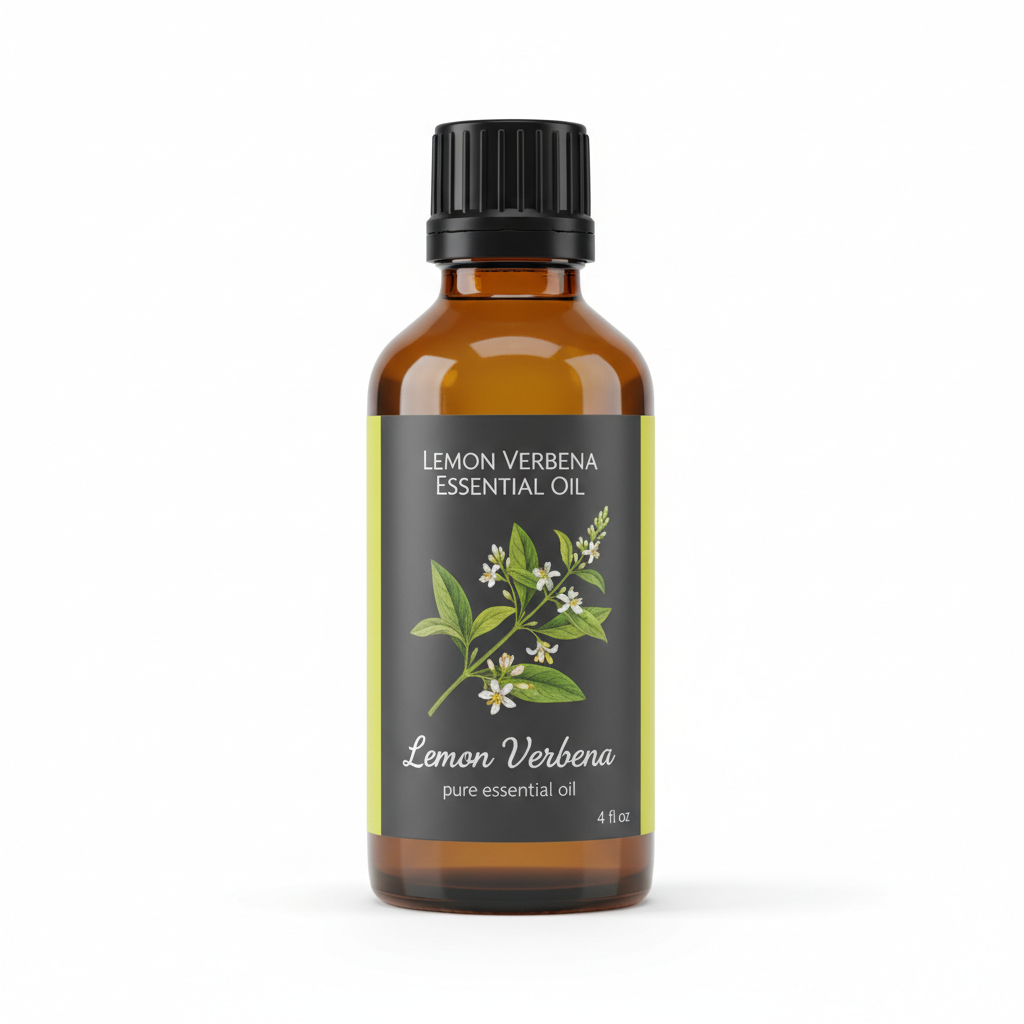
Lemon Verbena Essential Oil
Our own Lemon Verbena Essential Oil, in sizes from 0.5 oz to bulk.
From $12.99
Shop Now →The grower in this account, a family operation in southern Portugal with roughly two hectares planted to Aloysia citrodora, agreed to share their process in detail over the course of one harvest season. Their goal was not unusual: produce a high-citral oil with strong aromatic presence, minimal adulteration risk, and a yield that would justify the considerable labour involved. What made their situation instructive was that they were scaling up for the first time, moving from a 100-litre copper alembic to a 300-litre stainless-steel unit, and navigating that transition without losing the character their regular buyers had come to expect.
Context: Why Lemon Verbena Is Difficult to Grow for Oil
Aloysia citrodora is native to South America and has been cultivated in Mediterranean Europe since the eighteenth century, primarily for fragrance and culinary use. Growing it for essential oil extraction, however, presents particular challenges that growers of lavender or rosemary rarely face in the same degree.
First, the oil yield is exceptionally low. While lavender might return 1.5 to 2 percent oil by weight of fresh plant material, lemon verbena typically yields between 0.03 and 0.15 percent. A grower needs to process a substantial volume of biomass to fill even a small flask. Second, the citral content (the compound responsible for the sharp, intensely lemony scent) degrades quickly once the plant is cut. Timing the harvest to the hour matters. Third, the plant is frost-sensitive and requires management through winter dormancy, which limits cultivation zones and increases seasonal risk.
For this particular farm, a late-summer drought had stressed the plants in the weeks before harvest. The grower was uncertain whether stress would concentrate the aromatic compounds or damage overall yield. Both outcomes, as the literature suggests, are possible depending on severity.
Approach: Harvest Timing and Method
The decision on when to cut came down to three factors: flowering stage, time of day, and weather forecast. Research into Aloysia citrodora production generally suggests that oil content peaks just before or at the onset of flowering, when the plant is directing energy toward reproduction rather than vegetative growth. The grower scheduled harvest for early August, targeting plants showing flower buds but not yet in full bloom.
Cutting began before sunrise. The reasoning was practical: morning temperatures slow the volatilisation of the lighter aromatic molecules, particularly the top notes that give lemon verbena its characteristic brightness. By mid-morning, as the sun warmed the cut material, the crew was already loading the first batches.
Harvesting was done by hand with shears rather than mechanical cutting. The grower's view was that mechanical harvesting bruises stems unevenly and introduces more woody material, which adds mass without contributing meaningfully to oil yield. Hand cutting allowed the crew to take the top two-thirds of each stem, leaving a productive base for regrowth later in the season.
The harvested material was loaded loosely into ventilated crates and transported directly to the distillery on the farm. The grower had a firm rule: no more than four hours between cutting and loading into the still. In previous seasons, material left overnight had produced noticeably flatter oil with lower citral readings on GC analysis.
The Artisan Distillation Process
This was the season's major variable. The new 300-litre unit was steam-distillation configured, fed by a dedicated boiler rather than the direct-fire method used with the old copper alembic. The shift mattered for several reasons.
Direct-fire distillation, particularly in copper vessels, can impart a slight warmth or roundness to the oil through the action of copper on sulphur compounds. Steam distillation through stainless steel is generally considered cleaner and more neutral, which some buyers prefer and others find less interesting. The grower's concern was that longtime customers who associated the farm's oil with a particular complexity might notice a difference.
The first run used fresh plant material packed relatively loosely into the chamber. Steam pressure was kept low and consistent, at approximately 0.5 bar, to avoid the high-heat degradation of delicate monoterpenes. Distillation time ran to about ninety minutes, with the bulk of the oil coming through in the first forty-five minutes.
The Florentine flask (the separator used to collect oil from the condensed water) was monitored closely throughout. Lemon verbena oil is lighter than water, so it floats and can be drawn off continuously. The hydrosol collected alongside it carried a softer, slightly greener version of the same scent and was retained for separate sale.
Yield Observations
The first batch processed approximately 180 kilograms of fresh plant material and returned just under 180 millilitres of essential oil. That represents a yield of roughly 0.10 percent by fresh weight, sitting in the mid-to-upper range for the species. Given the drought stress the plants had experienced, the grower considered this a reasonable result, though not exceptional.
Subsequent batches through the same day ran slightly lower yields, which the grower attributed to the inevitable inclusion of more mature and woody material as harvesting moved from the best-positioned plants outward. Yield consistency across a harvest day is a known challenge in artisan distillation: the first cuts from the most vigorous plants rarely represent the whole field.
Sensory and Analytical Outcomes
Before any oil left the farm, the grower submitted samples from three separate batches to an independent laboratory for gas chromatography and mass spectrometry analysis. The results confirmed a citral content (combining geranial and neral isomers) of between 32 and 38 percent across the batches, with limonene, linalool, and geraniol present in supporting proportions. These figures align with what is generally reported for quality Portuguese-origin lemon verbena oil.
Sensory evaluation, conducted by the grower and two experienced buyers who visited the farm, produced consistent notes: sharp, intensely lemony on the opening, with a floral mid-note and a slightly herbaceous dry-down. One buyer described it as "more transparent" than the previous season's oil from the copper still, which matched the grower's expectation given the equipment change.
No synthetic citral was detected in any batch, which was the grower's primary quality concern given how frequently lemon verbena oil on the commercial market is extended with isolated citral or blended with lemongrass oil. If you want to understand how to evaluate and use oils like this one at home, the ultimate guide to using and blending lemon verbena oil covers exactly that, including how to read GC reports as a buyer.
Key Learnings From This Verbena Case Study
Timing Is the Single Highest-Leverage Variable
More than soil preparation, fertilisation strategy, or equipment choice, the grower identified harvest timing as the factor with the greatest impact on oil quality. The four-hour rule (from cut to still) is not a preference. In their experience, it is a quality threshold.
Equipment Transition Requires Communication With Buyers
Moving from copper to stainless changed the oil's character in subtle but detectable ways. The grower addressed this by being transparent with regular buyers before the season, offering samples ahead of purchase decisions, and framing the change as a quality evolution rather than a cost-cutting measure. Honesty about process builds the kind of trust that keeps small producers viable.
Drought Stress Is Not Automatically a Loss
Some research suggests moderate water stress in aromatic plants can encourage the accumulation of secondary metabolites, including volatile compounds, as a defensive response. This season's drought may have contributed to the respectable citral readings, though the grower was careful not to over-interpret a single season's data. Controlled trials would be needed to say anything definitive. One season is one data point.
The Hydrosol Has Commercial Value
An outcome the grower had not fully anticipated was strong buyer interest in the lemon verbena hydrosol produced alongside the oil. The aromatic water carries a softer, more nuanced version of the scent profile and has found a ready market among formulators working on face mists and room sprays. For a small producer, capturing this secondary stream meaningfully improves the economics of each distillation run.
What This Means for Buyers of Artisan Lemon Verbena Oil
For anyone sourcing lemon verbena essential oil for home use or small-batch formulation, this case study illustrates something worth holding onto: quality at this level is the product of dozens of small, careful decisions made across months. The difference between a flat, commercially extended oil and one with genuine aromatic presence is usually traceable to choices made in the field and at the still, not just at the laboratory.
When you bring an oil like this into your diffuser, you are working with the product of that particular morning, that particular field, those particular plants. If you want inspiration for how to use a genuinely fine lemon verbena oil, the collection of 10 crisp and elegant lemon verbena diffuser blends offers a range of approaches from simple solo diffusion to layered citrus-floral combinations that show off the oil's complexity.
For those interested in body-care applications, a well-sourced lemon verbena oil also lends itself beautifully to skin-safe dilutions in carrier oils. Proper dilution (typically 1 to 2 percent for most skin applications) and a patch test before first use are always advisable. The DIY lemon verbena bath oil guide walks through formulation basics and safety considerations in detail.
A Final Note on Transparency in Artisan Distillation
The grower in this case study operates with a level of openness that is not standard in the essential oil trade. Sharing yield figures, GC results, and process details with buyers is a choice, and it is one that distinguishes genuinely artisan production from the bulk market. As a buyer, asking for these details is reasonable. Producers who have nothing to hide tend to find the question flattering rather than intrusive.
Lemon verbena remains one of the more demanding oils to source with confidence. Its low yield, susceptibility to adulteration, and rapid post-harvest degradation make it a genuine test of a producer's commitment to quality. This season's harvest, for one small Portuguese farm, passed that test. The oil they distilled was what it claimed to be, and the story behind it is one worth knowing.