Lemon Verbena Oil Uses: 15 Refined Ideas for Home and Craft
Lemon verbena essential oil is one of the most sophisticated citruses in the botanical world. Pressed from the leaves of Lippia citriodora, it carries a scent that is sharper, greener, and more complex than lemon peel oil, with a lingering quality that cheaper citrus oils simply cannot match. If you have a bottle and are wondering what to do with it, you are in good company. This is an oil that rewards curiosity.
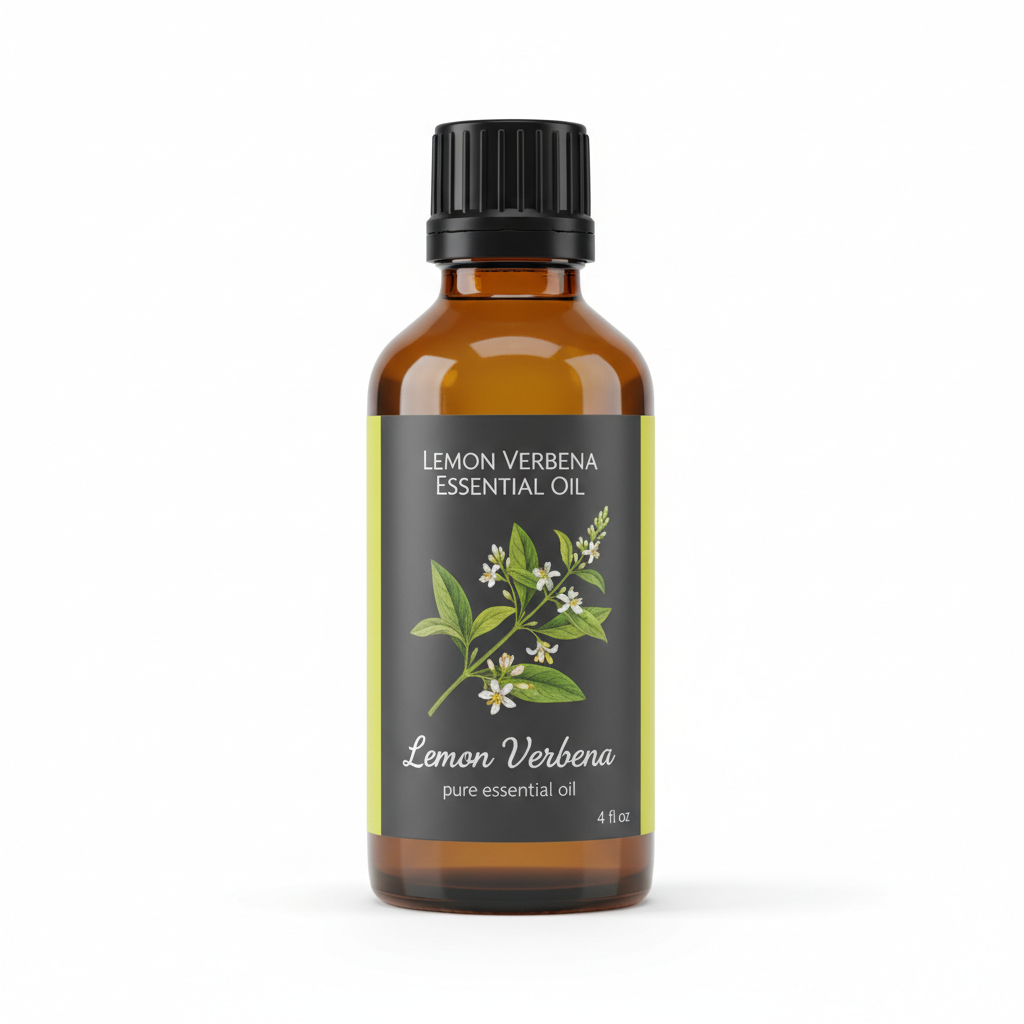
Lemon Verbena Essential Oil
Our own Lemon Verbena Essential Oil, in sizes from 0.5 oz to bulk.
From $12.99
Shop Now →The 15 ideas below focus on home fragrance, personal care crafting, and creative projects. Each one is practical, tested in real kitchens and studios, and designed to help you get genuine value from what is, let's be honest, a costly ingredient. For a grounding overview of where this oil comes from and how it is made, start with our complete guide to lemon verbena essential oil.
Safety note before you begin: Lemon verbena oil is potent. Always dilute it in a carrier oil or appropriate base before any skin contact. A patch test is strongly recommended before wider use. The oil may increase photosensitivity, so avoid sun exposure on skin where it has been applied. Consult a qualified healthcare provider if you are pregnant, nursing, or have any health concerns. See our dedicated guide on dilution, patch testing, and sun safety for full details.
1. Room Diffuser Blend for Evening Wind-Down
Few oils create a calmer evening atmosphere as elegantly as lemon verbena. Add 3 drops to an ultrasonic diffuser alongside 2 drops of cedarwood and 1 drop of clary sage. The citrus note opens bright and then softens as the wood and herb come forward, creating a layered scent that feels genuinely composed rather than single-note.
Running the diffuser for 30 to 45 minutes before you want to settle in is generally enough. Continuous diffusion can desensitize your nose to the scent, and with a premium oil this concentrated, less is consistently more.
Practical takeaway: Pre-mix your drops in a small dark glass bottle so blending your evening routine takes seconds, not minutes.
2. Linen and Pillow Spray
A linen spray is one of the most satisfying lemon verbena oil uses because the scent releases gently every time you move in bed or settle into your chair. Combine 6 drops of lemon verbena oil with 4 drops of lavender in 100ml of distilled water with a teaspoon of high-proof vodka or perfumer's alcohol to help disperse the oils. Shake before each use and mist lightly from about 30 cm away.
The key word is lightly. Oversaturating fabric with essential oils can cause staining, and some delicate textiles are sensitive to alcohol-based sprays. Test on an inconspicuous corner first.
Practical takeaway: Use distilled water, not tap water. Minerals in tap water can interact with the oils and shorten the shelf life of your spray considerably.
3. Handmade Soy Candle Scenting
Lemon verbena's tenacious quality makes it a strong performer in candle making, where many citrus oils fade quickly in hot wax. Use it at a fragrance load of around 6 to 8 percent of your total wax weight. Blending it with a small proportion of litsea cubeba (which shares a similar citral-heavy character) can extend the throw and add warmth.
Add your essential oils at around 55 to 60 degrees Celsius, just before pouring. Higher temperatures accelerate the evaporation of volatile compounds, which means you lose the very top notes that make lemon verbena so distinctive. Stir slowly and pour into pre-warmed vessels to minimize sink holes.
Practical takeaway: Keep a candle-making log. Note your exact fragrance percentages and pour temperatures so you can replicate successful batches without guesswork.
4. Natural Room Sachet for Wardrobes
Sachets made with dried botanicals and a few drops of essential oil have been used for centuries to scent stored linens and woolens. Fill a small muslin bag with dried lavender buds and cedar shavings, then add 4 to 5 drops of lemon verbena oil directly onto a small cotton ball tucked inside. The botanicals act as a slow-release diffuser, and the cotton ball concentrates the oil away from fabric.
Refresh the scent every four to six weeks by adding 2 to 3 more drops to the cotton ball. This keeps the fragrance consistent without the need to replace the entire sachet. Lemon verbena's brightness cuts through the sometimes musty atmosphere of enclosed wardrobes far more effectively than floral alternatives.
Practical takeaway: Keep the cotton ball inside a fold of muslin or tissue, never directly against clothing, to eliminate any risk of oil transfer to fabric.
5. Cold-Process Soap Making
Cold-process soap is a beautiful vehicle for lemon verbena's character, but there is a significant caveat: high pH environments can cause some citrus oils to accelerate trace dramatically, making the batter difficult to work with. Adding lemon verbena at a rate of 3 percent of oils and combining it with litsea cubeba or a fragrance-stable companion can improve behavior in the mold.
The finished soap will have a softer lemon note than the raw oil suggests, because saponification alters some aromatic compounds. Many soap makers describe this as a pleasant, rounded quality. The scent retention is generally good through the setting period, which is one reason lemon verbena ideas often land in the soap category for artisan crafters.
Practical takeaway: Do a small test batch before committing to a full recipe. Cold-process chemistry is variable, and testing at scale saves both oil and materials.
6. Body Scrub Base
A simple sugar or salt scrub becomes something genuinely refined when lemon verbena oil is part of the formula. Combine 200g of fine sea salt or cane sugar with 80ml of sweet almond or jojoba oil, then add 8 to 10 drops of lemon verbena oil. Mix well. Store in a wide-mouth glass jar, not plastic, since essential oils can degrade certain plastics over time.
The ratio of essential oil to carrier here sits comfortably below 1 percent, making it appropriate for rinse-off use on most skin types. For sensitive skin, reduce to 4 to 5 drops. As always, a patch test before first use is good practice. Avoid using on freshly shaved skin or any broken skin.
Practical takeaway: Jojoba is technically a liquid wax and does not oxidize as quickly as many carrier oils, giving your scrub a longer stable shelf life without preservatives.
7. Reed Diffuser Refill
Commercial reed diffuser refills are often built on synthetic fragrance compounds. Making your own with lemon verbena essential oil gives you full transparency over what is diffusing into your home air. Mix 70ml of dipropylene glycol (DPG) or fractionated coconut oil with 30ml of isopropyl alcohol, then add 20 to 25 drops of lemon verbena oil. Pour into your diffuser vessel and insert your reeds.
Flip the reeds every few days for the first week to encourage even saturation, then leave them to work at their own pace. The throw will be gentler than an ultrasonic diffuser, which suits spaces where you want background fragrance rather than an immediate scent statement.
Practical takeaway: Bamboo reeds last four to six weeks before they become too saturated to wick effectively. Replace them when the scent diminishes rather than adding more oil to an exhausted set.
8. Perfume Roll-On
Lemon verbena sits beautifully in the top-note position of a personal fragrance. Fill a 10ml roller bottle with jojoba oil as your carrier, then build a simple accord: 8 drops lemon verbena (top), 5 drops bergamot (top to mid), 4 drops sandalwood (base). Shake gently and allow the blend to rest for 48 hours before evaluating the fully integrated scent.
The dilution here is approximately 1.7 percent, well within the recommended range for leave-on skin application. However, because both lemon verbena and bergamot may increase photosensitivity, apply only to areas not exposed to direct sunlight. The wrists and behind the knees are popular application points for exactly this reason.
Practical takeaway: Label your roller with the exact formula and date. Oils oxidize at different rates, and a labeled bottle helps you know when a formula is worth revisiting and when to start fresh.
9. Scented Beeswax Wrap Infusion
Beeswax wraps have become a popular alternative to plastic food wrap, and adding lemon verbena to the wax phase gives the finished product a fresh, clean scent that works particularly well in kitchen contexts. Melt a blend of beeswax, pine resin, and jojoba in a double boiler, then remove from heat and add 10 to 15 drops of lemon verbena oil per 100g of the wax blend before brushing onto fabric.
It is important to note that this is a scent application for the wrap itself. The amount of oil that would transfer to food is negligible and the wraps should not be used at high temperatures in any case. The scent serves an atmospheric function in the kitchen, not a food-flavoring one.
Practical takeaway: Work quickly once you add the essential oils to the melted wax, as the volatile compounds will begin to evaporate once you open the bottle near heat.
10. Ceramic Diffuser Jewelry
Unglazed ceramic pendants and bracelets are designed to absorb and slowly release essential oils throughout the day. Apply 1 to 2 drops of lemon verbena oil to the ceramic surface and allow it to absorb for a minute before wearing. The fragrance will typically last 3 to 5 hours, with the brightness of the citrus note fading first and a greener, more herbal impression persisting longer.
This is a particularly elegant lemon verbena oil use for those who want personal fragrance without alcohol-based perfumes. The oil never contacts skin directly in this format, which removes the dilution and photosensitivity considerations that apply to leave-on skin products.
Practical takeaway: Keep your diffuser jewelry pieces separate from other jewelry in storage. The oils can transfer and may affect metal finishes over time.
11. Botanical Ink for Journaling
This is a more experimental idea, but one that has a devoted following among botanical crafters. A small amount of lemon verbena oil added to soy-based or water-based stamp ink creates a scented ink suitable for journaling, card making, and paper crafts. The scent is released again each time the paper is handled, creating a sensory dimension that mass-produced papers cannot offer.
Use sparingly: 2 drops per 10ml of ink is sufficient. Too much oil will affect the ink's ability to bind to paper properly. Test on scrap paper before working on anything precious.
Practical takeaway: Store your scented ink in a dark glass bottle with a tight lid. Light and air are the enemies of both the fragrance and the ink pigment.
12. Aromatherapy Car Diffuser
Wooden car diffuser clips or felt pads that attach to air vents are a practical and cost-effective way to bring lemon verbena oil uses into daily commuting. Apply 3 to 4 drops to the diffuser pad, clip it to your vent, and the air flow does the rest. The scent is subtle rather than overwhelming, which is exactly right for an enclosed vehicle.
Refresh every 3 to 4 days. This format also allows you to shift scents seasonally or by mood without any equipment investment. Lemon verbena in spring and summer, perhaps shifting to something spicier in autumn and winter, is a simple way to mark the passing of the year through scent.
Practical takeaway: Felt pads are reusable. A quick wash in warm water, fully dried before the next use, extends their life significantly.
13. Homemade Drawer Liner Paper
Plain kraft paper or recycled wrapping paper can be transformed into scented drawer liners with a simple method. Dilute 15 drops of lemon verbena oil in 50ml of distilled water with a small amount of alcohol to help disperse, then lightly mist the back of cut paper panels. Allow them to dry completely (at least 12 hours) before placing in drawers.
The result is a persistent, low-level fragrance in clothing and accessory drawers that subtly scents items stored there. The effect is gentle and far more sophisticated than commercial scented paper products, most of which rely on synthetic fragrance compounds.
Practical takeaway: Replace the liners every two to three months, or refresh by removing them, misting lightly, and allowing them to dry before replacing.
14. Scented Modeling Clay for Craft Projects
Air-dry modeling clay can be scented during the kneading phase by adding a small number of drops of essential oil. For every 200g of clay, 5 to 6 drops of lemon verbena is sufficient. The scent persists in the dried clay and is released whenever the finished object is handled or warmed slightly. This makes for charming handmade gifts: small decorative bowls, coasters, or ornaments that carry a botanical signature.
This particular lemon verbena idea is popular in small-batch craft production. The finished pieces photograph beautifully and carry a genuinely distinctive quality that sets them apart from mass-produced alternatives. The scent note is a selling point in itself.
Practical takeaway: Wear nitrile gloves when kneading essential oils into clay. Extended skin contact during the kneading phase can exceed safe dilution levels.
15. Scented Wax Melts
Wax melts are a flame-free way to scent a room, and they perform well with lemon verbena because the gentle, indirect heat releases the oil's volatile compounds slowly. Use a blend of soy and coconut wax for good scent throw and scent at 8 to 10 percent of wax weight. Pour into silicone molds at around 55 degrees Celsius, adding the oil just before this point.
The lemon verbena oil benefits in this context are purely olfactory: a clean, persistent fragrance that reads as genuinely botanical rather than synthetic. Pair with a small percentage of vetiver or frankincense in the blend if you want something that leans more complex and less overtly citrus. The citrus backbone remains but is grounded by the base notes in a way that makes the blend feel more intentional.
Because lemon verbena is among the more costly citrus oils, understanding how to store it correctly will protect your investment and ensure your wax melt batches are consistently fragrant. Oxidized oil produces noticeably less satisfying results in all wax applications.
Practical takeaway: Batch your wax melt making and store finished melts in a sealed container away from light. The fragrance will be well-preserved for up to six months with proper storage.
A Note on Quality and Sourcing
Every idea on this list depends on starting with a genuine, high-quality lemon verbena essential oil. The market for this oil is complicated by adulteration: cheaper oils are often extended with lemongrass or synthetic citral, which produce a cruder, harsher scent. Look for oils that specify Lippia citriodora as the botanical source, list their country of origin (Spain, Morocco, and France are respected sources), and are accompanied by a gas chromatography report.
An authentic lemon verbena oil will have a scent that is luminous and multi-layered on first opening, with a clean, green drydown that lingers pleasantly. If your bottle smells flat, metallic, or aggressively sharp, it is worth investigating the source before investing more of it in any craft project.
Used thoughtfully, lemon verbena essential oil brings a refinement to home and craft projects that is genuinely hard to replicate with other ingredients. These 15 starting points are exactly that: starting points. The oil rewards experimentation, and the best lemon verbena ideas are often the ones you develop yourself over time.