Lemon Verbena Oil Around Cats and Dogs: What Sources Say
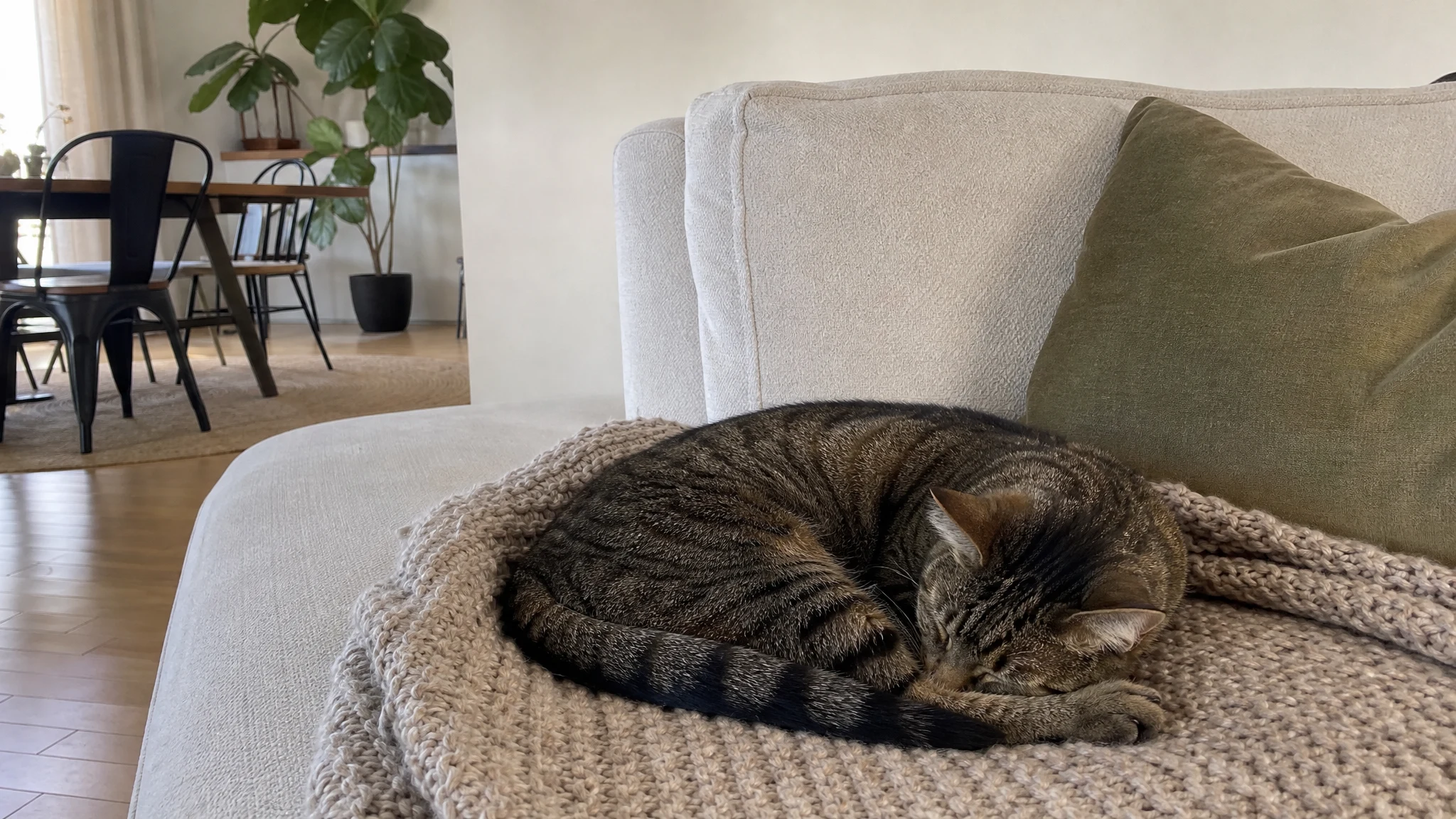
We do not call lemon verbena oil safe for cats or dogs, and no veterinary source we read does either. What exists is a plant entry from the ASPCA that lists the plant as toxic to both species, and a veterinary manual chapter on essential oils in general that says cats are more sensitive than dogs. If your pet has been exposed, call a veterinarian or a poison line now rather than reading on.
Lemon Verbena Essential Oil
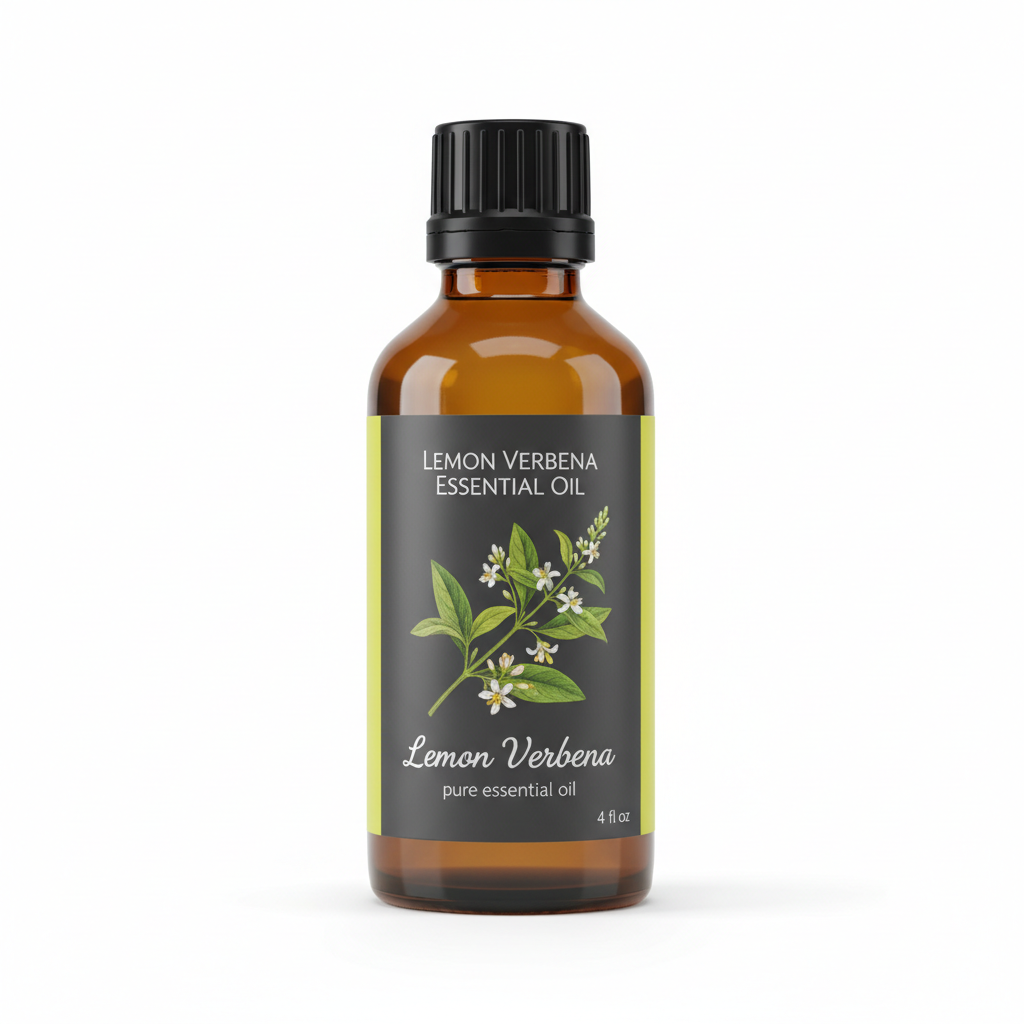
Our own Lemon Verbena Essential Oil, in sizes from 0.5 oz to bulk.
From $12.99
Shop Now →Start with the difference between the plant and the oil
Most pet-safety pages blur two things, so keep them apart. The plant is lemon verbena, Aloysia citrodora (also written Aloysia triphylla or Lippia citriodora). Our product is an essential oil steam-distilled from its leaves and sold neat. The ASPCA entry is about the plant a pet might chew; the veterinary manual chapter is about concentrated oils applied, diffused or swallowed. Neither one tested our oil.
What does the ASPCA say about the plant?
The ASPCA toxic plant entry for lemon verbena (Aloysia triphylla, family Verbenaceae) lists it as toxic to dogs, cats and horses. It gives the toxic principle as essential oils and the clinical signs as stomach upset and colic. It adds that small amounts used in cooking or as a flavouring are not a concern, and it gives no dose, onset time or treatment. It advises calling ASPCA Poison Control on (888) 426-4435 or a local veterinarian, and notes that a consultation fee may apply. Number and fee as published on the page on 27 October 2026; check the page for the current number.
Two things follow, one stated and one inferred. Stated: the ASPCA treats the oils inside the plant as the cause of the problem. Inferred (this is our reasoning, not the ASPCA's): if the source of toxicity is the oil, a bottle of the oil concentrates the part that the ASPCA names, so a pet that licks or swallows it is not in the same category as a pet that nibbles a leaf. The ASPCA page for lemon (Citrus limonia) lists dogs and cats as affected too, names essential oils and psoralens as the toxic principles, and gives vomiting, diarrhoea, depression and possible dermatitis. That is a different plant and we make no claim that lemon verbena shares its psoralens.
Why are cats singled out?
The Merck Veterinary Manual chapter on essential oil toxicosis (full review March 2025, written by a veterinarian at Pet Poison Helpline with a board-certified veterinary toxicologist as peer reviewer) says cats are more sensitive than dogs because they are deficient in the enzyme glucuronyl transferase, which makes them "very sensitive to phenol and phenolic compounds, which some oils contain." It adds that grooming puts cats at extra risk from both skin and oral exposure, since oil on fur is licked off. Dogs, it says, are still at risk.
The limit of that source is important. The chapter does not mention citrus oils, d-limonene or linalool by name, and it gives no toxic doses or concentration thresholds. The enzyme explanation is documented for phenolic compounds. What it implies for the terpenes and aldehydes in lemon verbena oil (such as limonene, or citral, which is neral plus geranial) is not stated there, and no source read for this article states it. So "cats cannot process essential oils" overstates the document. The accurate version is: cats are more sensitive in general, the mechanism is established for phenolics, and for this specific oil nobody has published a pet threshold.
What does the same chapter say about routes?
Per the chapter, essential oils are "readily and rapidly absorbed through the GI tract, skin, lungs, and mucous membranes", signs develop "within minutes to hours from all routes", and "concentrated essential oils should never be directly applied to pets." Reported signs after ingestion or skin contact include vomiting, lethargy, drooling, unsteadiness and loss of appetite; inhalation signs include watery eyes, nasal discharge, coughing, wheezing and laboured breathing. It also lists animals at greater risk from inhalation: birds, and animals with feline asthma, airborne allergies or chronic bronchitis.
House rules, by situation
These are recommendations built from the sources above; none has been tested by us.
If you diffuse
The Merck chapter separates passive diffusers (reeds, candles), where the main hazard is irritation unless tipped over, from active ones (nebulizing and ultrasonic) that emit microdroplets which "pose an extra risk beyond inhalation exposure, especially for cats and birds" because droplets can settle on fur or feathers and be swallowed during grooming. Its owner guidance is to keep pets out of the room while a diffuser runs, ventilate afterwards, and run it for short periods, under 30 minutes. A chamber study of an ultrasonic unit (Schwartz-Narbonne, Du and Siegel, Indoor Air, 2021) measured 2.6 mg of d-limonene released from lemon oil over 15 minutes, and found tap water raised fine particle output about fivefold compared with deionised water for eucalyptus oil. It used a different oil and no animals, so it shows only that these devices release measurable amounts of vapour and particles. Our diffusing guide sets out the full routine. For a cat's home, our view: choose a room the cat can leave, with the door open and a window ajar, and never run a unit in a closed room with a pet shut inside.
If you apply it
Do not put lemon verbena oil on a pet, diluted or not, as a flea product, a fragrance or a calming aid. The Merck chapter warns against concentrated oils on pets and does not offer a safe dilution. Also watch indirect contact: a pet that lies on a blanket or climbs on a lap where you have applied the diluted oil can pick it up and lick it off. If you use the oil on your own skin, our own copy asks for a carrier dilution of 0.5% to 2% and a patch test, which is an adult skin range and not a pet rule; see the skin basics article.
If you store it
Keep the bottle capped, upright and out of reach, as for children. Our site says keep it away from pets. A dropper bottle knocked off a shelf is a spill a dog may lick. Wipe any spill with a cloth and discard it away from the pet.
If you cook or make tea with the leaf
That is a different material from the oil; the ASPCA entry's comment about small culinary amounts concerns the plant. The tea versus oil article covers the difference. Do not give a pet leaf tea or a household cleaner on the grounds that it contains lemon verbena.
If your pet has been exposed
Call your veterinarian or a poison line immediately, with the bottle and the botanical name to hand. Per the ASPCA page the line is (888) 426-4435 (fee may apply). The Merck chapter says emesis should not be induced because of aspiration risk, which is a reason to take instruction from a professional rather than improvise at home. It also lists decontamination by bathing or moving the animal to fresh air as part of veterinary care, but how to do that safely for your pet is for the veterinarian on the phone to say.
For any question about your own animal, a veterinarian is the right professional. We sell a perfumery and craft oil, not pet products, and the sources do not allow us to tell you more than this.
Lemon Verbena Essential Oil
Lemon Verbena Essential Oil from our own shop, in sizes from 0.5 oz to bulk.
From $12.99
Shop Now →Sources & Further Reading
- ASPCA, accessed 27 October 2026. Toxic and Non-Toxic Plants: Lemon Verbena. aspca.org/lemon-verbena
- ASPCA, accessed 27 October 2026. Toxic and Non-Toxic Plants: Lemon. aspca.org/lemon
- Benson K., March 2025. Toxicoses from essential oils in animals. Merck Veterinary Manual, professional version. merckvetmanual.com
- Schwartz-Narbonne H., Du B., Siegel J.A., 2021. Volatile organic compound and particulate matter emissions from an ultrasonic essential oil diffuser. Indoor Air 31(6):1982-1992. doi:10.1111/ina.12845